
Project Background
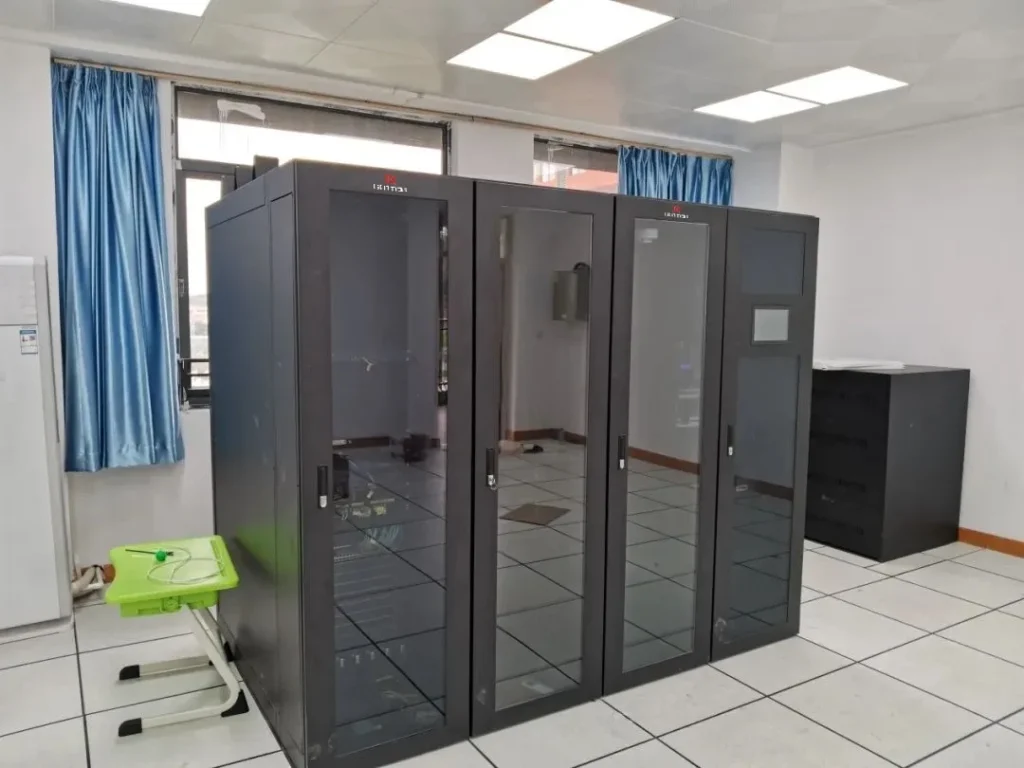
The project was implemented in a secondary school in China as part of its smart campus upgrade initiative.
With the increasing adoption of digital education tools, the school began relying heavily on online teaching platforms, electronic examination systems, video conferencing classrooms, and centralized campus management systems.
However, the existing server room was small, outdated, and lacked proper environmental control. Equipment was arranged in a fragmented manner, cooling efficiency was low, and power protection was insufficient. These issues created risks for system stability, especially during peak usage periods such as exams and remote teaching sessions.
To ensure reliable operation of critical educational systems, the school required a compact, efficient, and scalable data center solution.
Solution
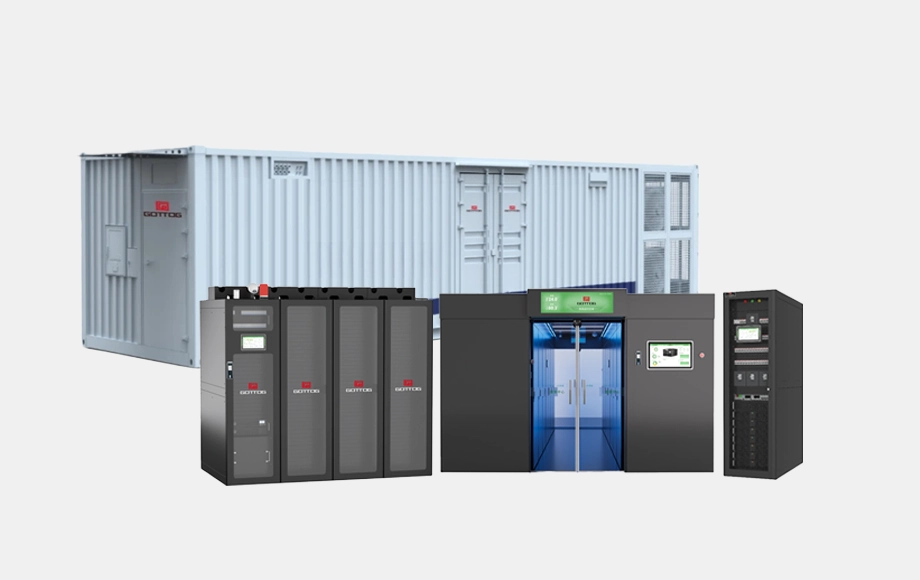
A medium-sized modular data center system was deployed to replace the traditional server room infrastructure.
The solution integrates IT racks, UPS power systems, precision cooling, and monitoring platforms into a unified modular design, enabling a standardized and controlled IT environment within the school campus.
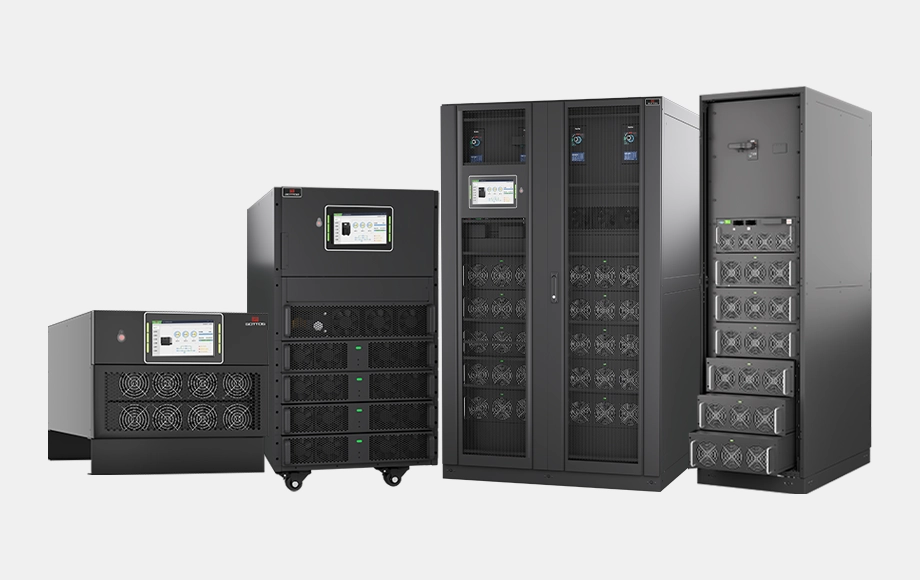
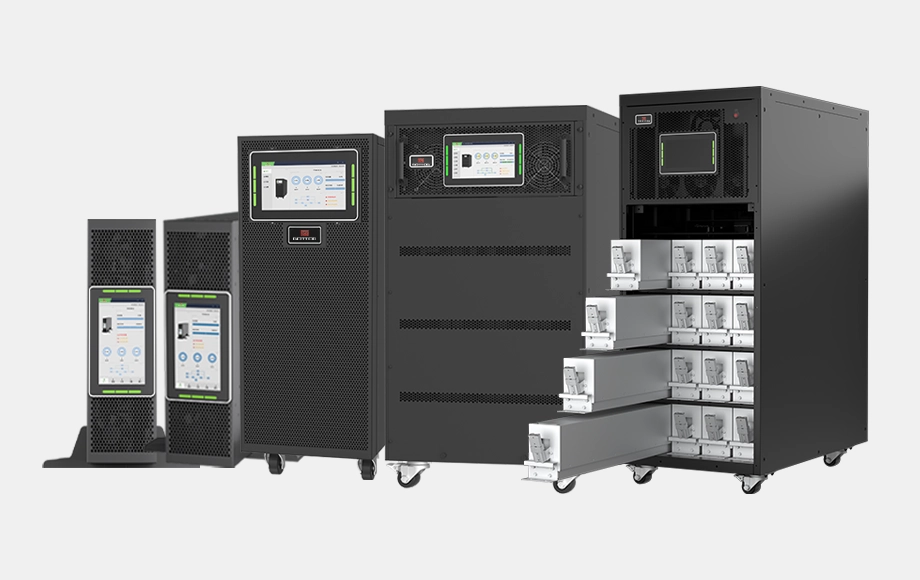
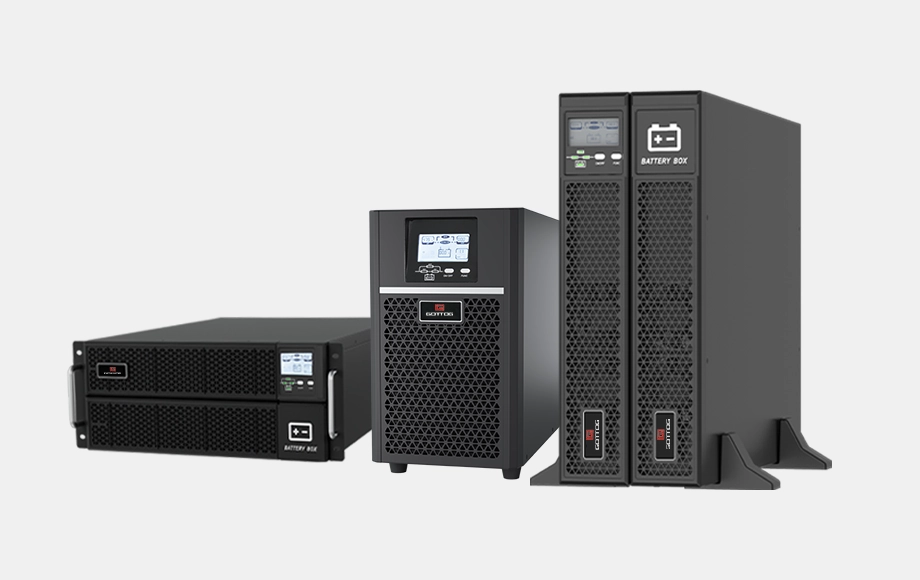
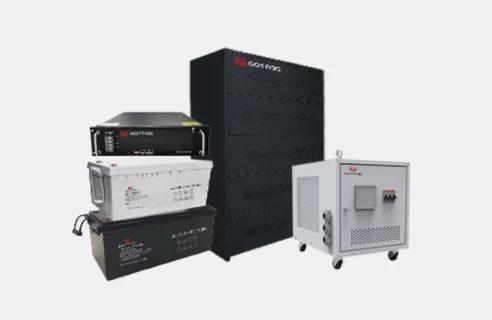
A high-reliability UPS system with battery backup was implemented to ensure continuous power supply for critical applications such as examination platforms and learning management systems.
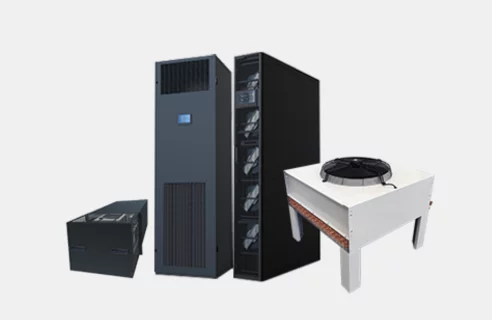
Precision air conditioning with optimized airflow management was adopted to maintain stable temperature and humidity conditions, ensuring safe operation of IT equipment even during high-load periods.
The modular architecture allows future expansion, enabling the school to gradually increase capacity as digital education requirements grow.
Key Advantages
The modular data center significantly improves system stability, ensuring uninterrupted operation of online teaching and examination platforms.
Integrated power and cooling systems enhance environmental control, reducing the risk of overheating and equipment failure.
The compact design fits within limited campus space while maintaining high performance and efficiency.
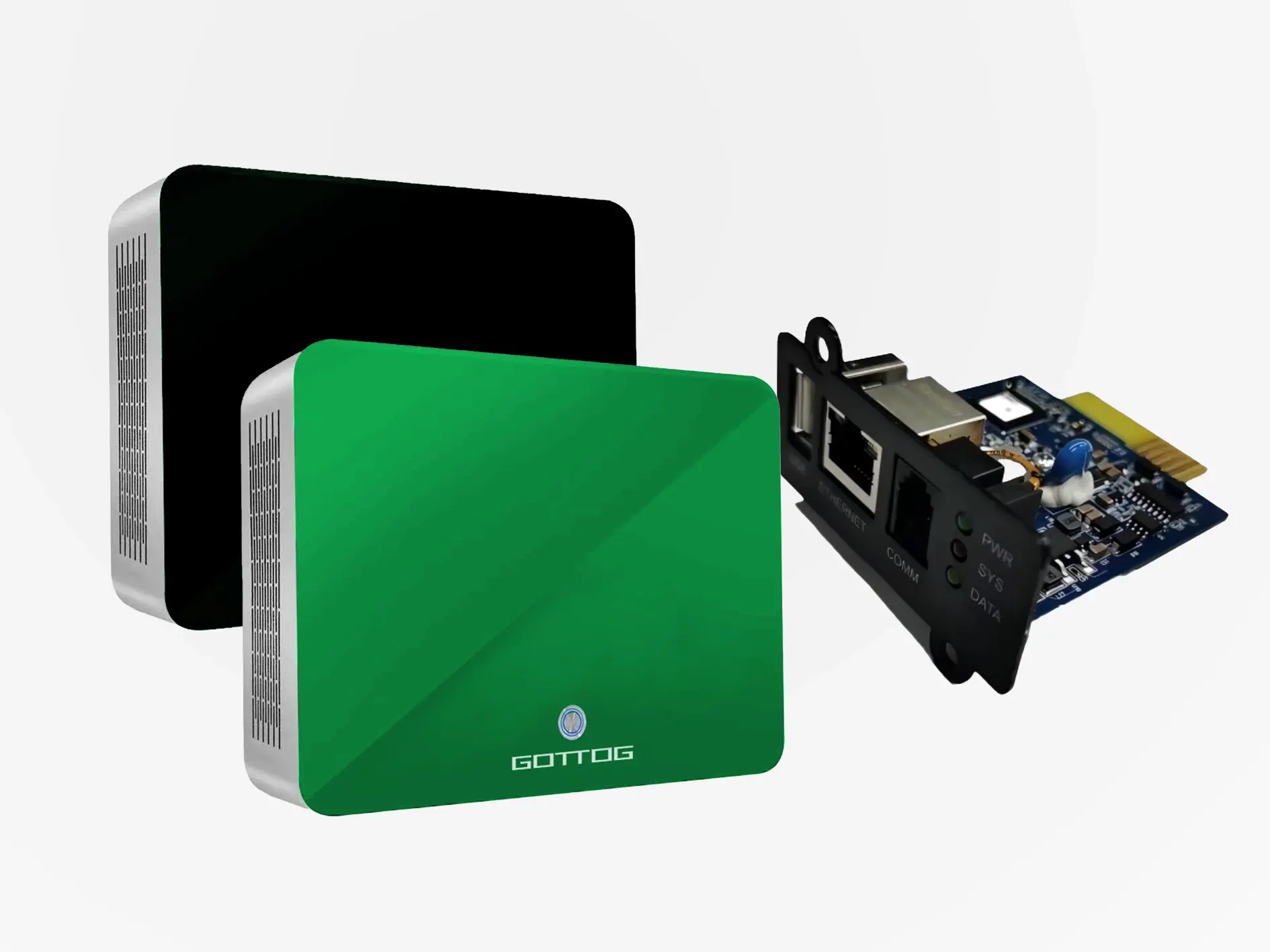
Centralized monitoring enables real-time management of infrastructure, simplifying maintenance and reducing operational workload for school IT staff.
Project Results & Conclusion
After deployment, the school achieved a stable and reliable IT environment capable of supporting all core digital education systems. System downtime was significantly reduced, ensuring the smooth operation of online classes, examinations, and daily campus applications.
With optimized cooling and power management, overall energy efficiency improved, leading to lower long-term operational costs. At the same time, the upgraded IT infrastructure now supports future expansion, enabling the school to adopt more advanced digital learning tools and technologies.
Overall, the implementation of a medium-sized modular data center in this secondary school in China successfully transformed its traditional server room into a modern, scalable digital infrastructure platform. The solution establishes a solid foundation for smart campus development, delivering reliable, efficient, and future-ready support for ongoing education digitalization.