



Table of Contents
The Power Challenge in Edge Computing Environments
Edge computing is transforming digital infrastructure by decentralizing data processing and placing compute resources closer to end users and devices. This shift is driven by the need for ultra-low latency, real-time analytics, and the exponential growth of data generated by IoT, 5G networks, and AI-powered applications. However, unlike traditional hyperscale data centers that operate in controlled environments with robust infrastructure, edge sites are often deployed in remote, space-constrained, or even harsh conditions such as industrial zones, telecom base stations, or outdoor enclosures.
These characteristics introduce significant power-related challenges. Edge facilities frequently face unstable grid conditions, voltage fluctuations, and limited backup capabilities. In such environments, even a brief power interruption can disrupt mission-critical services, leading to data loss, service downtime, and operational inefficiencies. Moreover, many edge sites are unmanned, making rapid on-site maintenance difficult and costly. Therefore, the power protection system must not only be reliable but also intelligent, compact, and easy to manage remotely.
Traditional monolithic UPS systems, designed for centralized data centers, often fall short in addressing these requirements. They are typically oversized for edge deployments, lack flexibility in scaling, and can be inefficient when operating under partial load conditions. As a result, there is a growing demand for a new generation of power solutions specifically tailored to the dynamic and distributed nature of edge computing.
Why Modular UPS is a Natural Fit for Edge Infrastructure
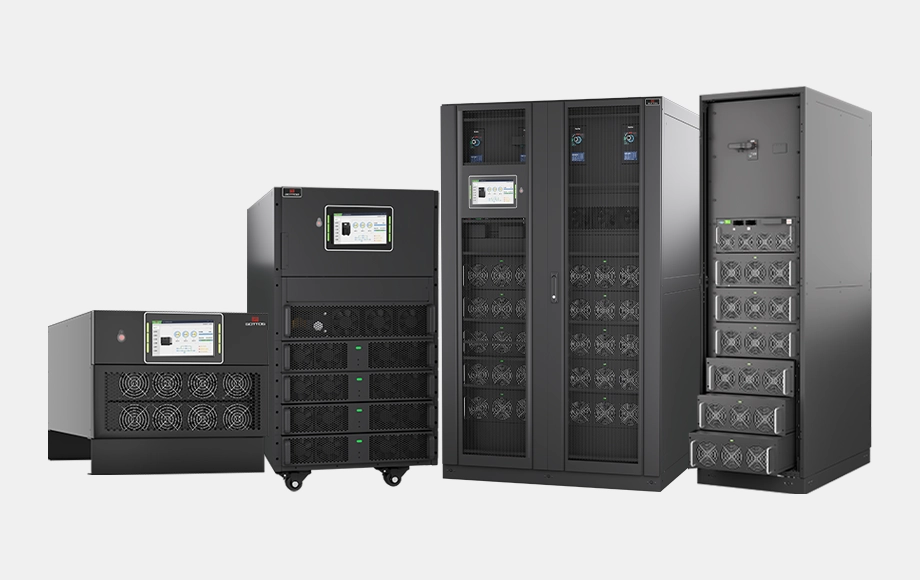
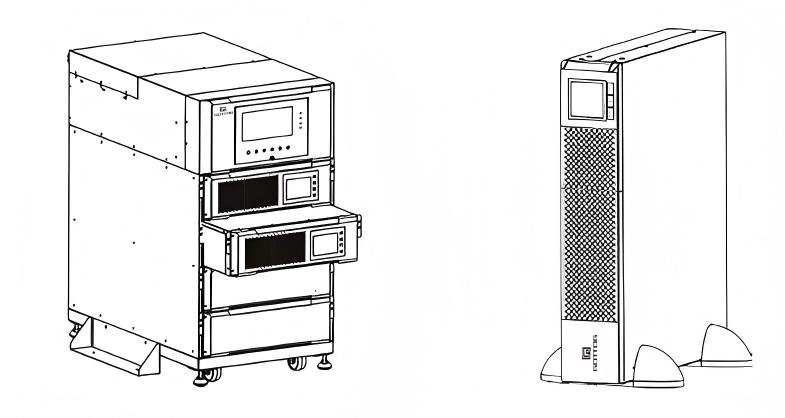
Modular UPS systems are inherently designed to address the limitations of traditional power architectures, making them an ideal choice for edge computing environments. At their core, modular UPS solutions consist of multiple independent power modules that can be added or removed based on actual load requirements. This enables a “pay-as-you-grow” approach, allowing operators to deploy only the necessary capacity initially and expand seamlessly as demand increases.
This scalability is particularly valuable in edge scenarios where workloads are unpredictable and may grow rapidly over time. Instead of overprovisioning capacity from the outset, businesses can optimize capital expenditure while maintaining the flexibility to adapt to future needs. In addition, modular UPS systems maintain high efficiency even at low load levels by dynamically activating or deactivating modules, which significantly reduces energy waste and operating costs.
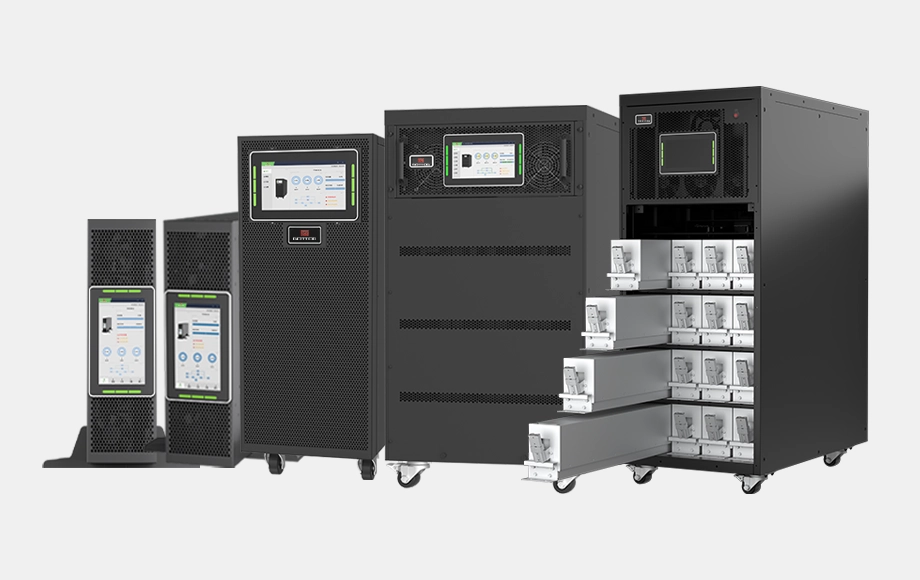
Another critical advantage is the hot-swappable design of power modules. This feature allows maintenance, replacement, or upgrades to be performed without shutting down the entire system, ensuring uninterrupted operation. For edge sites that are geographically dispersed or lack dedicated IT personnel, this capability minimizes downtime and reduces the need for frequent on-site interventions.
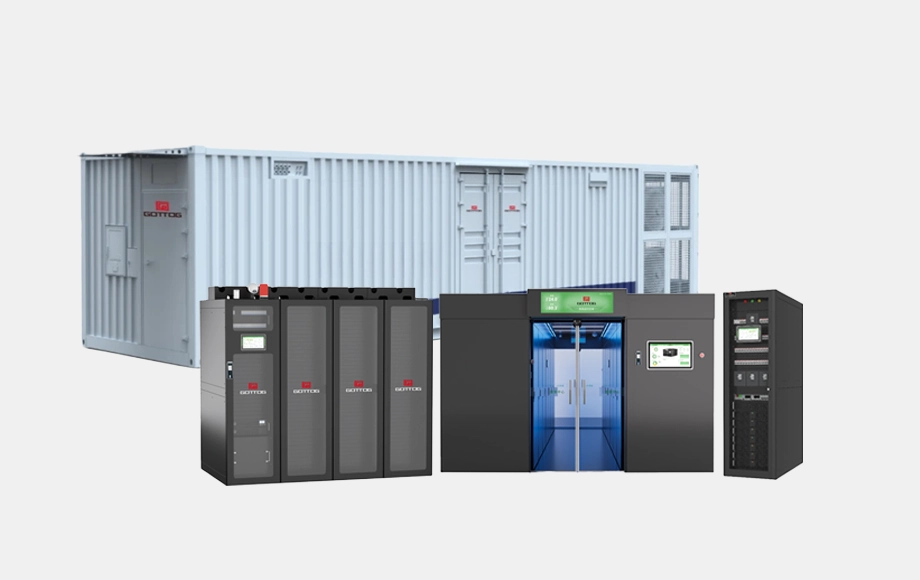
Compactness is also a defining characteristic of modular UPS systems. High power density designs enable significant power capacity within a small physical footprint, making them ideal for micro data centers, network closets, or containerized edge facilities. This is particularly important in urban or industrial environments where space is limited and costly.
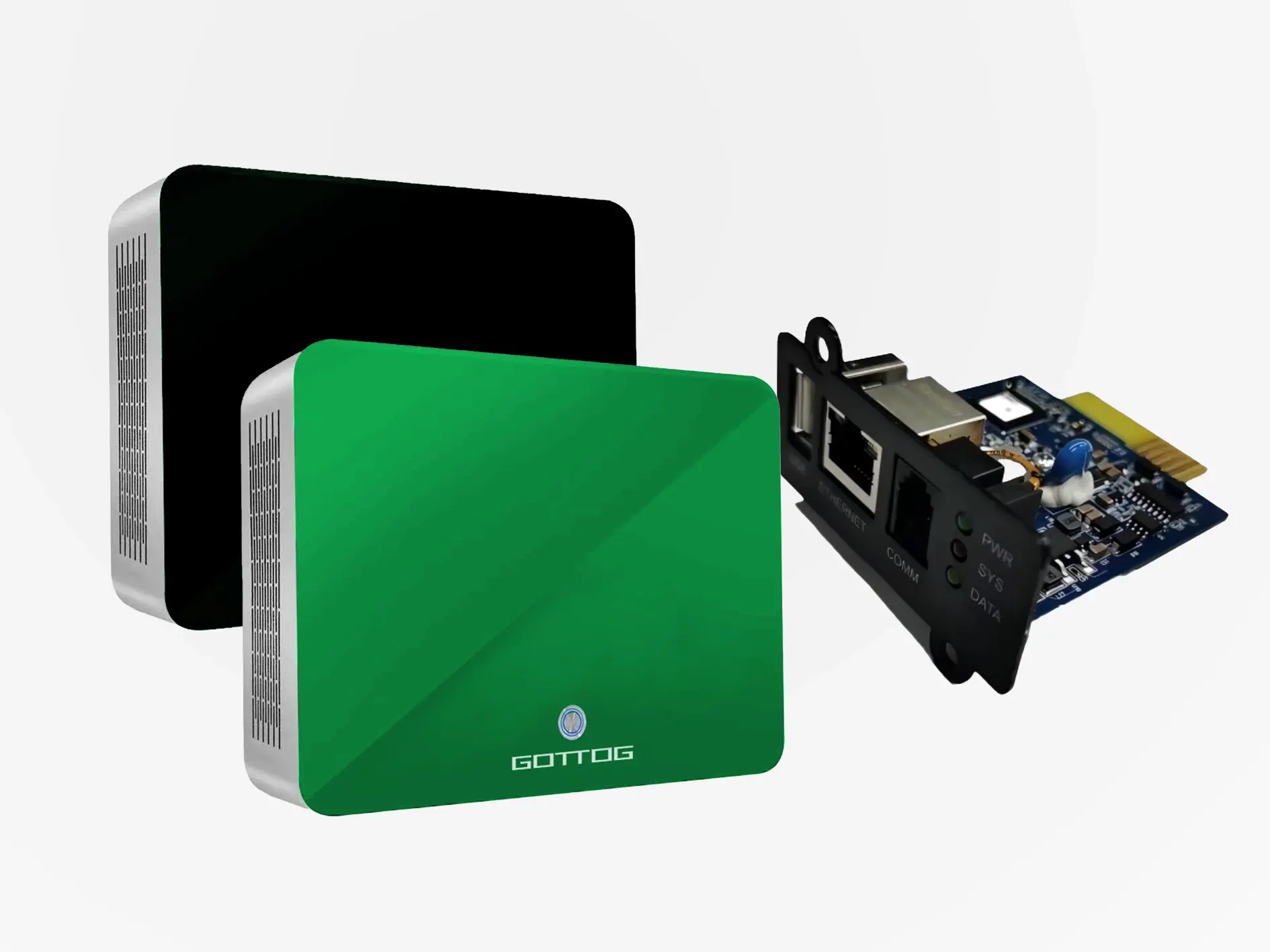
Furthermore, modular UPS systems are typically equipped with advanced digital management platforms. These systems provide real-time monitoring, predictive maintenance, and remote management capabilities, allowing operators to oversee multiple edge sites from a centralized location. This level of visibility and control is essential for maintaining operational continuity across a distributed infrastructure.
Enabling Agility, Efficiency, and Reliability at the Edge
The deployment of modular UPS systems significantly enhances the agility of edge computing infrastructure. With pre-integrated and standardized designs, modular UPS solutions can be easily incorporated into prefabricated or containerized data centers, enabling rapid deployment and reducing installation complexity. This is particularly beneficial for industries that require quick infrastructure rollout, such as telecommunications, smart cities, and content delivery networks.
In terms of reliability, modular UPS systems support various redundancy configurations, such as N+1 or N+X, ensuring that backup capacity is always available in case of module failure. This built-in redundancy is crucial for maintaining uptime in edge environments where power disruptions are more frequent and less predictable. By isolating faults at the module level, these systems prevent single points of failure and enhance overall system resilience.
Energy efficiency is another key factor driving the adoption of modular UPS in edge computing. Modern modular systems leverage advanced power electronics and intelligent control algorithms to achieve high efficiency across a wide load range. This not only reduces energy consumption but also lowers heat generation, which in turn decreases the burden on cooling systems—an important consideration in compact edge deployments.
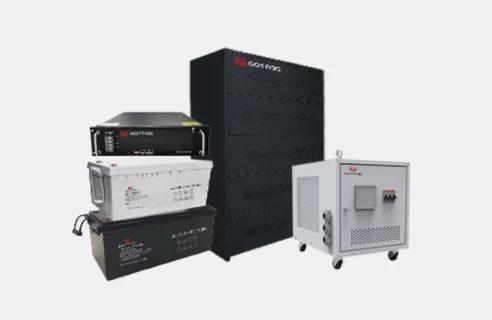
Additionally, modular UPS systems support integration with renewable energy sources and energy storage systems, enabling more sustainable and resilient power architectures. For example, in remote edge locations where grid access is limited, modular UPS can work alongside solar panels and battery storage to provide a stable and continuous power supply.
Supporting the Future of Distributed Digital Infrastructure
As edge computing continues to evolve, the demand for flexible, scalable, and resilient power infrastructure will only increase. Emerging technologies such as autonomous vehicles, augmented reality, and industrial automation rely heavily on real-time data processing at the edge, placing even greater emphasis on power reliability and performance.
Modular UPS systems are well-positioned to support this future by offering a forward-compatible architecture that can adapt to changing requirements. Their ability to scale, integrate with advanced energy systems, and provide intelligent management makes them a foundational component of next-generation edge infrastructure.
In a landscape where downtime is costly and responsiveness is critical, modular UPS is not just a supporting technology—it is a strategic enabler. By ensuring continuous, efficient, and adaptable power protection, modular UPS systems empower organizations to fully leverage the potential of edge computing while maintaining operational stability and cost efficiency.
GOTTOGPOWER delivers high-efficiency modular UPS solutions designed for scalable, distributed infrastructure. Whether you are building micro data centers or expanding edge networks, our systems provide the reliability, flexibility, and performance your business demands.
Contact GOTTOGPOWER today to optimize your edge power strategy.