



Introduction:
As digital transformation accelerates, the demand for scalable, energy-efficient, and fast-to-deploy data center infrastructure is higher than ever. For organizations facing tight deployment schedules, limited space, or unpredictable growth, a Prefabricated Modular Data Center (PMDC) might be the game-changer.
In this article, we’ll explore the advantages and disadvantages of prefabricated modular data centers. Whether you’re an IT leader, infrastructure manager, or enterprise architect, this guide will help you decide if modular is the right fit.
- What Is a Prefabricated Modular Data Center?
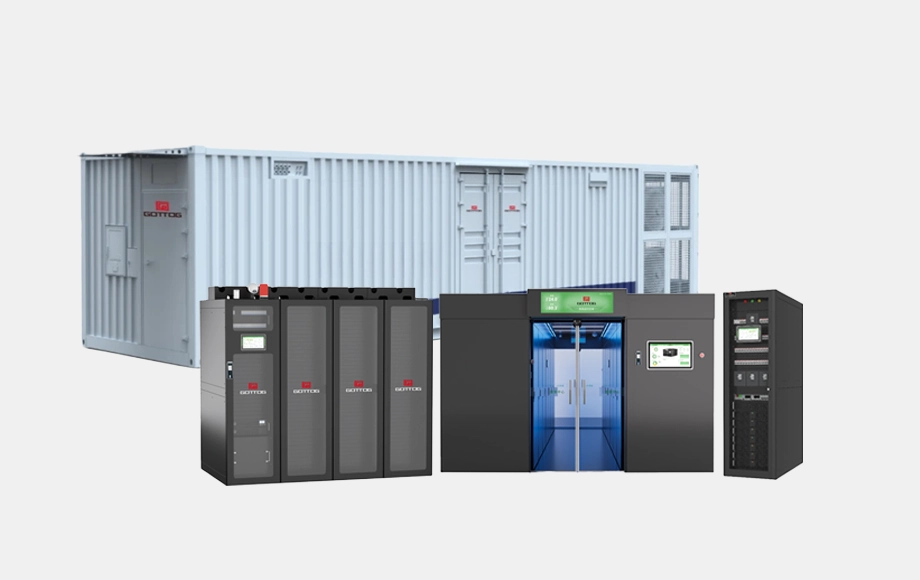
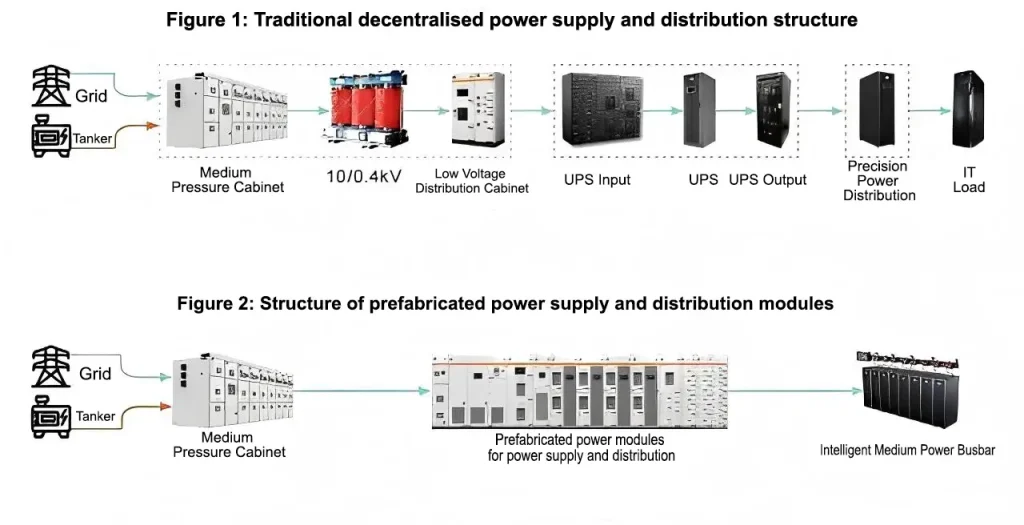
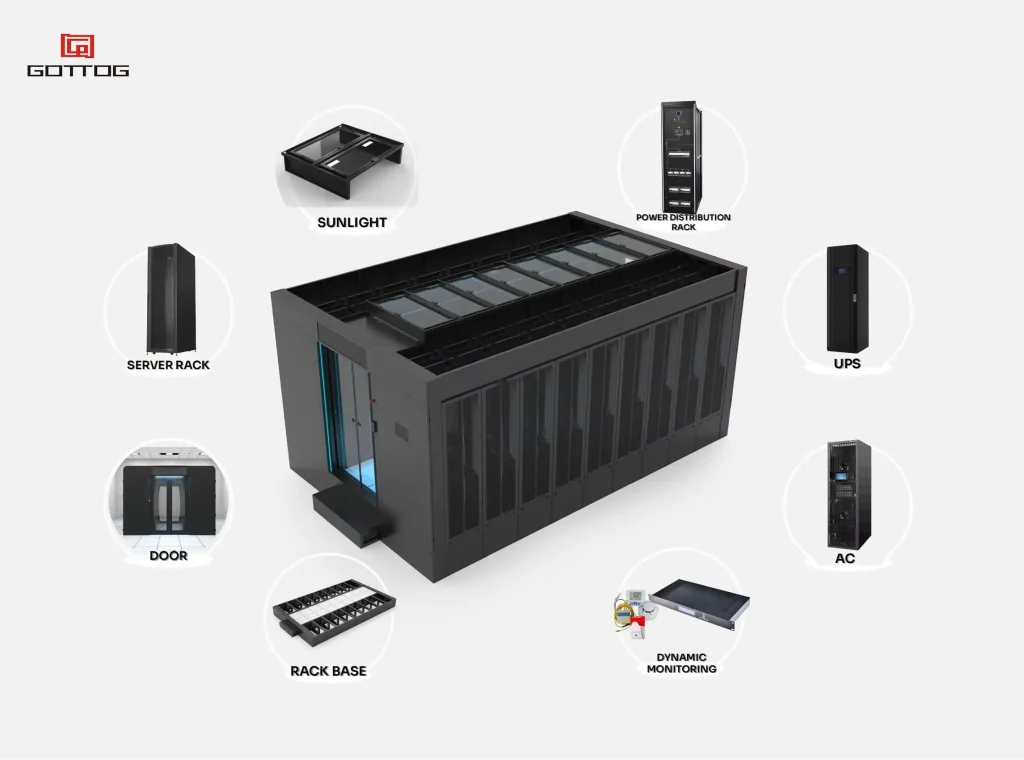
- A prefabricated modular data center is a fully-integrated, pre-engineered solution that includes IT racks, power, cooling, and monitoring systems—built and tested offsite, then delivered as ready-to-deploy modules. Think of them as “plug-and-play” data center blocks, offering a faster and often more cost-predictable alternative to traditional brick-and-mortar facilities.
Key Advantages of Prefabricated Modular Data Centers
- Faster Deployment (Up to 40% Time Savings)
Modular data centers can be delivered and commissioned within a relatively short period of time, compared to 12–24 months for traditional builds. Parallel development of site and modules accelerates go-live. - Predictable Total Cost of Ownership
Despite higher upfront component costs, factory integration reduces labor, logistics, and on-site testing expenses—often resulting in similar or lower total CAPEX. - Improved Energy Efficiency
With optimized design and factory-tested controls, PMDCs deliver lower PUE (Power Usage Effectiveness). Real-world data shows savings of 20% in energy bills versus traditional systems. - Scalability and Flexibility
Deploy modules incrementally, based on real-time demand. Ideal for edge locations, unpredictable growth, and just-in-time capacity planning. - Single-Vendor Accountability
One point of contact for maintenance, upgrades, and troubleshooting reduces vendor coordination issues and speeds up issue resolution.
Key Disadvantages of Modular Data Centers
- Integration with Existing Buildings May Add Cost
Deploying modules with weatherproof enclosures inside an existing facility might result in redundant investments and reduced ROI. - Transport and Sizing Constraints
Transport regulations limit the width and height of modules. Urban deployments may face logistical challenges in narrow streets or rooftops. - Local Regulatory Complexity
Not all municipalities have clear frameworks for modular systems. Approval timelines and permitting requirements may vary widely.
Use Cases: When to Choose Modular
- Fast-track deployments
- Sites with limited space or power/cooling headroom
- emporary or leased facilities
- Disaster recovery sites
- Edge computing / remote operations
- Organizations with idle warehouse or yard space
Conclusion: Is GOTTOGPOWER Modular Right for You?
Prefabricated modular data centers are not a one-size-fits-all solution. But for enterprises needing speed, flexibility, and predictability, they offer a compelling alternative to conventional construction. As more organizations embrace hybrid cloud, AI computing, and edge processing, the case for modular becomes stronger than ever.
If you’re planning a new data center or expanding an existing one, now is the time to consider whether a modular approach aligns with your business goals, timeline, and budget.
📩 Ready to Learn More?
Whether you’re deploying a 1MW site or extending edge capacity in a remote region, our experts can help you evaluate the right modular solution. Contact us for a free consultation.