



AI Workloads Are Redefining Data Center Requirements
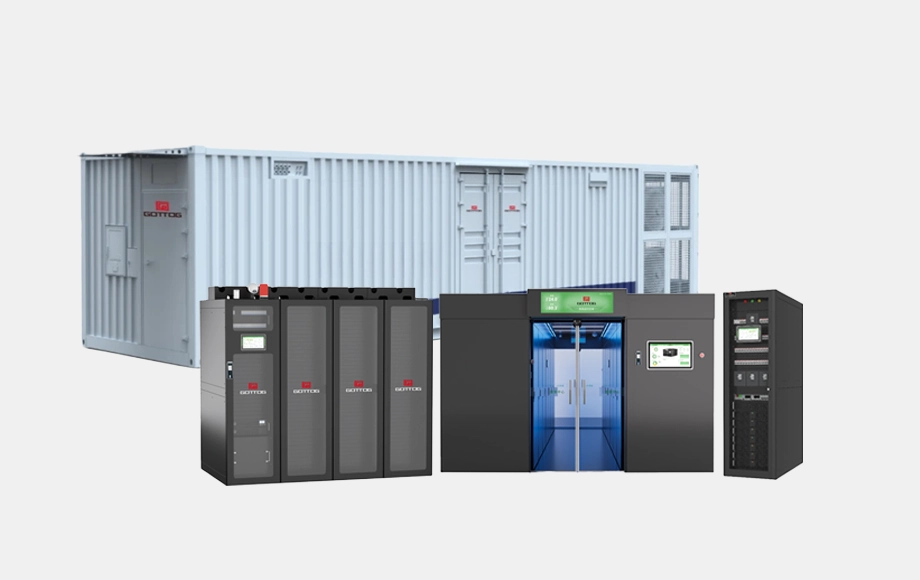
AI computing is no longer experimental. From large language models to image processing and industrial AI, workloads are becoming more power-hungry and density-driven. Traditional data centers were designed for much lower rack power and simply struggle to support modern GPU clusters. As rack density climbs past 30 kW, cooling, space, and deployment speed become real constraints. This is where the liquid containerized data center is gaining traction. It offers a more flexible and realistic way to deploy high-density computing infrastructure without rebuilding traditional facilities from the ground up.
Why Liquid Cooling Is Critical for High-Density Computing
At high computing density, cooling becomes the limiting factor long before power availability. Air cooling systems lose efficiency as heat loads increase, leading to hot spots and unstable performance. Liquid cooling addresses this challenge by transferring heat directly from key components, reducing thermal resistance. In a liquid containerized data center, cooling loops are integrated closely with servers and racks, allowing higher and more stable operating density. This makes liquid cooling especially suitable for AI workloads that demand consistent performance under continuous load.

Containerized Design Matches the Speed of AI Expansion
AI infrastructure projects rarely follow long planning cycles. Capacity often needs to be deployed quickly as models grow or new services launch. A liquid containerized data center is prefabricated and factory-tested before delivery, which significantly shortens deployment timelines. Compared with traditional data center construction, containerized systems can be installed and commissioned in weeks rather than months. This speed gives enterprises and service providers more flexibility to scale AI computing capacity when demand changes.
Energy Efficiency and Cost Control Benefits
Energy consumption is a major concern for high-density data centers. AI clusters typically operate at high utilization, making inefficient cooling expensive over time. Liquid containerized data centers help improve energy efficiency by reducing airflow demand and lowering cooling system power consumption. Better thermal management often results in improved PUE performance. For operators, this means more predictable operating costs and better alignment with energy efficiency targets, especially in regions facing rising electricity prices and stricter regulations.

Practical Use Cases Beyond Hyperscale Data Centers
Liquid containerized data centers are not limited to hyperscale environments. Common applications include:
- AI training and inference clusters with limited floor space
- Edge data centers supporting latency-sensitive workloads
- Industrial campuses requiring fast capacity expansion
- Temporary or remote sites lacking full data center infrastructure
In these scenarios, containerized liquid cooling provides a balance of performance, efficiency, and deployment flexibility that traditional data centers often cannot match.
Enabling AI-Ready Infrastructure with GOTTOGPOWER
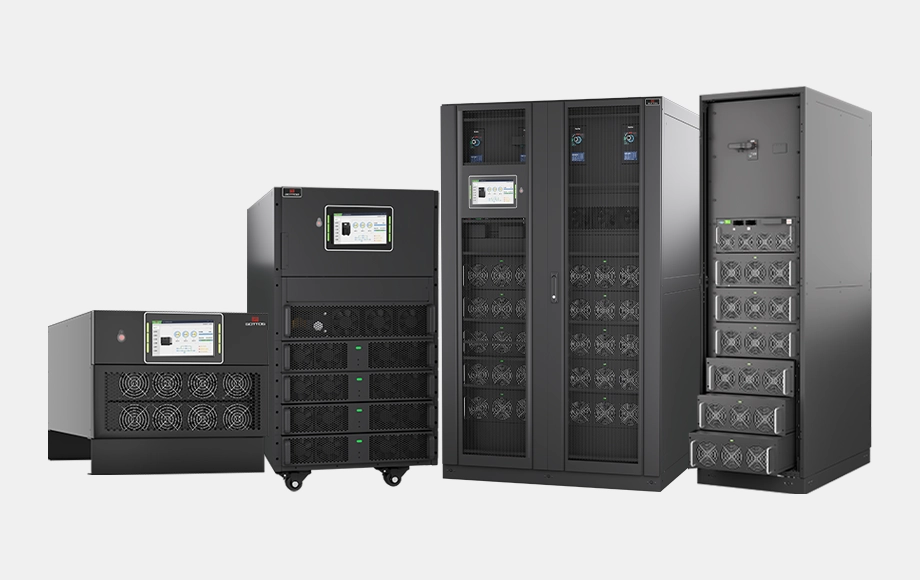
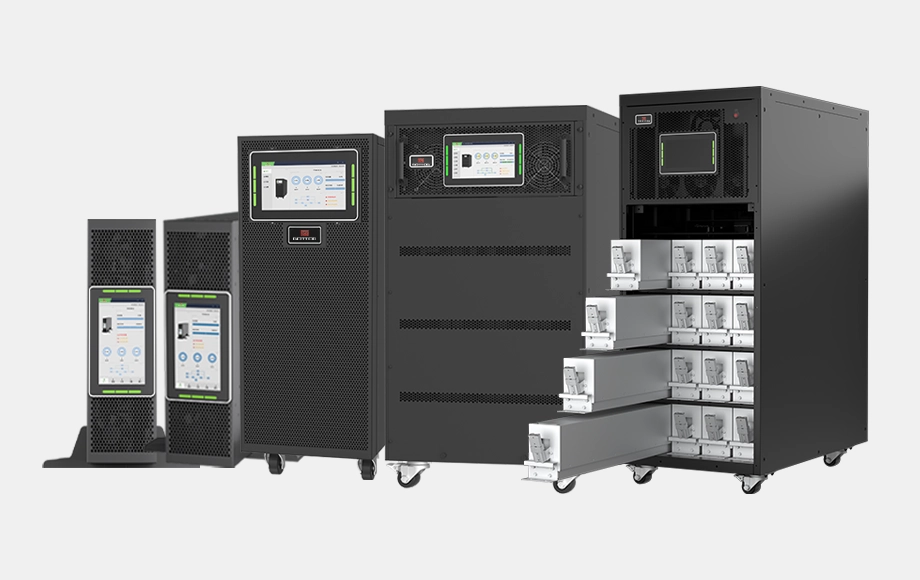
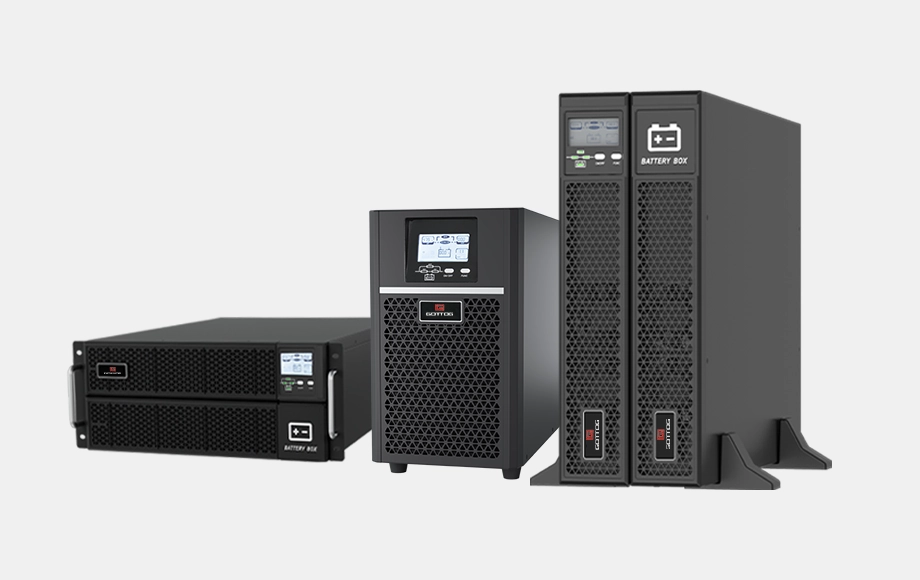
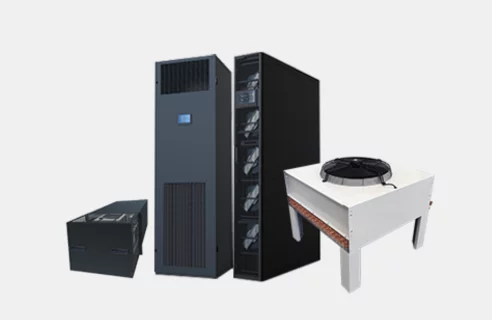
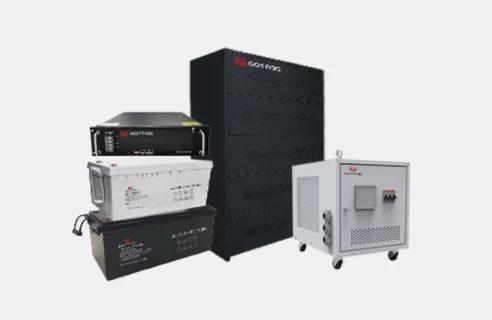
GOTTOGPOWER focuses on delivering reliable power and digital energy solutions for modern data center environments. Its product portfolio includes UPS systems, precision air conditioners, micro-module data centers, energy storage systems, and digital energy operation and maintenance services. By integrating stable power supply, intelligent cooling, and modular architecture, GOTTOGPOWER supports scalable liquid containerized data center solutions designed for AI and high-density computing needs.