



Table of Contents
What Are the Main UPS Operating Costs in Data Centers?
In data center infrastructure planning, UPS systems are often viewed as a one-time capital investment. However, in real-world operation, the long-term operating and maintenance costs of a data center UPS system usually exceed the initial purchase cost over its lifecycle.
Power consumption, battery maintenance, labor, spare parts, and system scalability all contribute to the total cost of ownership (TCO). Understanding where these costs come from is essential for optimizing data center power design and long-term reliability.
UPS Energy Efficiency and Long-Term Power Costs
UPS systems operate continuously and directly impact a data center’s electricity bill. Traditional UPS systems often experience efficiency drops at partial loads, while most data centers rarely run at full capacity for extended periods.
Even small differences in UPS efficiency can translate into significant energy costs over years of operation. In large data centers or regions with high electricity prices, UPS losses become a major hidden expense.
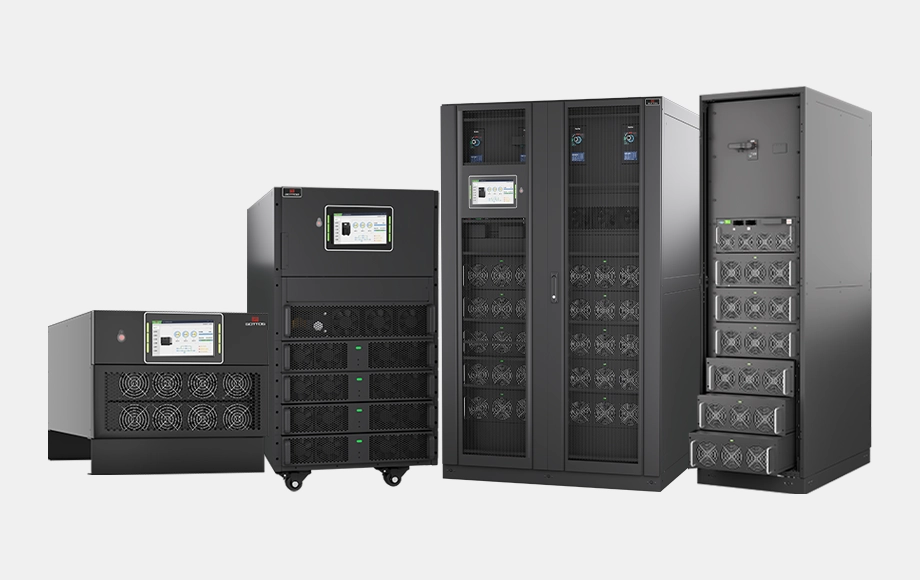
Modern modular UPS systems and high-efficiency data center UPS designs maintain stable efficiency across a wide load range, helping reduce long-term energy consumption and operating costs.
Battery Maintenance and Replacement Costs
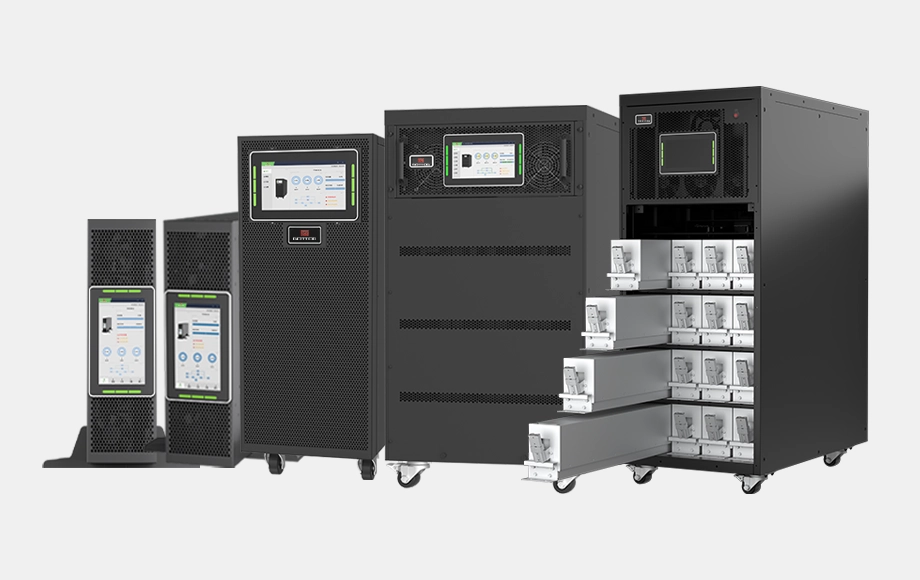
Battery systems are one of the largest contributors to UPS operating costs. Regular inspection, testing, replacement, and disposal are unavoidable throughout the UPS lifecycle.
In many data centers, battery lifespan is shorter than expected due to temperature fluctuations, improper charging management, or limited monitoring. Premature battery replacement increases both direct costs and operational complexity.
Battery maintenance also involves downtime planning, safety procedures, and skilled labor, all of which add indirect costs that are often overlooked during initial UPS selection.
Labor and Technical Management Costs
A data center UPS system is not a “set-and-forget” solution. Routine inspections, system monitoring, firmware updates, and fault diagnosis require trained personnel with power infrastructure expertise.
As UPS architectures become more complex, especially in parallel or redundant configurations, manual maintenance efforts increase. Without centralized monitoring and intelligent management systems, operational efficiency decreases and human error risks rise.
As data centers scale, UPS maintenance shifts from basic equipment servicing to full system-level power management, increasing long-term labor costs.
Spare Parts, Repairs, and Unplanned Downtime Risks
Over time, UPS components age and may require replacement or repair. Spare part availability, service response time, and manufacturer support all influence ongoing maintenance costs.
More importantly, UPS failures can lead to unplanned downtime. The financial impact of power interruptions to IT systems often far exceeds the cost of repairing the UPS itself.
For this reason, UPS operating costs should include not only visible maintenance expenses but also investments in redundancy, spare modules, and preventive maintenance strategies to minimize downtime risk.
Scalability and Future Expansion Costs
Data center power demand rarely remains static. As IT loads grow, UPS systems must support expansion or reconfiguration. Traditional UPS designs often require major upgrades or complete replacement during expansion, leading to repeated capital and installation costs.
Scalable modular UPS architectures allow capacity to be increased incrementally, reducing disruption and avoiding unnecessary overinvestment. From a long-term perspective, flexibility plays a key role in controlling total UPS operating costs.
Reducing UPS Operating Costs Through Smart Design
In practice, most UPS operating costs are determined during the design stage rather than during daily operation. UPS topology selection, redundancy level, battery configuration, and monitoring strategy all have long-term cost implications.
Focusing only on upfront price often results in higher energy consumption, complex maintenance, and costly upgrades later. A lifecycle-based approach to data center UPS design helps balance reliability, efficiency, and operational cost.
In multiple data center projects, Gottogpower applies this lifecycle-oriented engineering approach, aligning UPS configuration with real load profiles and future growth plans. This strategy helps data center operators achieve stable operation while keeping long-term UPS maintenance costs under control.
Conclusion: Operating Costs Define the Real Value of a Data Center UPS
For data centers, a UPS system is a long-term operational asset rather than a simple piece of equipment. Its true value is defined by energy efficiency, maintenance complexity, scalability, and risk management over years of continuous operation.
Understanding where UPS operating costs come from is a critical step toward optimizing data center power infrastructure and reducing overall TCO.
If you are planning a new data center or evaluating an upgrade to your existing UPS system, discussing real operational requirements with GOTTOGPOWER experienced engineers can help you make more cost-effective and future-ready decisions.