



Introduction
As digital transformation accelerates across industries, organizations are under increasing pressure to deploy IT infrastructure that is not only powerful, but also agile, scalable, and easy to manage. Traditional data center construction models—often involving multiple vendors, long deployment cycles, and complex system integration—are no longer sufficient.
This is where the all in one data center concept is rapidly gaining traction. By integrating power, cooling, racks, monitoring, and security into a unified system, businesses can dramatically simplify deployment while improving reliability and efficiency.
What Is an All in One Data Center?
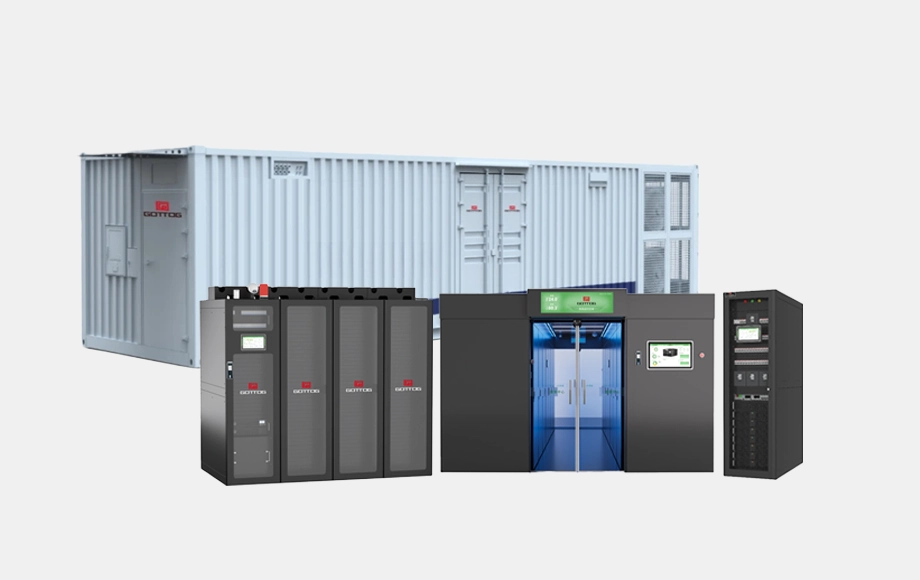
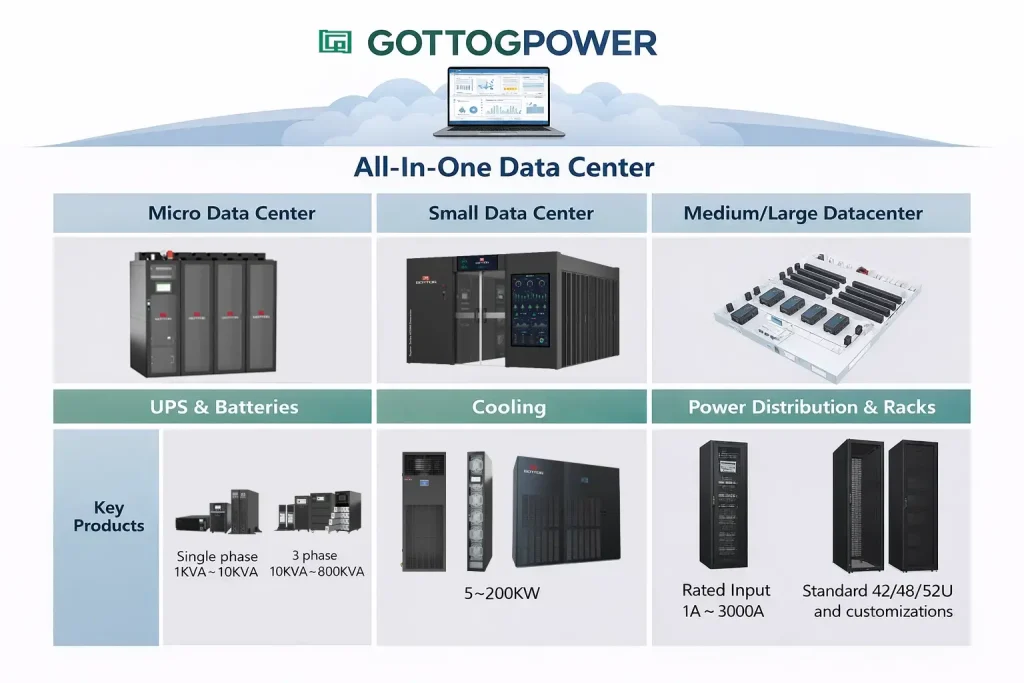
An all in one data center is a fully integrated, pre-engineered solution that combines all critical infrastructure components into a single system. Unlike conventional setups where UPS, cooling, and IT racks are deployed separately, this model delivers a complete, ready-to-deploy environment.
Typically, it includes:
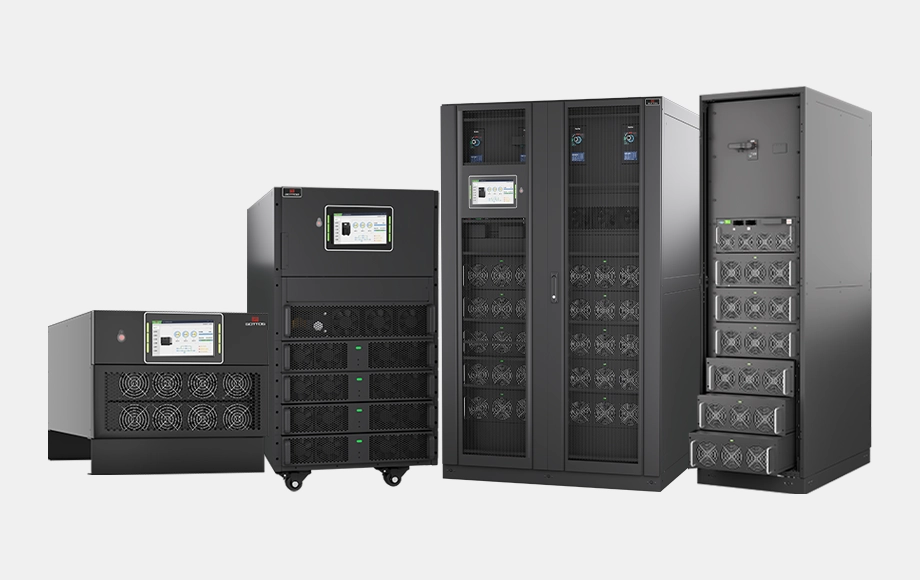
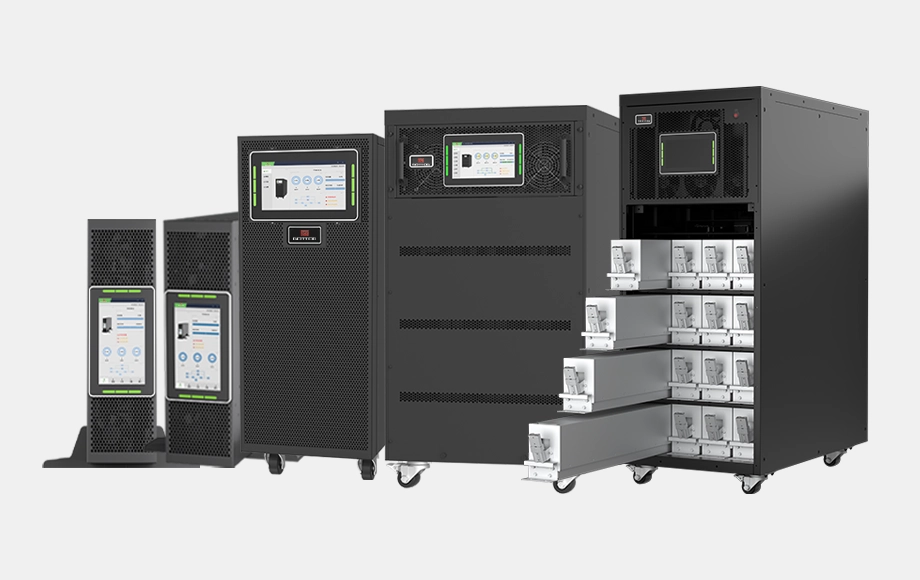
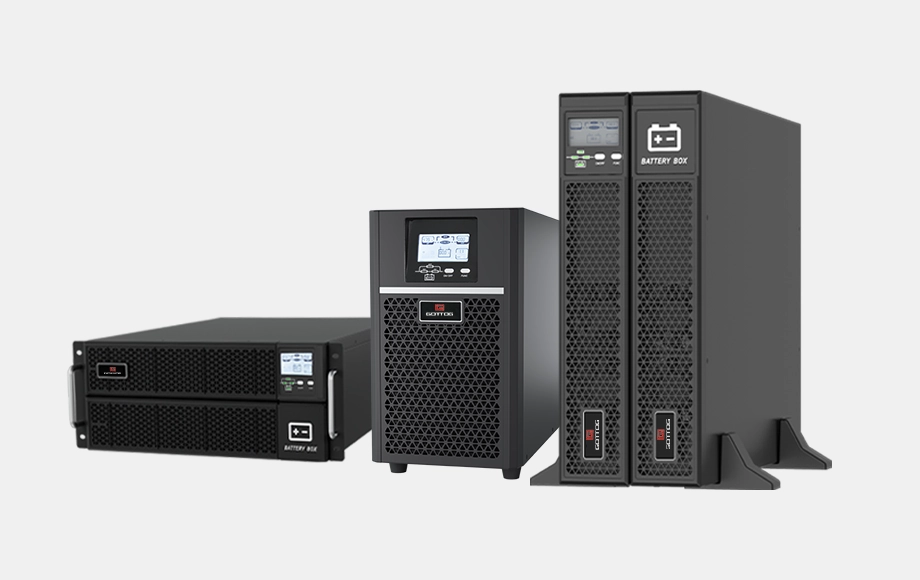
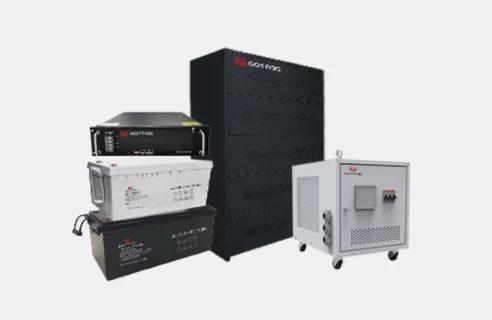
- Uninterruptible Power Supply (UPS)
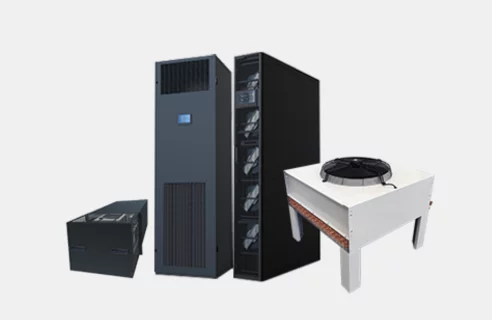
- Precision cooling system
- IT racks and containment
- Power distribution units (PDU)
- Environmental monitoring system
- Fire suppression and security systems
These components are pre-configured and tested before delivery, ensuring faster and more reliable deployment.
Why Businesses Are Moving Toward All in One Data Centers
1. Rapid Deployment
One of the biggest advantages is deployment speed. Traditional data centers may take months—or even years—to build. In contrast, an all in one data center can be deployed within weeks.
This is especially valuable for:
- Edge computing projects
- Remote or harsh environments
- Temporary or rapidly scaling operations
2. Simplified Integration
System integration is one of the most complex aspects of data center construction. With an all in one solution, all subsystems are pre-integrated and optimized to work together, reducing compatibility issues and engineering complexity.
3. Lower Total Cost of Ownership (TCO)
By minimizing on-site construction, reducing engineering costs, and improving energy efficiency, businesses can significantly lower both CAPEX and OPEX.
4. High Reliability
Integrated design ensures better coordination between power and cooling systems. Many solutions include redundancy configurations such as N+1 or 2N, ensuring continuous operation even in the event of component failure.
5. Scalability and Modularity
Modern all in one data centers are often modular, allowing businesses to scale capacity as needed without major redesign or downtime.
Key Use Cases
1. Edge Computing
With the rise of IoT and latency-sensitive applications, computing resources are moving closer to the edge. All in one data centers provide a compact, reliable solution for edge deployments.
2. SMEs and Enterprise Branch Offices
Small and medium-sized enterprises benefit from reduced complexity and lower upfront investment, while large enterprises can standardize deployments across multiple locations.
3. Telecom and 5G Infrastructure
Telecom operators use integrated data centers to support distributed network architectures required for 5G.
4. Disaster Recovery
Pre-integrated systems can be rapidly deployed as backup infrastructure in disaster recovery scenarios.
GOTTOGPOWER All in One Data Center vs Traditional Data Center
| Aspect | All in One Data Center | Traditional Data Center |
|---|---|---|
| Deployment Time | Weeks | Months/Years |
| Integration | Pre-integrated | Complex multi-vendor |
| Cost | Lower TCO | Higher overall cost |
| Scalability | Modular | Limited flexibility |
| Maintenance | Simplified | Complex |
Design Considerations
When selecting an all in one data center solution, several technical factors should be evaluated:
- Power capacity and redundancy (N+1, 2N)
- Cooling efficiency (in-row cooling, precision AC)
- Physical security and fire protection
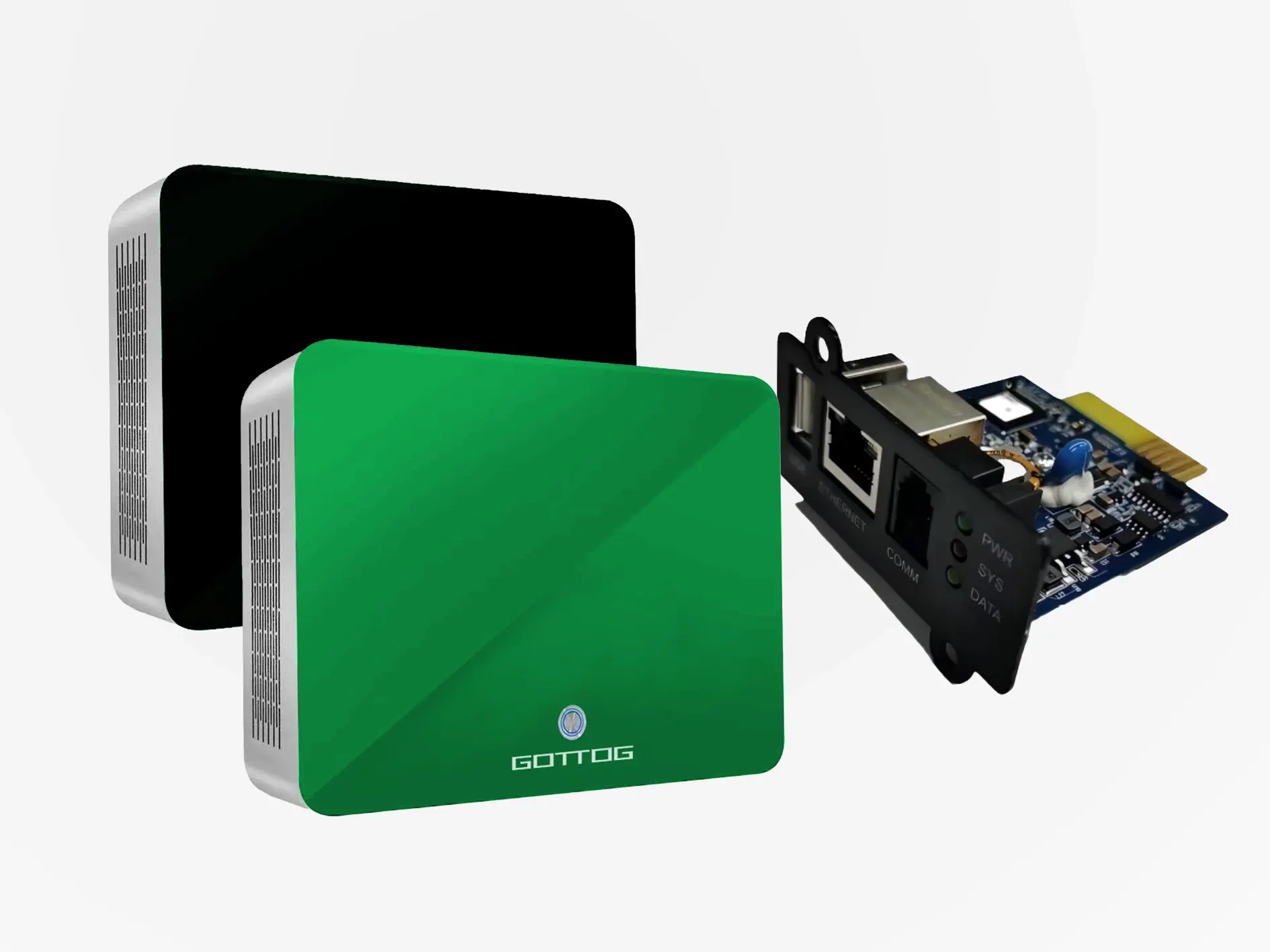
- Monitoring and remote management capabilities
- Environmental adaptability (temperature, humidity, dust)
Choosing a solution that aligns with your workload requirements and growth plans is critical.
Future Trends
The evolution of all in one data centers is closely tied to broader industry trends:
- Increased adoption of modular data centers
- Integration with AI-driven monitoring systems
- Higher energy efficiency standards (PUE optimization)
- Growth of containerized and prefabricated solutions
These trends indicate that integrated infrastructure will become the dominant model for both edge and core deployments.
Conclusion
The all in one data center is redefining how IT infrastructure is designed, deployed, and managed. By combining speed, efficiency, and reliability into a single solution, it addresses many of the limitations of traditional data centers.
For organizations looking to modernize their infrastructure while maintaining flexibility and cost control, this approach offers a compelling path forward.
If you are exploring integrated, modular, or containerized data center solutions, GOTTOGPOWER provides advanced all in one data center systems tailored for global deployment scenarios. Contact us to learn how we can support your next project.