



Table of Contents
As AI workloads continue to explode, traditional data center construction faces unprecedented challenges. Conventional facilities are often costly, time-consuming to build, and difficult to scale—making them ill-suited for high-density GPU clusters and rapidly growing edge computing demands. Containerized data centers, with their modular, flexible, and fast-deployment characteristics, are emerging as a preferred solution in the AI era.
Modular Design: The Ideal Platform for High-Density Compute
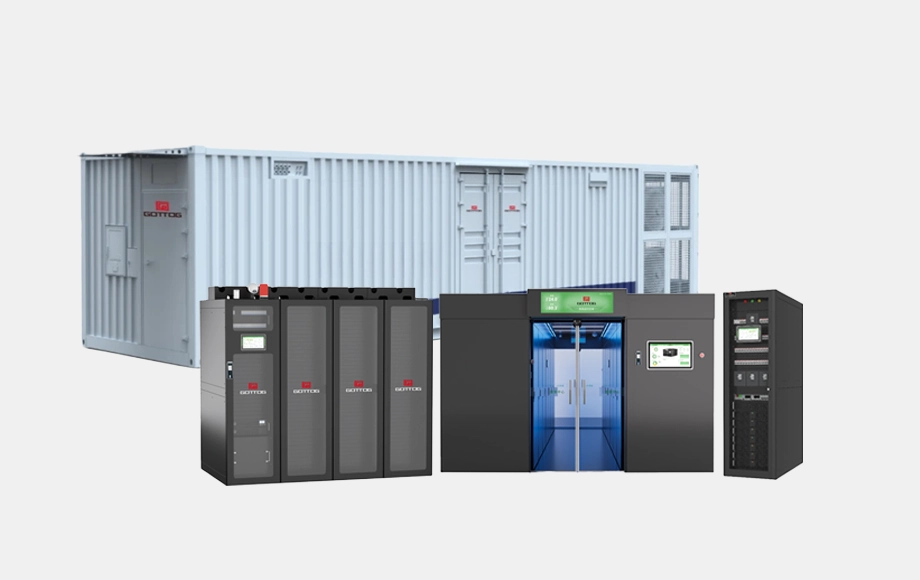
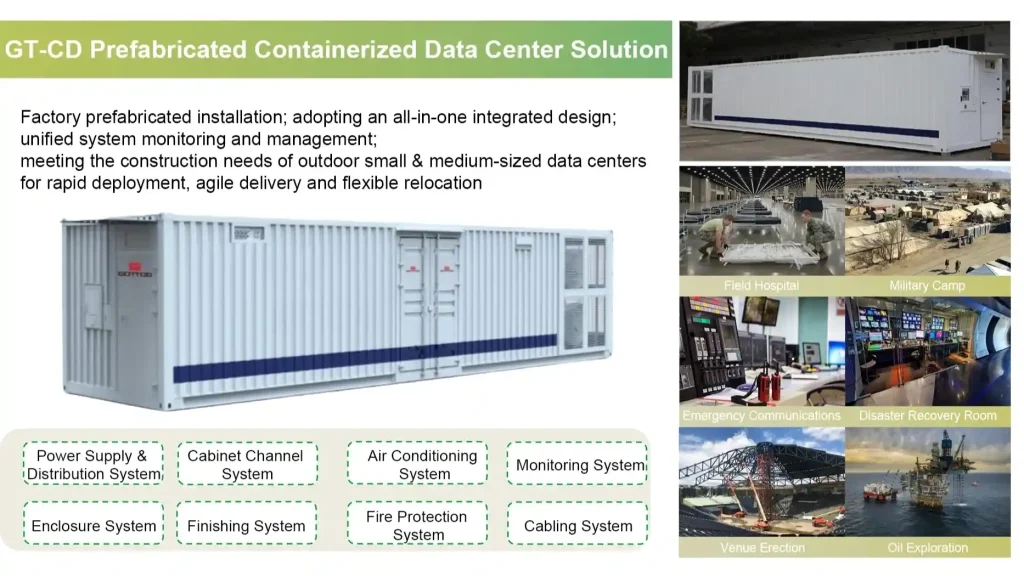
Containerized data centers integrate power, cooling, racks, and monitoring systems into pre-engineered modules. In high-density GPU deployment scenarios, this modular approach significantly increases compute capacity per square meter, shortens deployment cycles, and enables unified monitoring and management.
Compared with traditional facilities, containerized designs allow high-power-density zones to be planned from the start, supporting liquid cooling or hybrid cooling solutions to ensure stable operation under full GPU load. Modular units also enable incremental expansion, allowing capacity to scale as needed without large upfront investments.
Flexible Deployment: Rapid Installation Across Diverse Scenarios
AI workloads often demand rapid response times, which conventional data centers struggle to meet. Containerized data centers can be prefabricated in factories and delivered to the site for quick installation—often ready in a matter of weeks.
This flexibility also allows deployment in diverse locations, from urban edge sites to campus facilities or temporary compute nodes. Businesses can quickly respond to compute surges, ensuring continuity for AI training and inference tasks.
Efficient Power and Cooling: Optimized for High-Density Operations
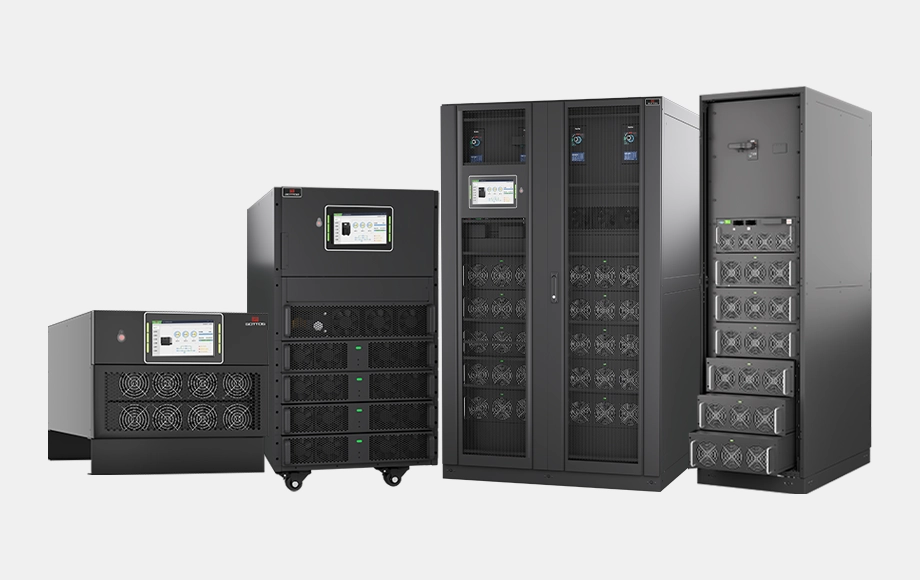
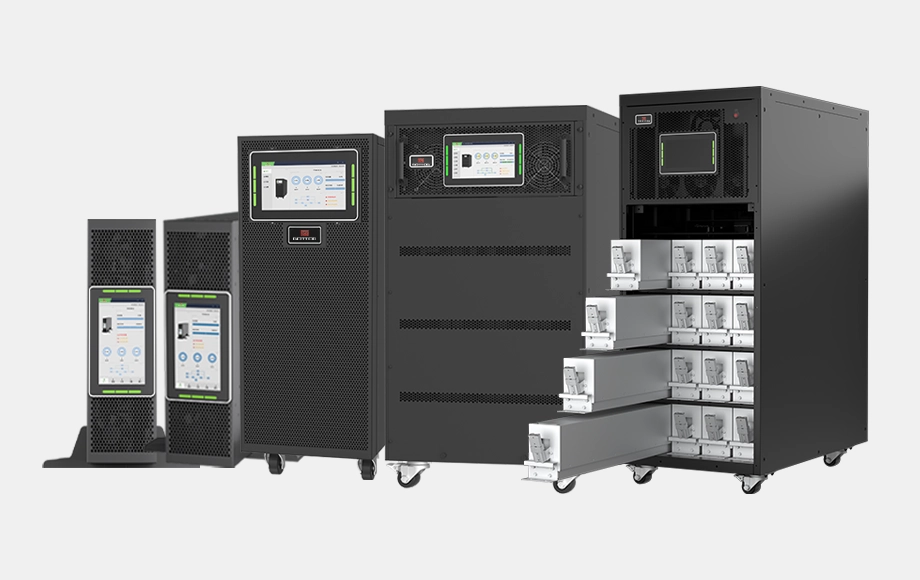
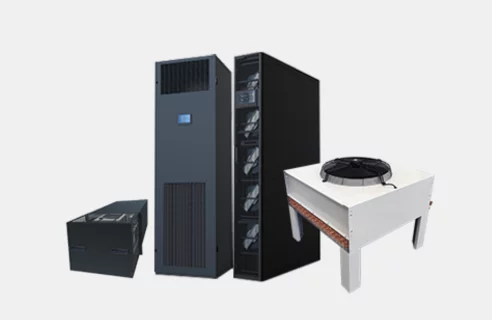
In high-density environments, cooling and power are critical to maintaining compute performance. Containerized data centers typically use liquid cooling, air cooling, or hybrid systems combined with modular UPS and power distribution, achieving coordinated optimization of temperature and power delivery.
Advanced monitoring and energy management platforms provide real-time insights into temperature, voltage, current, and equipment status, improving reliability and energy efficiency. This not only maximizes GPU utilization but also helps reduce PUE, supporting sustainable and low-carbon operations.
Conclusion
Containerized data centers are becoming a key trend in the AI era due to their modularity, flexibility, and high efficiency. They overcome the limitations of traditional facilities while supporting high-density, high-power workloads with reliable, scalable compute capacity.
As AI workloads continue to grow, the demand for fast, reliable, and scalable data center solutions will increase. Containerized data centers offer an ideal pathway for meeting these demands.
If you are planning a high-density AI deployment or looking to upgrade your existing infrastructure, our team can help design and implement a containerized data center solution tailored to your needs.
Contact GOTTOGPOWER today to explore how modular, high-density, and efficient solutions can power your AI workloads with stability and scalability.