




Table of Contents
Power reliability is one of the most critical requirements in modern data centers. With the rapid growth of cloud computing, AI workloads, and digital services, even a short power interruption can cause serious business disruptions, data loss, and financial damage.
To ensure continuous operation, data centers must implement a well-designed power infrastructure that includes redundant power distribution, reliable UPS systems, and intelligent monitoring. This article explains the key strategies that can help improve power reliability in data centers.
1. Implement Redundant Power Architecture
Redundancy is the foundation of reliable data center power systems. A properly designed redundant architecture ensures that if one component fails, another can immediately take over without interrupting operations.
Common redundancy configurations include:
- N+1 redundancy – one additional backup component is added to the system
- 2N architecture – two completely independent power systems
- 2N+1 architecture – an extra backup layer on top of dual systems
For critical facilities such as financial data centers, cloud platforms, and AI computing centers, 2N power distribution architecture is often used to maximize reliability.
2. Deploy High-Reliability Data Center UPS Systems
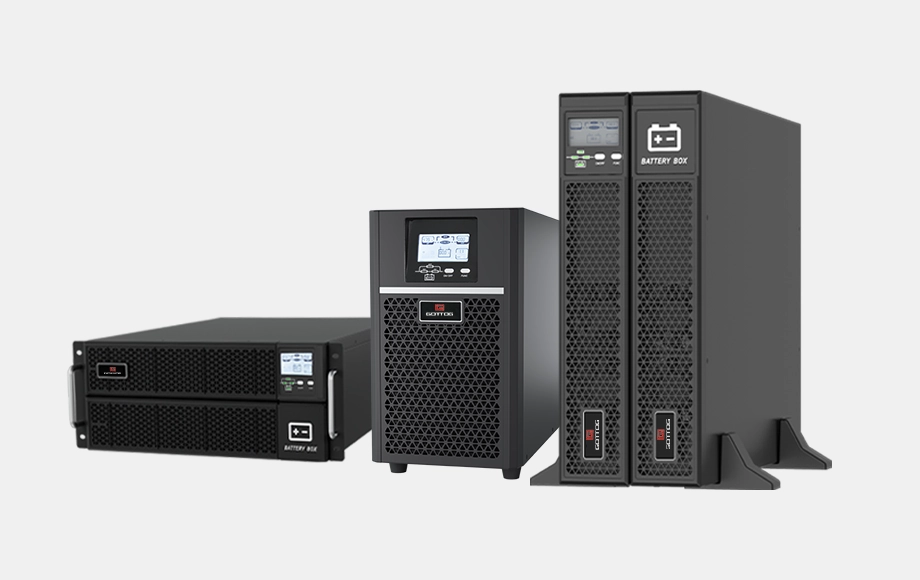
A data center UPS system is the core component that protects IT equipment from power interruptions, voltage fluctuations, and grid instability.
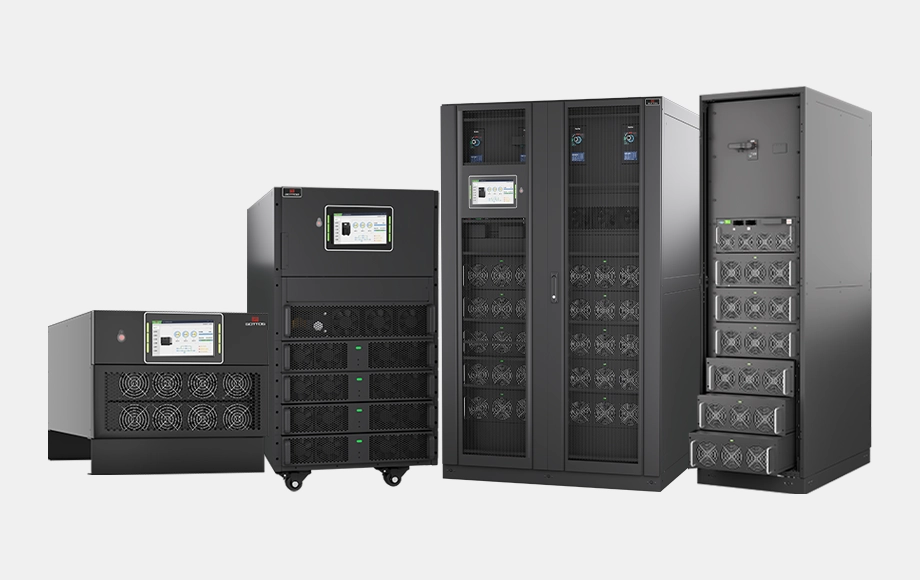
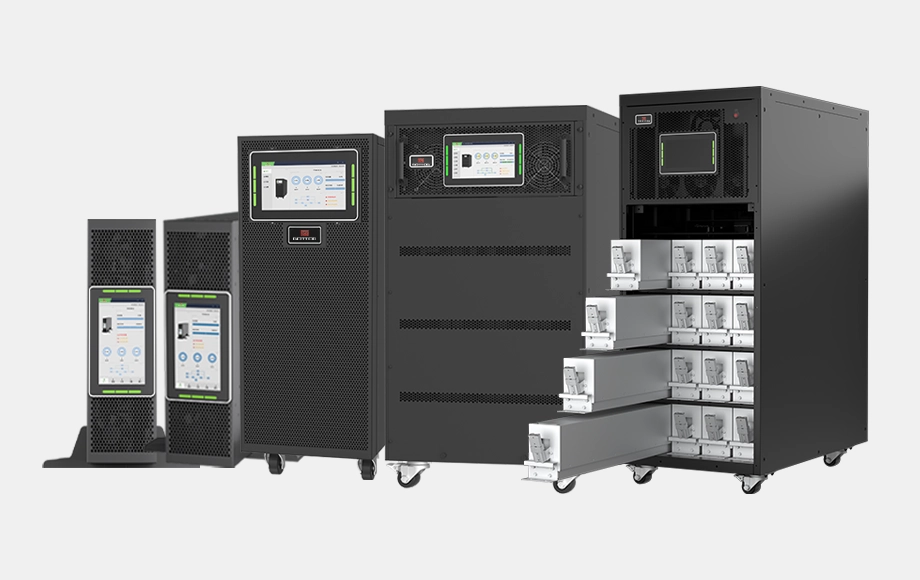
Modern data centers increasingly adopt modular UPS systems because they offer:
- Higher system availability
- Hot-swappable power modules
- Scalable capacity expansion
- Simplified maintenance
Compared with traditional monolithic UPS systems, modular UPS solutions significantly reduce single-point failure risks and allow data centers to expand power capacity as computing demand grows.
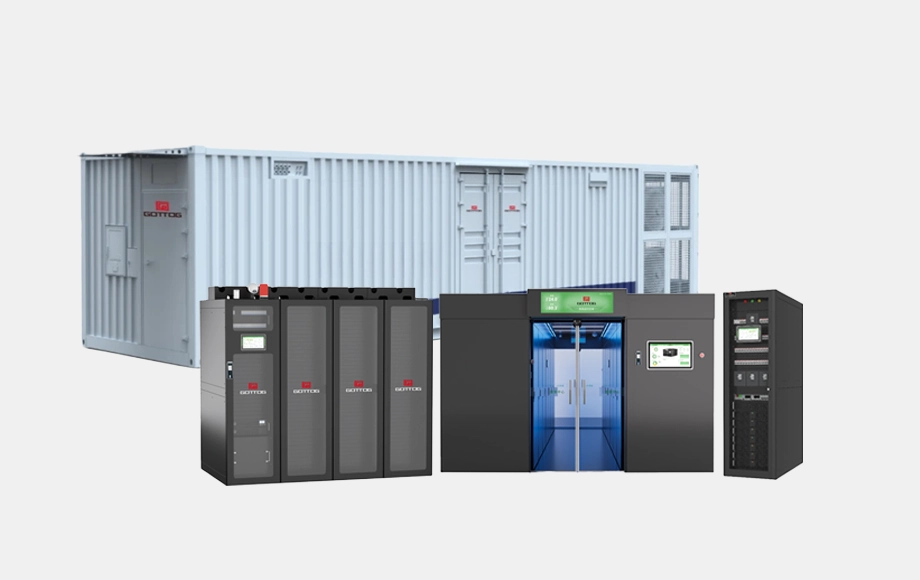
Solutions such as those deployed in many modern facilities use modular data center UPS architectures combined with intelligent battery management, improving overall system reliability and operational flexibility.
3. Use Dual Power Distribution Paths
To further enhance reliability, critical IT loads should receive power from dual independent distribution paths (A/B power feeds).
In this architecture:
- Each server or rack receives power from two separate sources
- If one power path fails, the other path continues supplying power
- Maintenance can be performed without shutting down equipment
This design is widely used in large-scale cloud data centers and hyperscale facilities.
4. Deploy Intelligent Power Monitoring Systems
Power reliability also depends on real-time monitoring and early fault detection.
Modern data center power management systems typically monitor:
- UPS operating status
- Battery health and capacity
- Power quality and load distribution
- Temperature and environmental conditions
With intelligent monitoring platforms, operators can detect abnormal conditions early and perform preventive maintenance before failures occur.
Many advanced power infrastructures integrate power network management systems that provide centralized monitoring and remote management capabilities.
5. Optimize Battery Systems
The battery system plays a critical role in maintaining power continuity during outages.
To improve reliability, data centers should:
- Implement intelligent battery management systems (BMS)
- Regularly test battery capacity
- Maintain proper temperature control
- Replace aging batteries on schedule
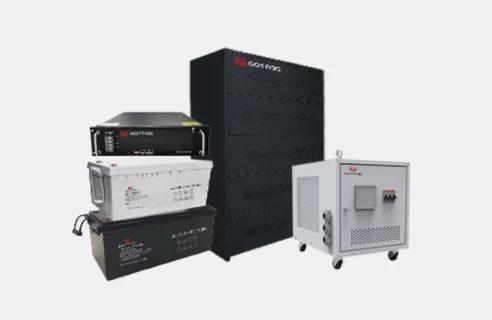
Lithium battery systems are also becoming more common in modern facilities due to their longer lifespan and higher energy density.
6. Perform Regular Maintenance and Testing
Even the most advanced power infrastructure requires regular inspection and testing.
Key maintenance practices include:
- Periodic UPS system testing
- Battery discharge testing
- Thermal inspection of power distribution equipment
- Firmware updates and system diagnostics
Routine maintenance helps identify potential issues before they affect system availability.
7. Adopt Scalable Power Infrastructure
As data centers continue to expand, scalability becomes essential.
A scalable power infrastructure allows operators to:
- Expand UPS capacity without downtime
- Add power modules as demand increases
- Reduce initial investment costs while maintaining reliability
This is why modular data center power systems are widely used in modern facilities.
Conclusion
Improving power reliability in data centers requires a comprehensive approach that combines redundant architecture, reliable UPS systems, intelligent monitoring, and proper maintenance.
By implementing redundant power distribution, modular data center UPS solutions, dual power feeds, and advanced monitoring systems, data centers can significantly reduce downtime risks and ensure stable operation for critical digital infrastructure.
With growing demand from cloud computing and AI workloads, building a highly reliable power infrastructure has become more important than ever.
Our engineering teams have deployed multiple sets of customized UPS systems, power distribution cabinets, and power network management solutions for metro systems across several provincial capital cities in China. These projects have delivered stable operation and strong customer feedback.
If you would like to learn more about these real-world data center and power infrastructure cases, feel free to contact us for further information.