





Table of Contents
UPS redundancy is widely regarded as a cornerstone of data center power reliability. N+1, 2N, and parallel UPS architectures are often assumed to guarantee uninterrupted operation. However, real-world incidents show that redundancy alone does not automatically translate into safety.
In practice, many data center power failures occur in systems that are technically “redundant.” Understanding the limits of UPS redundancy is critical for building truly resilient data center power infrastructure.
What UPS Redundancy Actually Means in a Data Center
UPS redundancy refers to deploying additional UPS capacity beyond the minimum required load. Common configurations include N+1, N+2, and 2N systems, designed to ensure continuous power in case of component failure or maintenance.
From a theoretical perspective, redundancy improves fault tolerance. From an operational perspective, redundancy only works when all components, control logic, and maintenance processes function as intended.
Redundancy reduces risk—but it does not eliminate it.
Common Misconceptions About UPS Redundancy
One common misconception is that higher redundancy automatically equals higher safety. In reality, complex redundant systems introduce additional failure points, including synchronization issues, control system conflicts, and human error during operation or maintenance.
Another misunderstanding is assuming redundancy protects against all risks. UPS redundancy cannot compensate for poor power quality, incorrect load distribution, battery degradation, or improper system commissioning.
Without proper design and operational discipline, redundancy may create a false sense of security rather than real resilience.
Hidden Risks in Redundant UPS Architectures
Redundant UPS systems rely heavily on communication, control logic, and correct load sharing. A failure in monitoring systems or protection coordination can cause multiple UPS modules to trip simultaneously.
Battery systems are another critical risk factor. In redundant configurations, batteries are often shared or closely coupled. Aging batteries, uneven charging, or insufficient testing can undermine redundancy when it is needed most.
Maintenance activities also introduce risk. Incorrect isolation procedures or incomplete transfer sequences during servicing can unintentionally bypass redundancy and expose the data center to outages.
Redundancy vs. Availability: Not the Same Thing
Redundancy is a design concept; availability is an operational outcome. A redundant data center UPS system with poor monitoring, limited maintenance access, or complex manual procedures may have lower real-world availability than a simpler, well-managed system.
High availability depends on how easily the system can be operated, monitored, repaired, and expanded without service interruption. Redundancy that increases operational complexity without improving visibility may reduce overall reliability.
The Role of Modular UPS in Redundant Data Centers
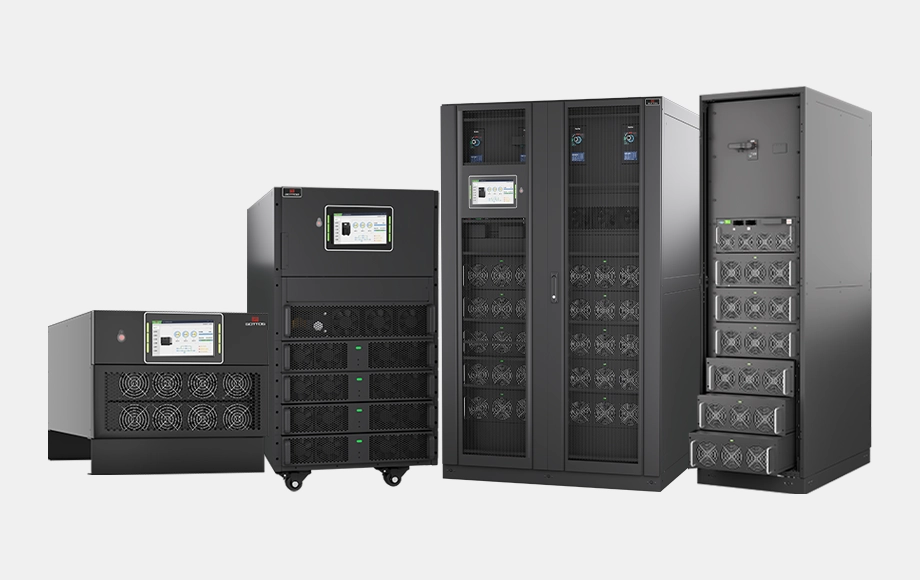
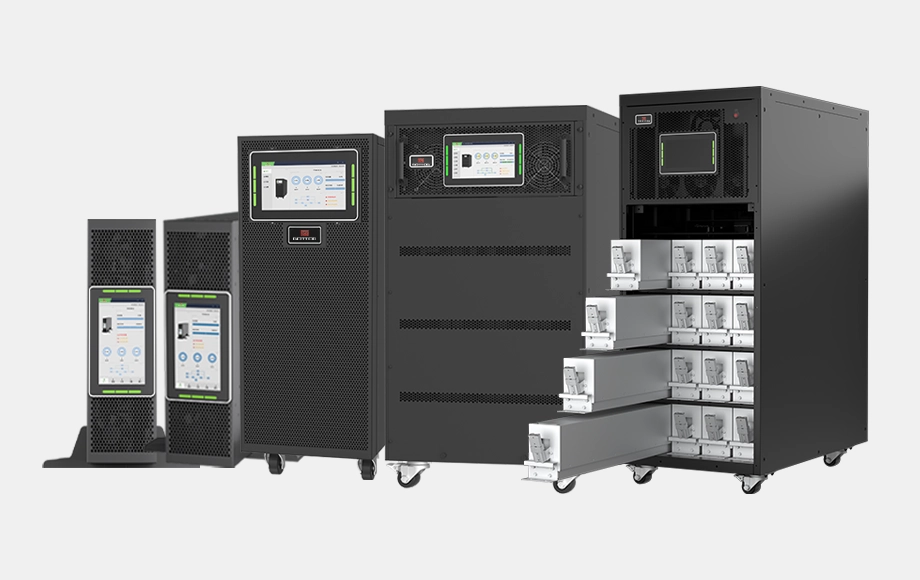
Modular UPS architectures change how redundancy is implemented. Instead of relying on large monolithic UPS units, modular UPS systems distribute capacity across independent power modules.
This approach allows redundancy at the module level, enabling online replacement, flexible scaling, and localized fault isolation. When designed correctly, modular UPS redundancy reduces both downtime risk and maintenance impact.
In many modern data center projects, modular UPS systems improve practical safety by simplifying redundancy rather than merely increasing capacity.
Engineering Discipline Matters More Than Redundancy Level
Real UPS safety is determined less by the redundancy ratio and more by engineering execution. Factors such as load analysis, protection coordination, battery management strategy, commissioning quality, and operational training all play decisive roles.
In data center power projects delivered by Gottogpower, redundancy design is typically aligned with actual load behavior, growth plans, and maintenance capabilities rather than relying solely on standard redundancy formulas. This engineering-driven approach helps ensure that redundancy works as intended under real operating conditions.
How to Make UPS Redundancy Truly Safe
To achieve real safety, data center operators should focus on:
- Clear separation of redundant power paths
- Independent monitoring and protection systems
- Regular battery testing and lifecycle management
- Simplified maintenance procedures
- Real-time UPS and load monitoring
- Scalable architectures that avoid over-complexity
UPS redundancy must be part of a broader reliability strategy, not a standalone solution.
Conclusion: Redundancy Is Necessary, but Not Sufficient
UPS redundancy is essential for data centers, but it is not a guarantee of safety. Poor design, inadequate maintenance, and operational complexity can undermine even the most advanced redundant architectures.
True data center UPS safety comes from a balance of redundancy, simplicity, visibility, and disciplined engineering. When redundancy is designed for real-world operation—not just theoretical fault scenarios—it becomes a powerful tool for long-term reliability.