




In the early days of data center power design, UPS efficiency was often treated as a secondary metric—important, but rarely decisive. A shift from 94% to 96% efficiency was considered acceptable progress. Today, however, the landscape has fundamentally changed.
As energy costs rise, AI and high-density workloads proliferate, and sustainability targets become stricter, the evolution from 96% to 99% efficiency in modular UPS systems is no longer incremental—it is strategic. This seemingly small percentage improvement delivers tangible operational, financial, and environmental benefits over the lifecycle of a data center.

Understanding What UPS Efficiency Really Means
UPS efficiency refers to the percentage of input electrical power that is delivered to the load after power conversion. The remaining percentage is lost as heat.
At first glance, the difference between 96% and 99% efficiency may appear minor. However, in real-world data center operations—where UPS systems run continuously, often at partial loads—the impact is amplified:
- Lower conversion losses
- Reduced heat generation
- Less cooling demand
- Lower total cost of ownership (TCO)
In large or long-running installations, even a 1% efficiency improvement can translate into significant annual energy savings.

Why 99% Efficiency Has Become a New Benchmark
Several industry trends are pushing modular UPS systems toward ultra-high efficiency:
Rising Energy Costs
Electricity has become one of the largest operational expenses for data centers. Higher UPS efficiency directly reduces energy waste and long-term operating costs.
High-Density and AI Workloads
AI clusters and modern computing loads generate substantial heat and place greater stress on power infrastructure. Minimizing UPS losses helps control thermal pressure across the facility.
Sustainability and Carbon Reduction Goals
Data centers are under increasing pressure to meet ESG targets. Improving power efficiency is one of the most direct and measurable ways to reduce carbon footprint.
As a result, 99% efficiency is no longer viewed as an experimental figure—it is becoming an expected capability in modern modular UPS design.
The Role of Modular Architecture in Efficiency Gains
Traditional monolithic UPS systems often struggle to maintain high efficiency across varying load conditions. Modular UPS architecture changes this dynamic by design.
Key efficiency advantages of modular UPS systems include:
- Module-level load sharing
- Scalable capacity matching real demand
- Reduced idle losses during partial-load operation
- Intelligent control of active power modules
By operating only the number of power modules required at any given time, modular UPS systems maintain optimal efficiency even as load fluctuates—something traditional systems cannot easily achieve.
How Gottogpower Modular UPS Aligns with the 99% Efficiency Standard
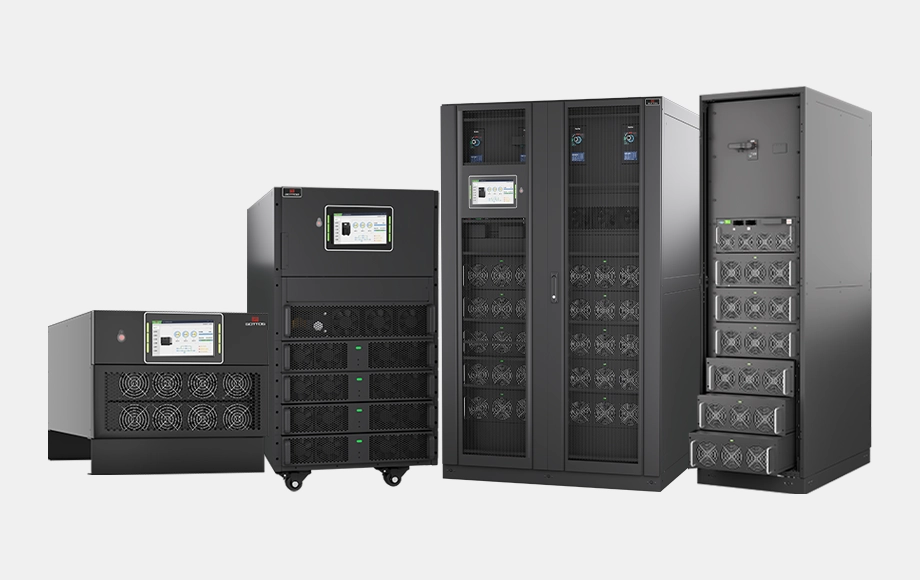
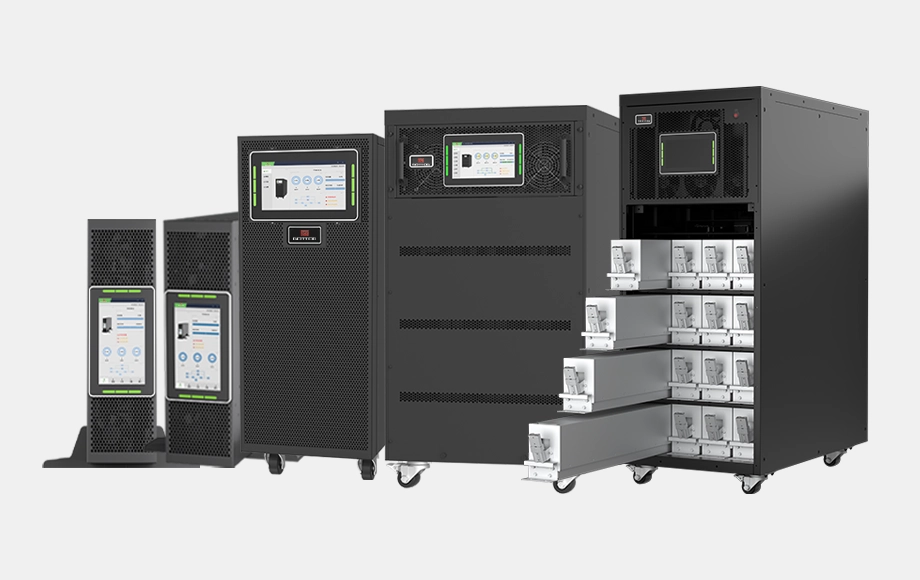
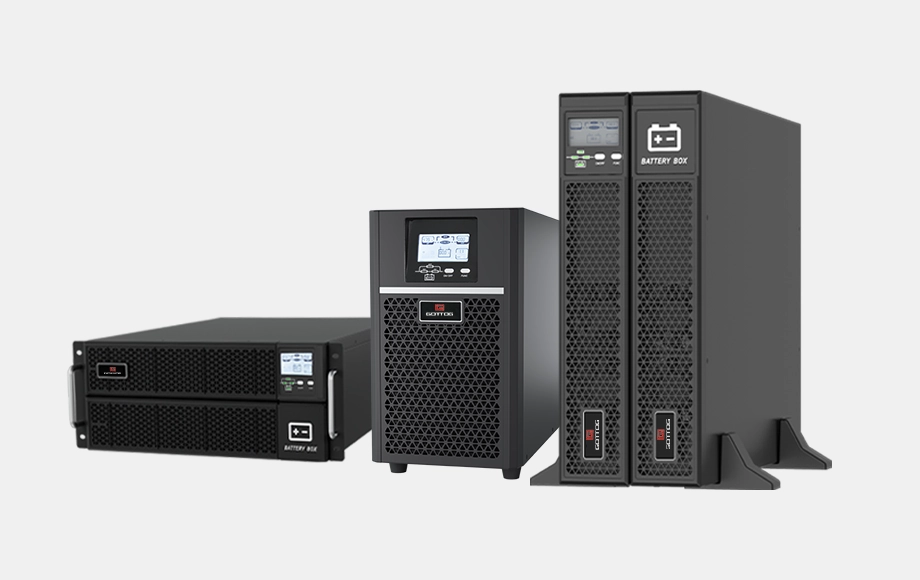
As efficiency benchmarks continue to rise, manufacturers are being challenged to deliver performance not only in laboratory conditions, but also in real-world operating environments. Within this context, the majority of Gottogpower modular UPS systems are engineered to achieve ultra-high efficiency levels of up to 99%, with many models consistently operating at 98% under optimized conditions. At the same time, selected configurations designed for specific applications continue to operate in the 96–97% efficiency range, balancing performance, cost, and deployment flexibility.
This diversified efficiency portfolio reflects Gottogpower’s pragmatic design philosophy: rather than pursuing a single peak efficiency figure, the focus is on delivering stable, high-efficiency performance across different capacities, load profiles, and deployment scenarios.
Gottogpower’s modular UPS platforms integrate:
High-efficiency power conversion topologies
Intelligent module-level load balancing
Adaptive operating modes optimized for partial-load operation
Through this approach, high efficiency is maintained across a wide load range instead of being limited to a narrow operating point. For data centers that expand in phases or experience fluctuating workloads, this sustained efficiency is particularly critical.
By combining modular scalability with proven high-efficiency design—ranging from 96% to 99% depending on model and configuration—Gottogpower UPS systems help operators reduce electrical losses, lower cooling demand, and improve overall Power Usage Effectiveness (PUE), without compromising system availability or power protection reliability.
Efficiency Beyond Energy Savings: Operational Impacts
Moving from 96% to 99% efficiency impacts more than just electricity bills.
Lower heat dissipation reduces stress on internal components, which can extend equipment lifespan and improve system stability. Reduced cooling demand also frees up capacity in thermal management systems, enabling higher rack densities or future expansion.
From a planning perspective, high-efficiency modular UPS systems simplify infrastructure design by easing constraints on cooling, space utilization, and redundancy planning.
Looking Ahead: Efficiency as a Design Foundation
As data centers evolve toward AI-driven, high-density, and energy-constrained environments, efficiency will no longer be an optimization layer—it will be a foundational design requirement.
Modular UPS systems that consistently deliver near-99% efficiency will play a central role in enabling scalable, resilient, and sustainable power architectures. The evolution from 96% to 99% is not merely a technical milestone; it reflects a broader shift in how power infrastructure is designed, evaluated, and deployed.
Conclusion
The efficiency evolution of modular UPS systems represents a fundamental change in data center power strategy. What once appeared to be a marginal improvement now delivers measurable benefits in cost control, thermal management, sustainability, and long-term operational resilience.
As efficiency expectations continue to rise, modular UPS platforms—particularly those capable of achieving up to 99% efficiency in real-world conditions—will become the standard rather than the exception.