



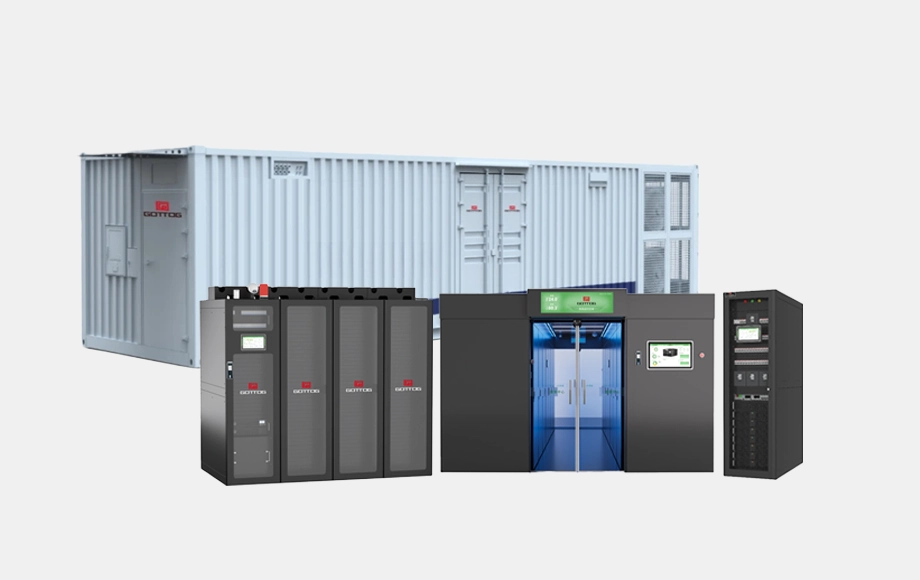
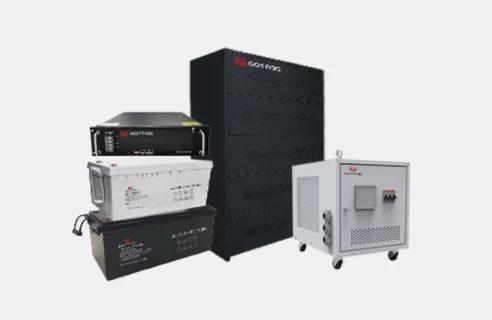

As global climate change intensifies, extreme weather events such as heatwaves, snowstorms, floods, and droughts are becoming more frequent. This poses new challenges for data centers, which are critical hubs for information and computing. Continuous operation relies on a stable power supply, and any interruption can lead to downtime, data loss, and financial impact. Therefore, designing safe and reliable power infrastructure for extreme weather conditions is a top priority for data center operators.

1. Choosing UPS Systems and Redundant Designs
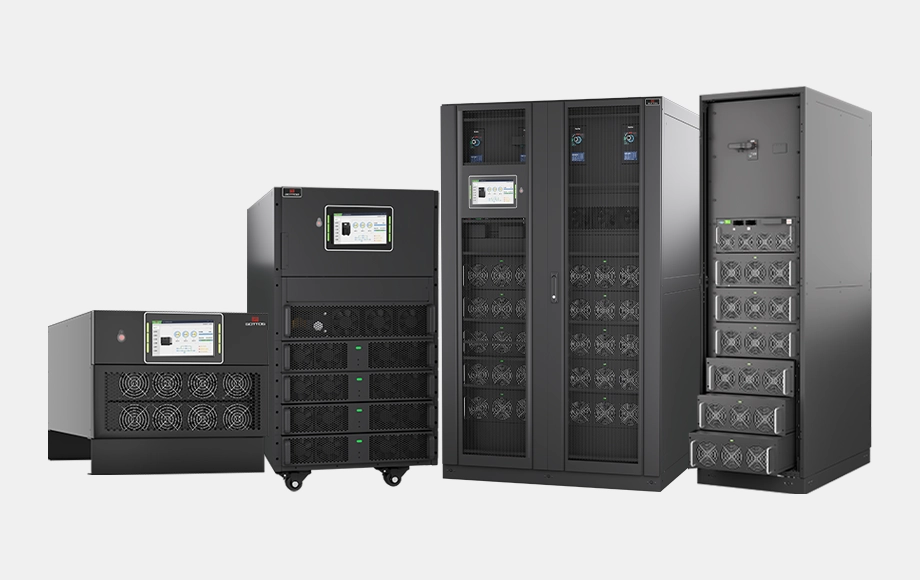
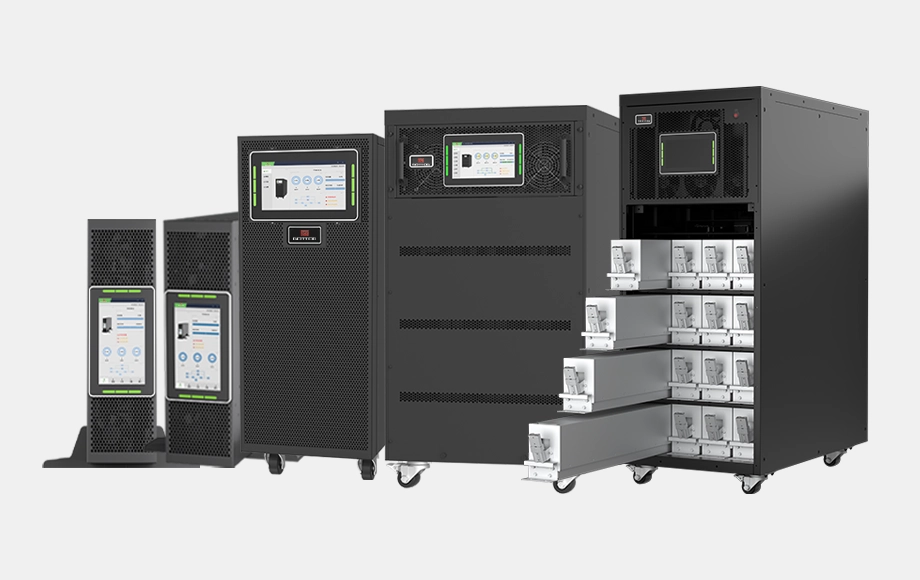
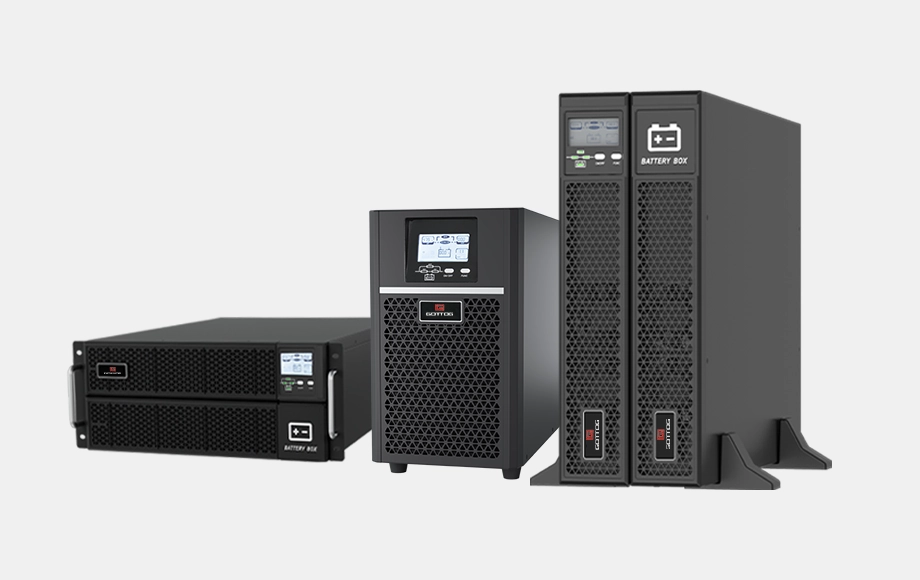
In extreme weather scenarios, the risk of power outages increases significantly. UPS systems are a critical component of data center backup power and must provide high reliability and fast response times. Modular UPS systems are recommended, offering incremental scalability and online maintenance. This design ensures that if one module fails, other modules continue to provide power, maintaining uninterrupted data center operations. For high-temperature environments, selecting UPS systems with optimized cooling designs reduces the risk of overheating.

2. Multi-Layered Backup Power Strategy
Data centers should adopt a multi-layered backup power strategy:
- Short-term backup: UPS systems provide immediate power to prevent server downtime during utility outages.
- Medium-term backup: Diesel generators or gas turbines activate when utility power is unavailable, supporting extended operations.
- Long-term energy storage: Energy storage solutions such as lithium-ion or sodium-ion batteries can provide power during prolonged extreme weather, sustaining critical loads.
A multi-layered approach ensures continuous operation under different extreme weather conditions while minimizing single-point-of-failure risks.
3. Thermal Management and Cooling Design
Extreme weather challenges temperature control in data centers. High temperatures can overheat servers, while low temperatures or high humidity can affect equipment stability. Recommended strategies include:
- Liquid cooling systems: More efficient than traditional air cooling, particularly in high-density computing environments.
- Intelligent cooling management: Sensors and AI-based systems dynamically adjust cooling loads to maintain stable operating temperatures.
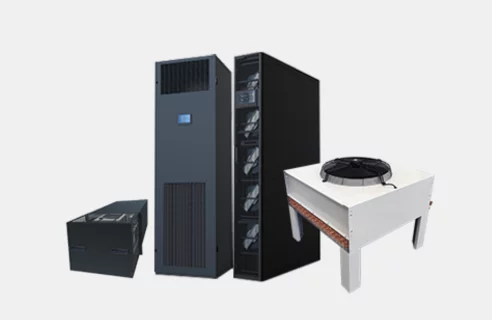
- Redundant cooling: Multiple cooling units in critical areas ensure continued operation if one system fails.
4. Distributed Power and Renewable Energy Integration
Extreme weather can destabilize utility grids. Data centers should consider distributed power and renewable energy solutions:
- Distributed microgrids: Combine solar, wind, and energy storage to provide independent power supply.
- Fuel cells: Offer stable long-term power, serving as alternatives to traditional diesel generators.
- Energy diversification: Reduces reliance on a single power source, enhancing resilience.
5. Intelligent Monitoring and Predictive Maintenance
Proactively identifying potential failures is crucial during extreme weather. Data centers can deploy intelligent monitoring systems to track power, temperature, humidity, and equipment status in real time. AI-driven predictive maintenance enables operators to detect potential UPS or power infrastructure issues early, preventing overheating or outages.

6. Site Selection and Infrastructure Planning
For areas prone to extreme weather, site selection should consider grid stability, environmental safety, and availability of backup energy. Avoiding flood-prone, earthquake-prone, or high-temperature zones reduces construction and operational risks. Infrastructure planning should also prioritize scalability and redundancy to accommodate higher future loads and complex climate challenges.
Conclusion
Designing data center power infrastructure for extreme weather requires balancing continuous power supply, energy efficiency, and safety. By adopting modular UPS systems, multi-layered backup power, liquid cooling, distributed energy, and intelligent monitoring, data centers can mitigate risks from climate change and ensure reliable operation. Forward-looking, resilient power infrastructure will become a key competitive advantage as climate uncertainty increases.
To learn more about Gottogpower’s professional UPS systems and customized power solutions, ensuring your data center remains efficient and reliable even in extreme weather, contact us today:
Email: info@gottogpower.com
WhatsApp: +86 18326071160 / +86 19746645428