




In the UPS industry, several system architectures can be deployed to protect critical loads, each with different installation requirements, pricing levels and long-term scalability. Selecting the right type of UPS is essential not only for system reliability but also for managing future growth and investment. In this article, we take a fresh look at two commonly compared approaches—modular UPS systems and N+1 UPS configurations—and explain how they differ in structure, expansion capability and overall cost effectiveness.
Modular UPS, what is it?
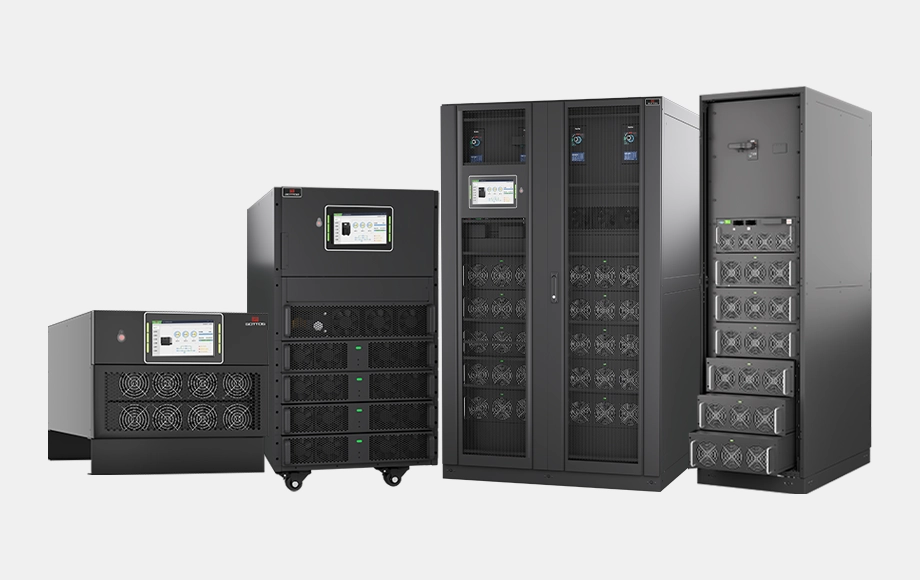
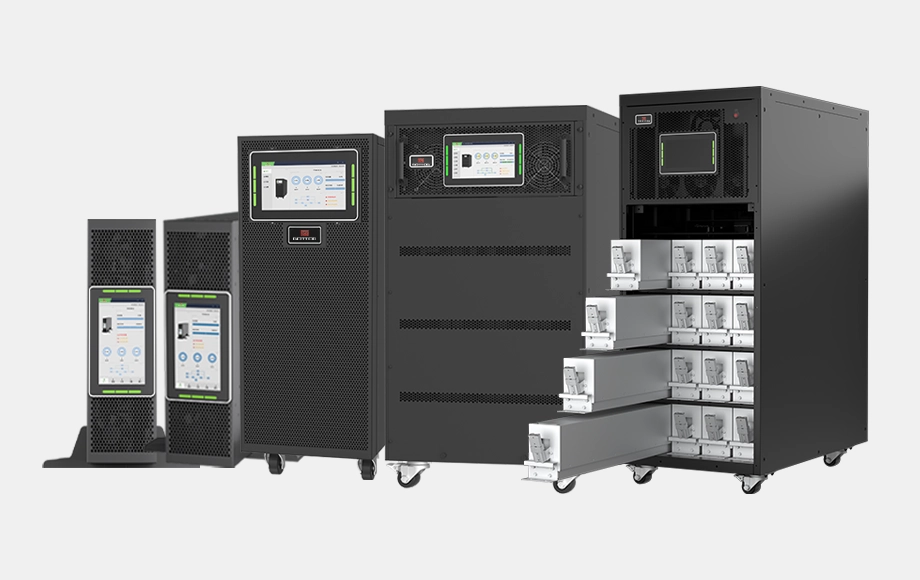
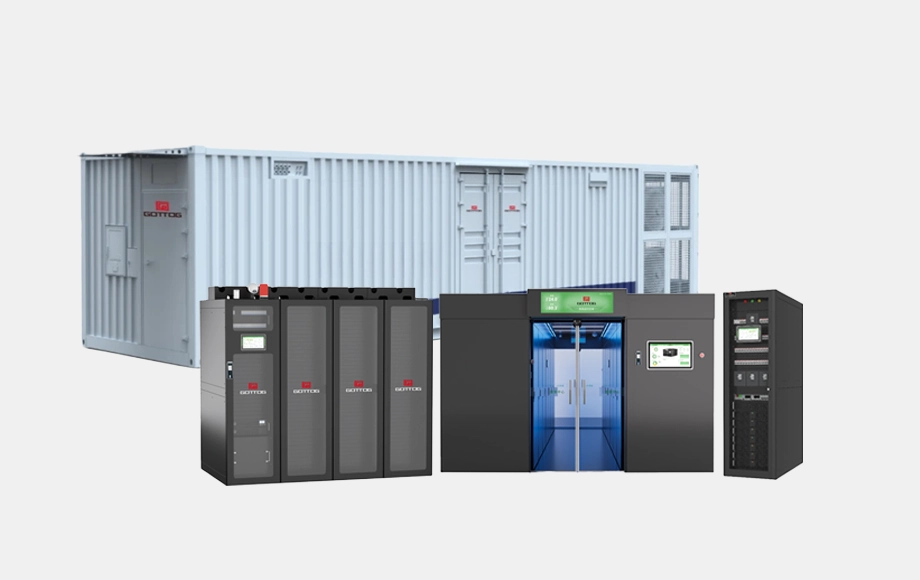
A modular UPS is built around a frame that houses multiple hot-swappable power modules. Each module operates independently but works together to deliver the total system capacity. Because the internal components are modular, the UPS can be expanded on-site simply by inserting additional modules as your load increases. Maintenance is easier as well, since a faulty module can be removed without shutting down the system. This type of architecture provides flexibility for businesses that expect their power demand to grow or need redundancy within a compact footprint.
N+1 UPS system, what is it?
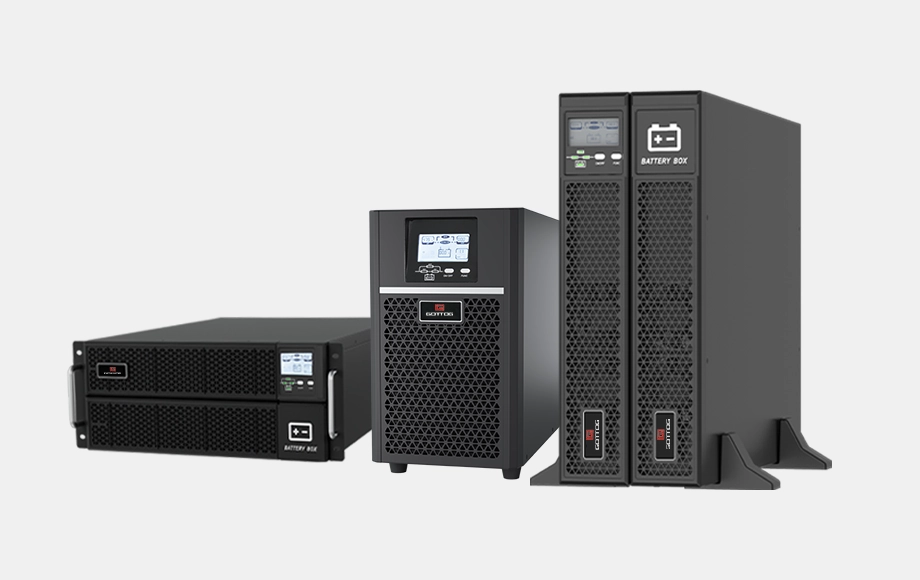
An N+1 UPS system consists of separate UPS units connected in parallel to create redundancy. “N” represents the required power capacity, and the “+1” is an additional UPS that ensures continuity if one unit fails or needs to be taken offline. Although this configuration provides reliable backup, it typically requires more space because each UPS is a full unit with its own cabinet, components and sometimes its own battery system. It also allows a complete UPS to be isolated for maintenance, but during that period, the system loses its redundant layer.

What’s the difference?
The differences between modular and N+1 UPS systems appear in scalability, space, cost and operating efficiency. In an N+1 setup, increasing redundancy or capacity requires adding more full UPS units—moving from N+1 to N+2 or beyond—resulting in higher equipment costs and a larger installation area. In contrast, a modular UPS can start with a partially populated frame, such as an 80 kVA cabinet, and gradually add modules until the frame reaches its maximum capacity. Additional frames can be added if the electrical design supports expansion. This makes modular systems far more space-efficient and easier to scale.
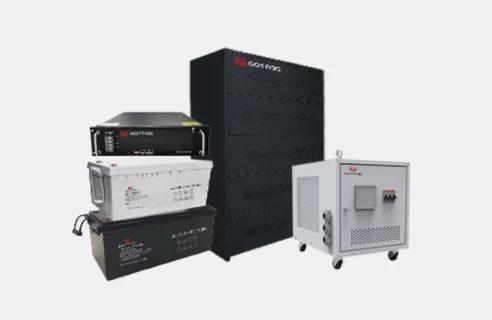
Cost is another major factor. Modular UPS systems allow companies to invest gradually, matching their current power demand and expanding only when necessary. This avoids oversizing and reduces initial capital expenditure. N+1 systems, however, often need to be built with future loads in mind from day one; for example, a site using only 30 kVA may be forced to install a system capable of 100 kVA to meet long-term plans. Because UPS systems operate most efficiently when closer to their rated load, an oversized N+1 system can also result in lower energy efficiency and higher operational costs. Battery configuration is another consideration, as N+1 systems may use centralized or independent battery banks, while modular UPS systems commonly rely on shared or modular battery setups.
How can we help?
Gottogpower provides a full range of power protection solutions—including power planning, data center design, factory testing, ongoing maintenance and remote monitoring. If you are evaluating a modular or redundant UPS configuration, you can reach our team at info@gottogpower.com for support, project consultation or tender submissions.