



High-Performance Computing (HPC) has become a cornerstone of innovation across industries such as scientific research, artificial intelligence, financial modeling, and weather forecasting. HPC clusters now handle massive volumes of data and perform complex calculations at unprecedented speeds, but these capabilities also bring unique challenges to data center infrastructure. Among the most critical is ensuring reliable, high-quality power delivery. Even a brief power disruption or voltage fluctuation can result in hardware damage, computational errors, or costly downtime.

Key Challenges in Powering HPC Data Centers
- High Power Density
Modern HPC racks, especially those equipped with multiple GPU or FPGA accelerators, often exceed 15–20 kW per rack. Traditional UPS systems may struggle to provide stable power at such densities. Insufficient power delivery can cause hotspots, uneven cooling, and reduced equipment lifespan. Data center managers face the dual challenge of meeting immediate power needs while maintaining headroom for future growth. - Sensitive Equipment and Power Quality Requirements
HPC components are highly sensitive to power anomalies. Voltage fluctuations, frequency variations, harmonic distortions, and even minor surges can compromise computational accuracy and reduce hardware reliability. Ensuring clean, stable power is critical for mission-critical applications where downtime or data corruption is unacceptable. - Scalability and Flexibility
HPC workloads are dynamic and often scale rapidly. Traditional monolithic UPS solutions are inflexible; scaling usually requires significant downtime, high upfront investment, and operational disruption. Modern HPC data centers need modular, adaptable UPS architectures that can grow alongside computational demand. - Energy Efficiency and Operational Costs
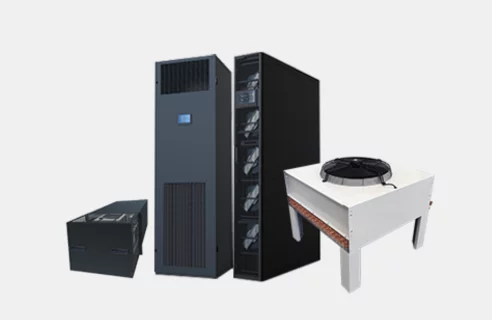
Power and cooling costs are major operational expenditures for HPC facilities. Conventional UPS systems can introduce inefficiencies, increasing PUE (Power Usage Effectiveness) and total energy consumption. Energy-efficient solutions are essential not only for cost reduction but also for sustainability and compliance with increasingly stringent energy regulations.
Gottogpower’s Advanced UPS Solutions for HPC
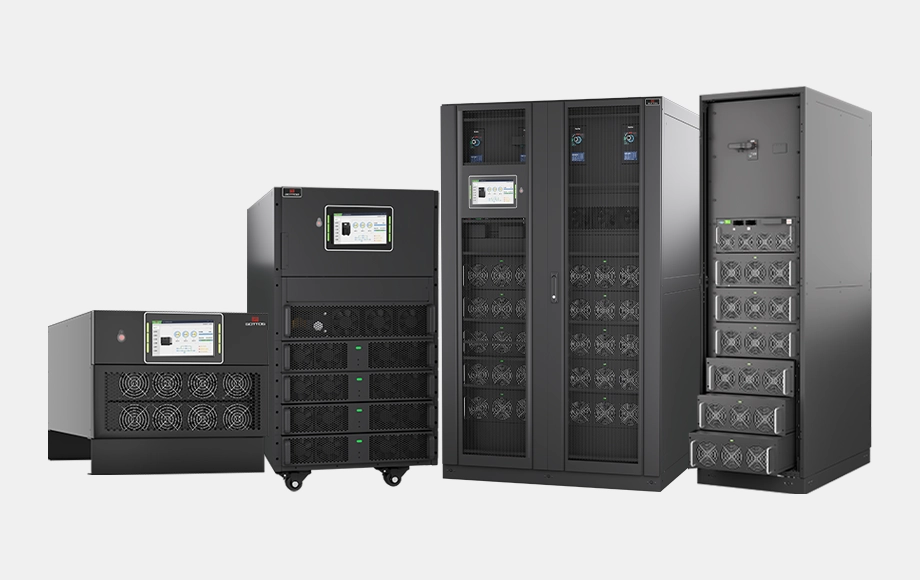
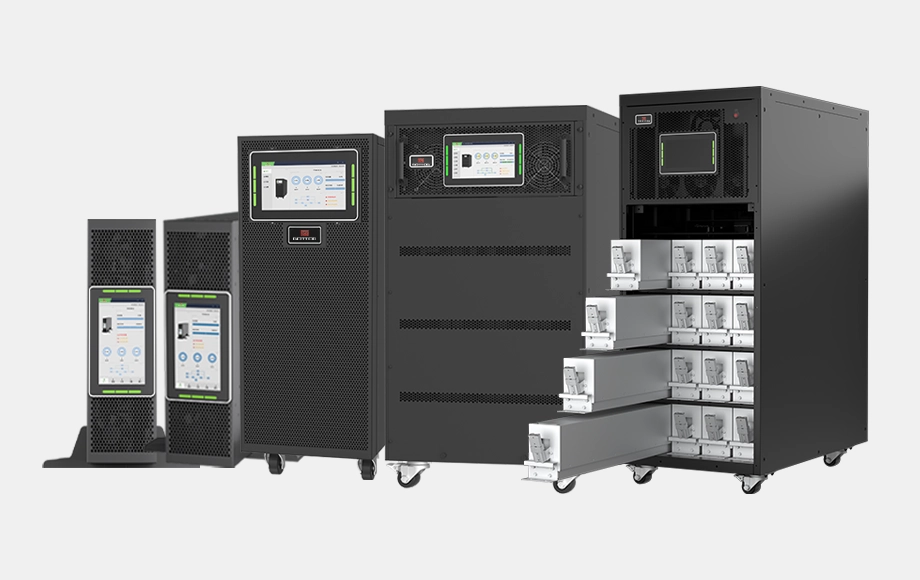
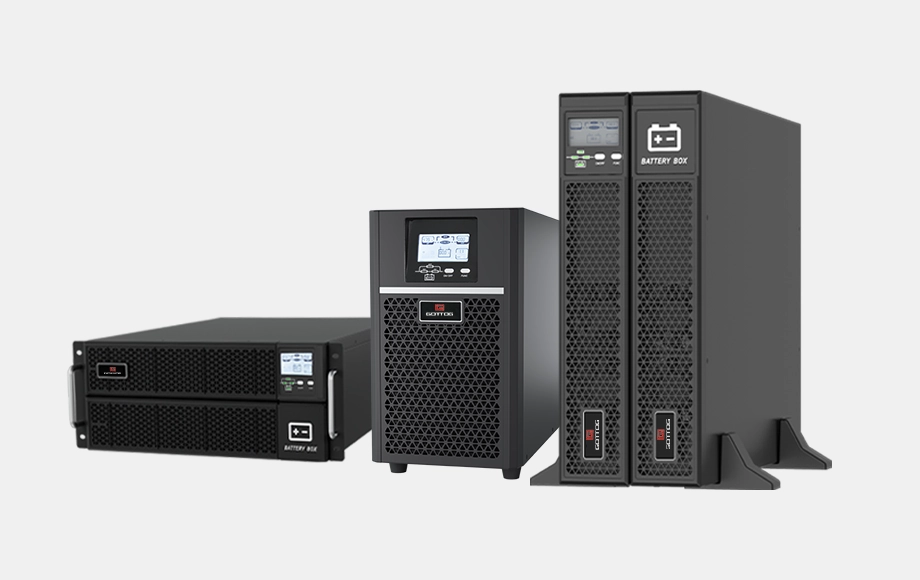
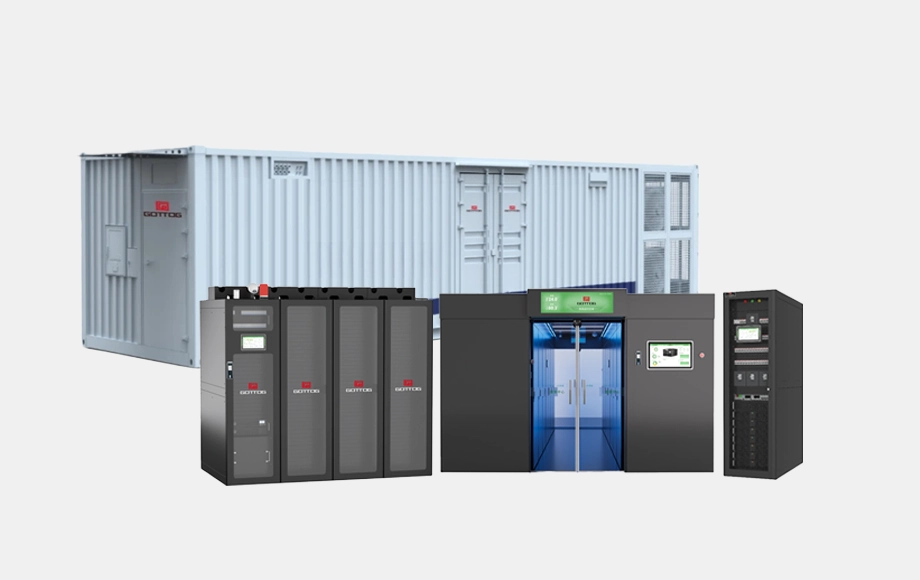
To address these challenges, Gottogpower offers modular, high-performance UPS systems designed for HPC environments. Key features include:
- Modular Architecture for Flexible Scaling
Modular UPS designs allow incremental capacity expansion by adding power modules without interrupting existing operations. This ensures that HPC clusters can scale efficiently while minimizing initial investment and avoiding over-provisioning. - High Availability and Redundancy
With N+X redundancy configurations, Gottogpower UPS systems guarantee continuous power even during module maintenance or failure. This level of reliability is crucial for HPC workloads that cannot tolerate downtime. - Superior Power Quality Management
Advanced UPS technologies regulate voltage, filter harmonics, and stabilize frequency, protecting sensitive HPC components from fluctuations and surges. Intelligent monitoring tools detect anomalies early, reducing the risk of hardware damage or computational errors. - Energy Efficiency and Reduced Operating Costs
Gottogpower UPS systems integrate high-efficiency power modules and intelligent load management, reducing energy consumption while maintaining optimal performance. Lower energy use also translates into reduced cooling requirements, further optimizing operational costs. - Remote Monitoring and Smart Management
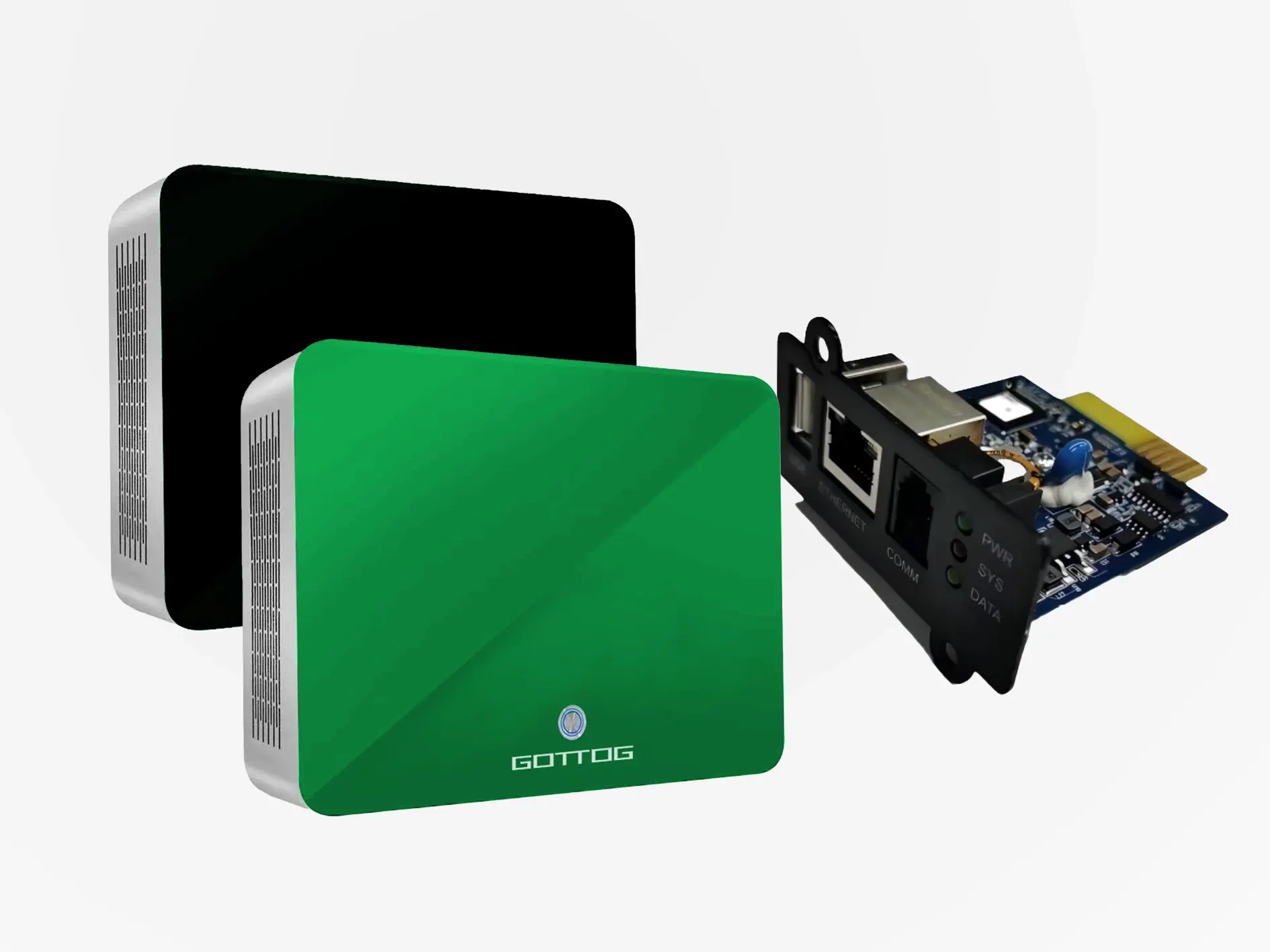
Comprehensive software platforms provide real-time monitoring, predictive maintenance, and remote control capabilities. Data center operators can oversee operations, detect potential issues, and manage energy usage without the need for constant on-site presence.
Case Example: HPC Cluster Deployment
Consider an HPC cluster deployed for AI training workloads, requiring uninterrupted 24/7 power. A traditional UPS system with fixed capacity could not efficiently handle the peak loads without oversizing, resulting in unnecessary energy consumption and higher costs. By deploying a modular Gottogpower UPS, the facility achieved:
- Scalable power expansion as new GPU nodes were added.
- Continuous operation with N+1 redundancy, ensuring zero downtime.
- Energy savings of up to 15% compared to legacy UPS systems.
- Real-time monitoring and predictive alerts, preventing potential power anomalies.
Conclusion
High-Performance Computing is transforming industries worldwide, but its rapid growth places immense demands on power infrastructure. To ensure HPC clusters operate reliably, efficiently, and sustainably, data centers must adopt advanced UPS solutions. Gottogpower’s modular, high-performance UPS systems provide the reliability, scalability, and energy efficiency needed to meet the unique challenges of HPC environments. By investing in such solutions, organizations can protect critical workloads, optimize operational costs, and confidently scale their computational capabilities for the future.