




In recent years, extreme weather events have become increasingly frequent, affecting regions worldwide. Data centers and critical infrastructure systems are particularly vulnerable to these events, which can cause power outages, temperature fluctuations, and other challenges. In this context, Uninterruptible Power Supply (UPS) systems play a crucial role in ensuring continuous operations and protecting sensitive equipment. However, to ensure the reliability of UPS systems under extreme weather conditions, several considerations need to be addressed during both design and maintenance.
The Impact of Extreme Weather on UPS Systems

Extreme weather conditions, such as heatwaves, thunderstorms, heavy snowfall, and flooding, can significantly impact UPS systems. The power supply can be disrupted by storm-related outages, or equipment may experience stress due to temperature and humidity extremes. Common issues include:
- Overheating: High temperatures can cause UPS components to overheat, leading to decreased performance, increased wear, or even failure.
- Flooding: UPS systems are vulnerable to water damage, especially in locations prone to flooding.
- Power Surges: Thunderstorms and lightning strikes can cause surges that damage sensitive UPS systems and other connected equipment.
- Cold Stress: In regions with extremely low temperatures, UPS batteries, especially lead-acid batteries, may freeze, causing a loss of efficiency and potential damage.
Given these risks, ensuring that a UPS system remains reliable in extreme weather conditions requires strategic planning and high-quality design.
1. Temperature Regulation and Cooling Solutions
UPS systems rely on optimal temperature conditions to function correctly. Extreme heat or cold can cause malfunction or permanent damage to critical components, including batteries, capacitors, and power inverters.
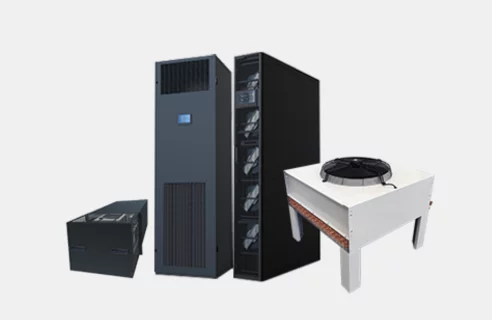
- High-temperature cooling solutions: In regions experiencing heatwaves or prolonged high temperatures, precision air conditioning and liquid cooling technologies can be used to maintain a stable temperature within the UPS enclosure. These systems should be designed to provide continuous cooling under high-temperature conditions without failing.
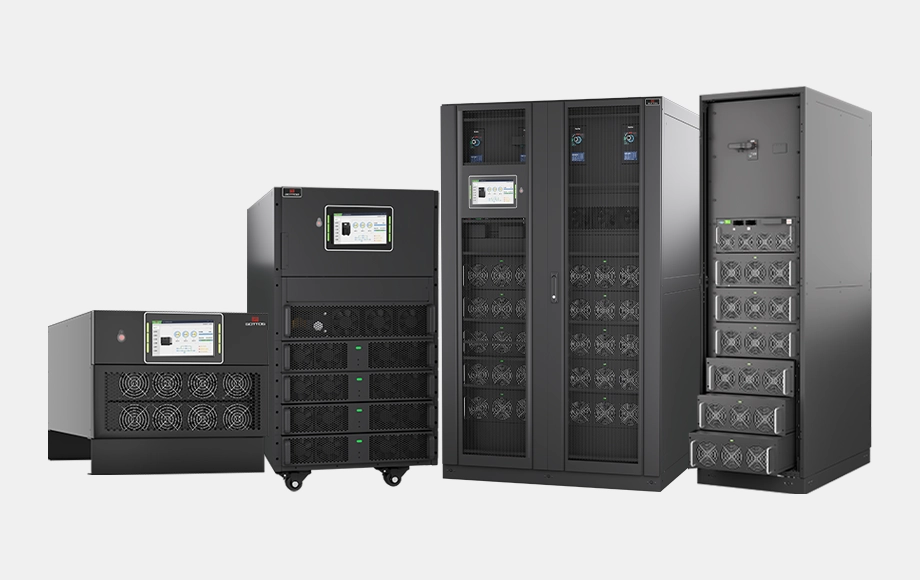
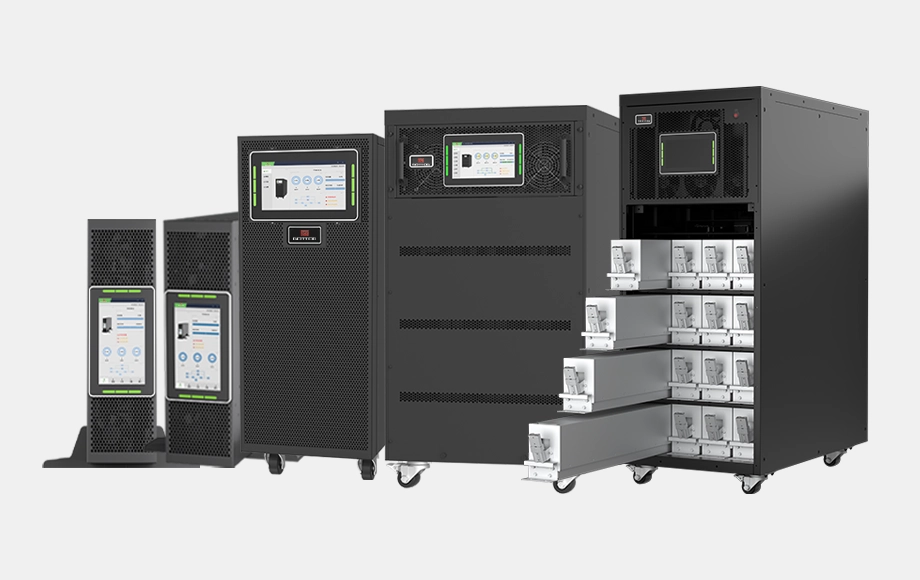
- Climate-adaptive UPS: Some modern UPS models are specifically designed with climate resilience in mind. These systems can adapt to a range of temperatures and include robust thermal protection mechanisms. For example, high-performance modular UPS systems come with improved ventilation systems and can operate effectively in environments with fluctuating or high temperatures.
- Cold-weather protection: In areas prone to freezing temperatures, ensuring the UPS system is designed to withstand low temperatures is critical. Insulated enclosures and anti-freeze battery solutions can protect sensitive components from freezing. Thermal management systems can keep the batteries and power modules within safe operating temperature ranges.
2. Redundant Power Sources and Backup Systems
During extreme weather events, power outages are a significant risk. To ensure that your UPS system continues to provide reliable backup power, it’s important to integrate redundant power sources.
- Dual power feeds: If one power line fails due to storms, a second line can immediately supply power to the UPS system. Additionally, systems with N+1 redundancy will ensure that there is a backup unit that can take over if one module fails.
- Backup Generators: To extend the runtime of UPS systems during prolonged power outages, especially during severe storms, it’s advisable to connect the UPS to a backup generator. This hybrid approach ensures that power is available even if the external grid is down for an extended period.
3. Lightning and Surge Protection
In areas prone to thunderstorms, lightning strikes can result in power surges that damage UPS systems and other critical infrastructure. To protect against this risk, consider the following:
- Surge protectors: Installing surge protection devices (SPDs) on both the incoming power feed and the UPS output ensures that any electrical surges caused by lightning or electrical faults do not harm the UPS system. SPDs are designed to divert excess voltage to the ground, protecting both the UPS and connected equipment.
- Shielded cables: Using shielded cables and grounding techniques can help reduce the risk of electromagnetic interference (EMI) during thunderstorms.
4. Regular Monitoring and Maintenance
Ensuring the reliability of UPS systems in extreme weather conditions also requires regular monitoring and maintenance. Real-time monitoring of UPS performance allows data center managers to quickly identify and address potential issues before they lead to failure. Features like remote monitoring and predictive maintenance can be invaluable for ensuring that UPS systems remain functional during adverse weather conditions.
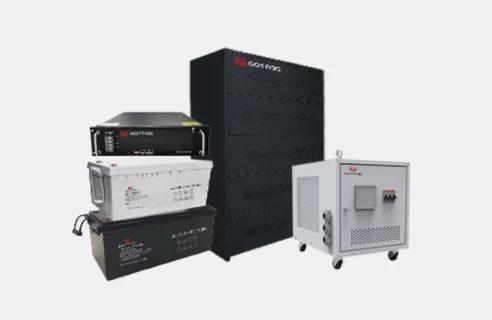
- Battery Health Monitoring: The health of the UPS battery is crucial for its performance during power outages. Regular battery testing, including voltage and temperature checks, can help ensure that batteries will provide reliable backup power when needed.
- Routine Inspections: Ensure that UPS systems are regularly inspected and serviced to check for wear and tear, dust accumulation, and overheating components. Periodic inspections can identify issues that need to be addressed before they impact system performance during an extreme weather event.
5. Choosing UPS Systems Designed for Extreme Environments
When selecting a UPS system for locations prone to extreme weather conditions, it’s essential to choose models that are built for harsh environments. Look for UPS systems that are certified to operate in extreme temperature ranges and environments. Models designed for such conditions often come with features like:
- Enhanced heat resistance
- Waterproof or weather-resistant enclosures
- Ruggedized components designed to withstand vibration and shock from high winds, flooding, or ice storms
By choosing these systems, you can ensure that your UPS operates smoothly, regardless of the environmental challenges it faces.
Conclusion
As extreme weather events become more frequent, ensuring that UPS systems remain operational during power disruptions is critical for the protection of sensitive equipment and operations. Through the implementation of proper cooling solutions, redundant power sources, surge protection, and regular monitoring, data centers and other critical infrastructure can ensure that their UPS systems continue to function reliably in the face of extreme weather. By selecting UPS systems designed for harsh environments and prioritizing ongoing maintenance, businesses can safeguard their operations and avoid costly downtime during critical periods.
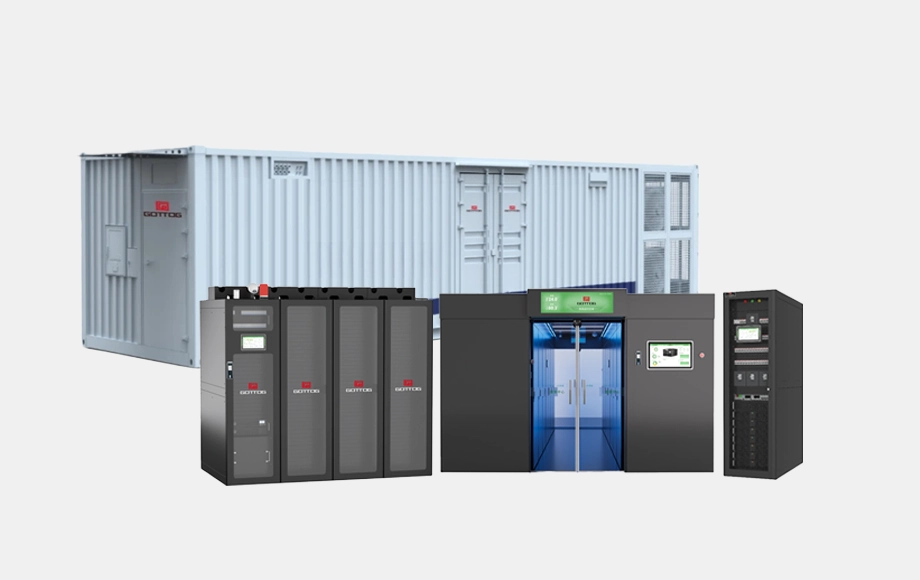
If you’re looking for reliable, high-performance UPS systems that can withstand extreme weather conditions, Gottogpower offers modular UPS solutions designed to provide power protection even in the most challenging environments. Contact us today to discuss your specific needs and how we can help you secure your operations with tailored UPS solutions.