




As technology continues to advance, particularly in fields like artificial intelligence, machine learning, 5G, and big data, data centers are facing unprecedented challenges. Traditional data center architectures are increasingly inadequate to meet the demands of new technologies for both computing power and energy efficiency. To address these changes, data center designs are evolving toward high-density computing and energy efficiency. This article will explore the future design trends of data centers, focusing on high-density computing, energy efficiency, and how to achieve a balance between both.
The Rise of High-Density Computing
1. The Impact of High-Density Computing on Data Center Design
As computing demands increase, driven largely by artificial intelligence, deep learning, and big data analytics, data centers are encountering growing requirements for higher computing densities. In the past, data centers typically used 1U or 2U server racks, but with the widespread use of GPUs, TPUs, and other high-performance computing units, the computing power per rack is now far beyond traditional standards.
In this context, the focus of data center design is no longer just about stacking more devices, but about how to efficiently increase computational power within a limited space. This requires the adoption of new architectures that support high-power-density configurations and layouts. For example, power requirements per rack can exceed 100kW, meaning that the power distribution, cooling, and network connectivity for each rack must be re-engineered to accommodate these increased loads.
2. Cooling Challenges Caused by High-Density Computing
High-density computing devices often generate more heat, which presents significant challenges for cooling systems. To address this issue, data center designers are turning to liquid cooling technologies rather than traditional air cooling. Liquid cooling offers higher thermal conductivity, enabling more efficient heat dissipation in high-density computing environments.
By directly cooling components with liquid, this technology efficiently removes heat from high-performance units, significantly improving cooling efficiency. Additionally, liquid cooling can reduce energy consumption in the cooling process, resulting in a substantial decrease in operational costs for the data center.

Energy Efficiency: The Core of Sustainable Data Centers
1. The Importance of Energy Efficiency
Energy efficiency has become a core consideration in future data center designs. According to industry statistics, cooling and power management systems account for up to 40% to 50% of a data center’s total energy consumption. Therefore, improving energy efficiency is not only essential for reducing operating costs but also for meeting sustainability goals and promoting environmentally friendly practices.
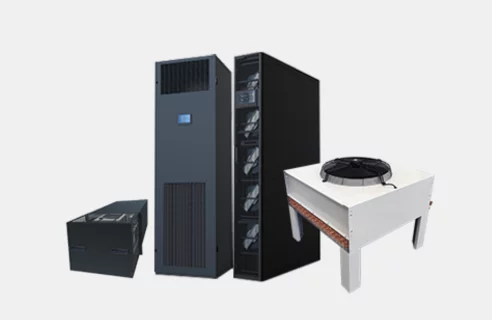
To achieve this, data centers are increasingly adopting efficient energy management and cooling technologies. For example, precision air conditioning systems and liquid cooling technologies allow data centers to reduce energy wastage in the cooling process. Precision air conditioners precisely control temperature and humidity levels, avoiding excessive cooling and thus reducing power consumption.
2. The Shift Toward Renewable Energy
With global concerns about carbon emissions, many data centers are shifting toward renewable energy sources such as solar and wind power. This shift not only reduces dependence on traditional power grids but also helps data centers achieve their carbon-neutral objectives.
Additionally, more enterprises are exploring the use of green power (such as geothermal and hydrogen energy) to supply their data centers with energy. These renewable energy sources provide stable and reliable power while also helping reduce operational costs and supporting greener technologies.
3. The Role of Modular Design in Enhancing Energy Efficiency
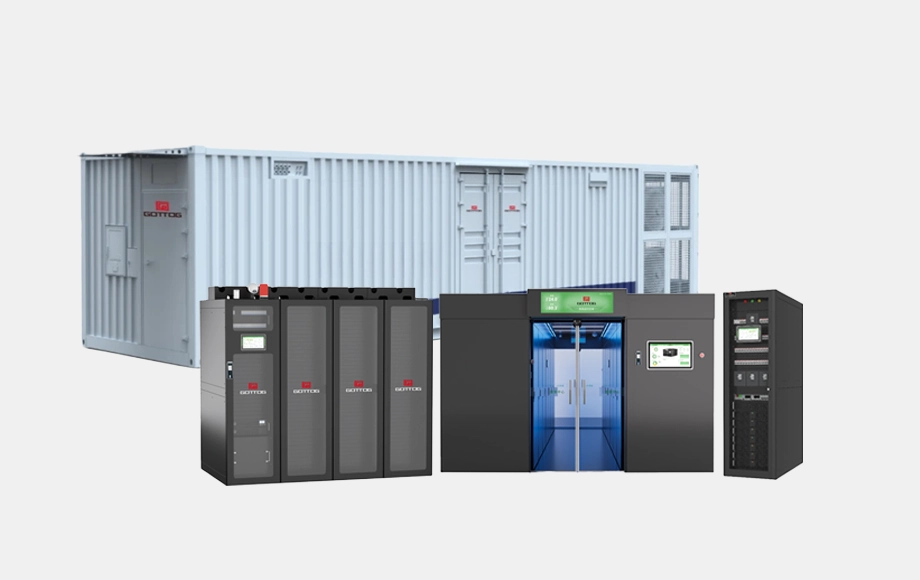
Modular design is one of the key trends in the future of data center architecture. It enables greater flexibility and energy efficiency by integrating computing, storage, cooling, and power systems into modular units that can be deployed independently.
This approach allows data centers to scale quickly and efficiently, adjusting to changing demands while optimizing energy consumption. Modular designs also streamline maintenance and upgrades, providing more efficient expansion paths for future growth.
Balancing High-Density Computing and Energy Efficiency
1. A Design Approach: Balancing High-Density Computing and Energy Efficiency
The future of data center design will focus on finding the ideal balance between high-density computing and energy efficiency. High-density computing requires more power and more efficient cooling systems, but the efficiency of these systems will ultimately determine the overall operating costs and sustainability of the data center.
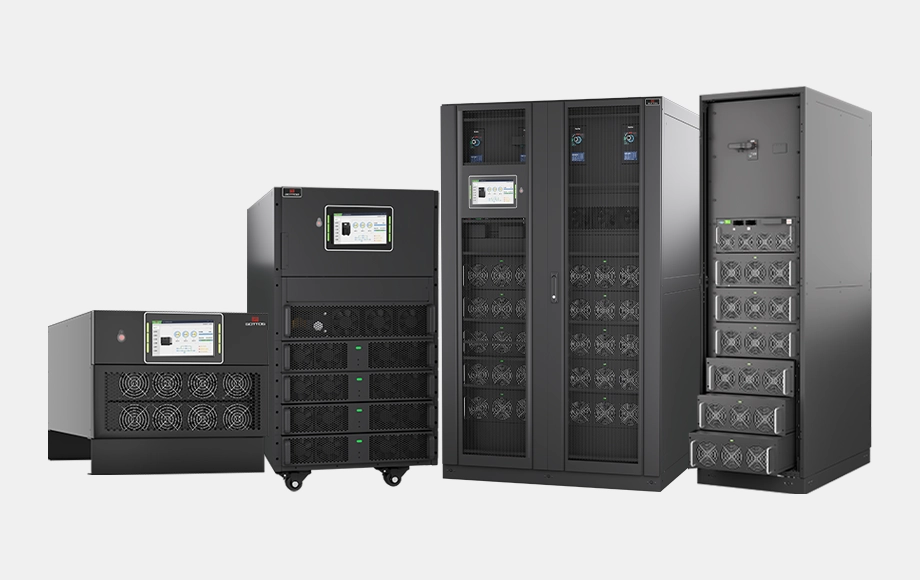
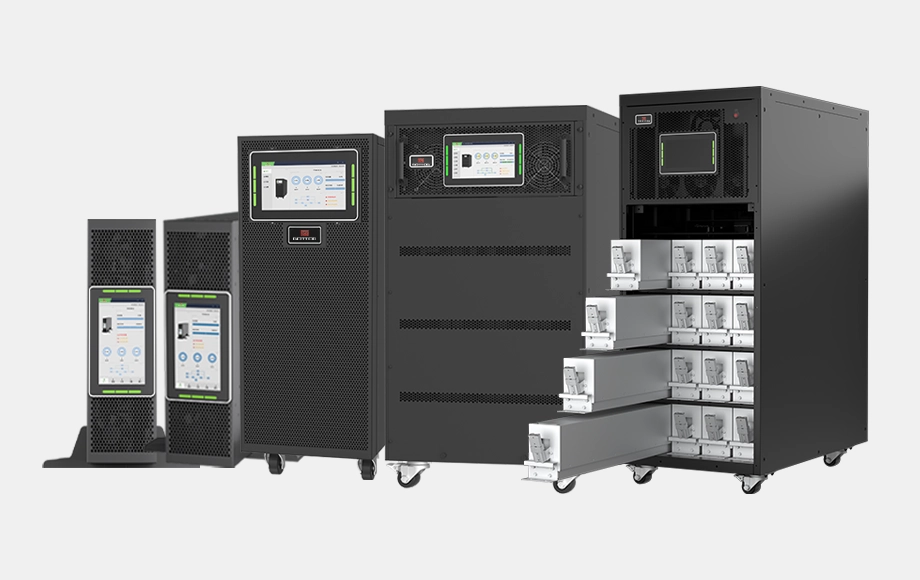
In this context, data center designers must ensure that the power and cooling systems can scale and adapt to changing needs. By adopting modular UPS systems and intelligent energy management, data centers can dynamically adjust power and cooling capabilities based on workload fluctuations, ensuring optimal operational efficiency.
2. The Role of Intelligent Management and Optimization
Intelligent management systems will become an essential part of future data centers. These systems will rely on IoT devices and big data analytics to monitor energy consumption, equipment temperatures, and operational status in real time. Based on this data, operators can quickly identify potential issues, perform preventive maintenance, and avoid energy wastage.
Intelligent energy management systems will not only optimize power distribution but also help reduce operational costs and extend the life of equipment. With efficient energy management in place, future data centers will be able to strike the perfect balance between high-density computing and energy efficiency.
Conclusion
As the demands for both computing power and energy efficiency grow, the future of data center design will place greater emphasis on the integration of high-density computing and energy efficiency. By adopting liquid cooling technologies, renewable energy sources, precision air conditioning systems, and modular designs, data centers will be able to meet the increasing demand for computing power while achieving sustainability goals. With the widespread use of intelligent management systems, future data centers will become more efficient, flexible, and sustainable, providing an optimal environment for both technology and the planet.
If you are looking for efficient, flexible, and sustainable solutions for your future data center design, contact Gottogpower. Our expert team will provide tailored power protection and energy management solutions to ensure the efficient operation of your data center.