



As data centers continue to evolve to support high-performance computing, AI workloads, and high-density servers, traditional air-cooled designs are increasingly reaching their limits. Liquid cooling systems have emerged as a solution capable of handling higher power densities while maintaining energy efficiency. However, the benefits of liquid cooling go beyond thermal management—it directly impacts the power architecture of modern data centers. By integrating cooling strategies with UPS systems, PDUs, and distribution networks, operators can optimize efficiency, reduce losses, and enhance overall reliability.
High-Density Challenges and the Need for Integrated Design
Modern data centers, especially those supporting AI and large-scale cloud services, often exceed 20-50 kW per rack in power density. In such environments, air-cooling systems struggle to maintain safe operating temperatures without drastically increasing energy use. Liquid cooling offers higher heat transfer efficiency, but without proper integration with power systems, it may cause voltage drops, overloading, or unnecessary energy losses.
By coordinating liquid cooling with the data center’s power distribution architecture, operators can:
- Precisely match cooling output with power consumption at the rack level.
- Reduce the total load on chillers and air handling units.
- Improve UPS performance by stabilizing temperature-dependent power electronics.
Modular UPS and Liquid Cooling: A Perfect Match
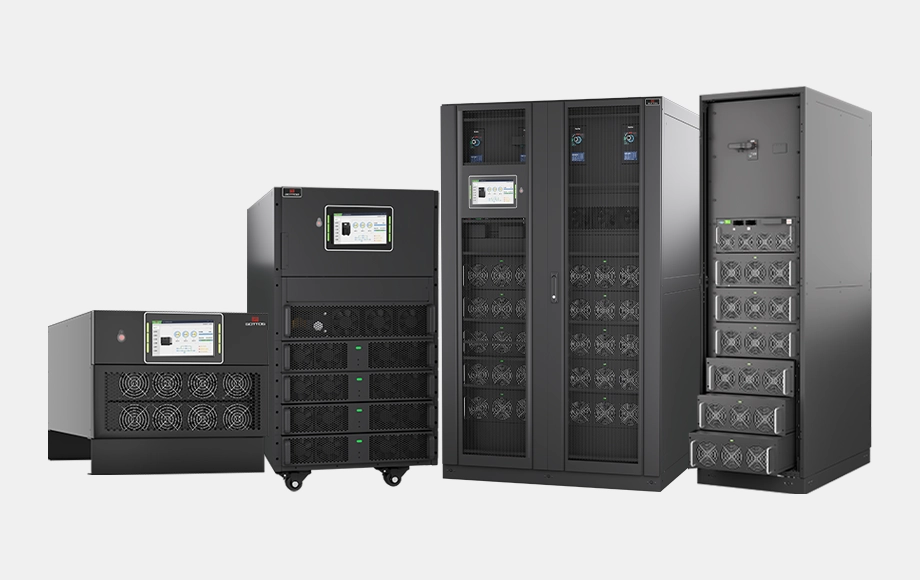
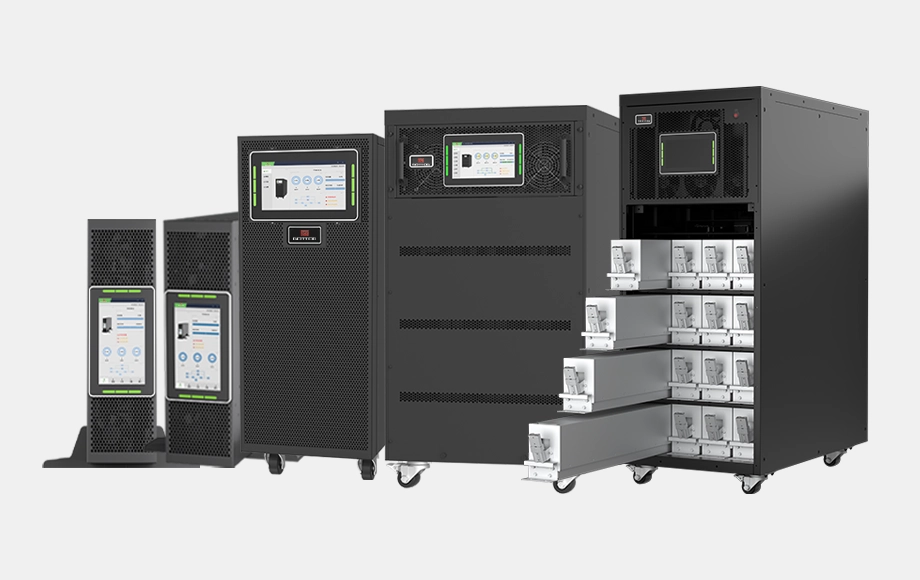
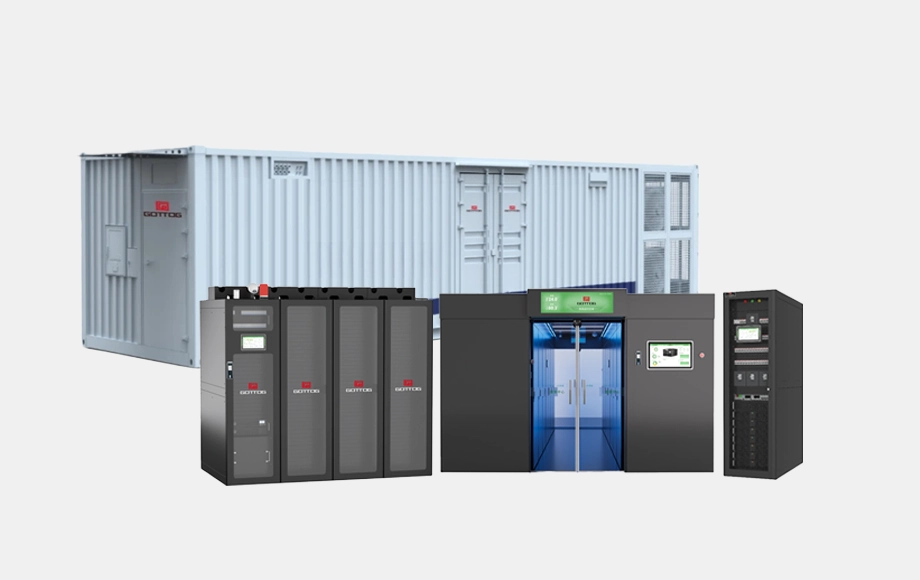
Modular UPS systems, such as Gottogpower’s high-efficiency platforms, complement liquid cooling systems perfectly. With modular UPS, power can be distributed dynamically to meet changing load requirements while maintaining redundancy and reliability. Liquid cooling stabilizes the operating environment, allowing UPS modules to run closer to optimal efficiency without overheating. This synergy minimizes energy waste and improves Power Usage Effectiveness (PUE).

Energy Efficiency and PUE Optimization
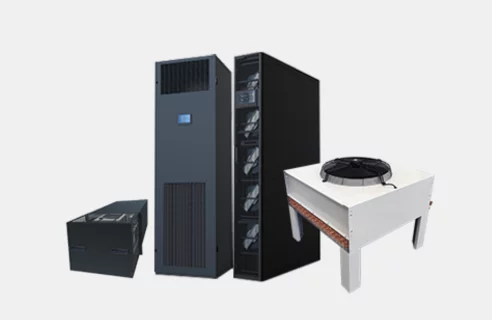
Integrating liquid cooling with a well-designed power architecture significantly improves energy efficiency. Liquid-cooled servers operate at lower inlet temperatures, reducing the cooling load on CRAC units. Meanwhile, modular UPS systems can manage dynamic loads more effectively, avoiding oversized systems running at low efficiency. The result is a measurable reduction in PUE, lower operational costs, and reduced environmental impact.
Design Considerations for Optimal Integration
To fully realize the benefits of liquid cooling and modular UPS integration, data center designers should consider:
- Rack-level power and thermal monitoring to enable real-time adjustments.
- Redundant cooling loops to prevent single points of failure.
- Scalable power infrastructure to match phased deployment of IT equipment.
- Compatibility with high-density liquid-cooled IT modules, including GPU and AI acceleration nodes.
Conclusion: Future-Ready Data Center Infrastructure
Liquid cooling systems are no longer optional—they are essential for high-density, AI-driven, and energy-conscious data centers. When integrated with modular UPS and a robust power distribution network, liquid cooling not only ensures safe and stable operation but also maximizes efficiency and reliability. This coordinated approach enables data centers to handle growing compute demands without compromising sustainability or uptime.
Discover how Gottogpower’s modular UPS solutions can be seamlessly integrated with liquid cooling systems to optimize your data center’s power architecture and efficiency.
Contact us today for a consultation and explore customized solutions for your high-density computing needs.
📧 Электронная почта: info@gottogpower.com