



Оглавление
Поскольку центры обработки данных продолжают развиваться в направлении повышения плотности размещения оборудования, надежности и интеллектуального управления электропитанием, выбор правильного источника бесперебойного питания стал критически важным проектным решением. Среди наиболее распространенных вариантов широко используются ИБП башенного и стоечного исполнения в центрах обработки данных, серверных комнатах и промышленных предприятиях.
Хотя оба устройства обеспечивают надежное резервное электропитание и защиту от перенапряжения, их физические габариты, гибкость развертывания и сценарии применения существенно различаются. Понимание этих различий помогает операторам центров обработки данных избежать чрезмерных инвестиций, обеспечивая при этом долгосрочную стабильность системы.
Понимание систем бесперебойного питания типа Tower UPS
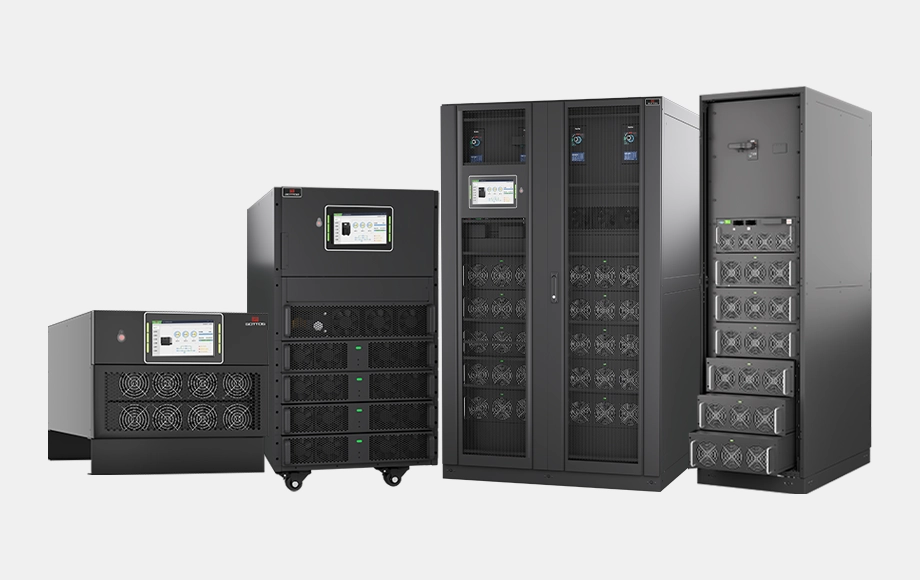
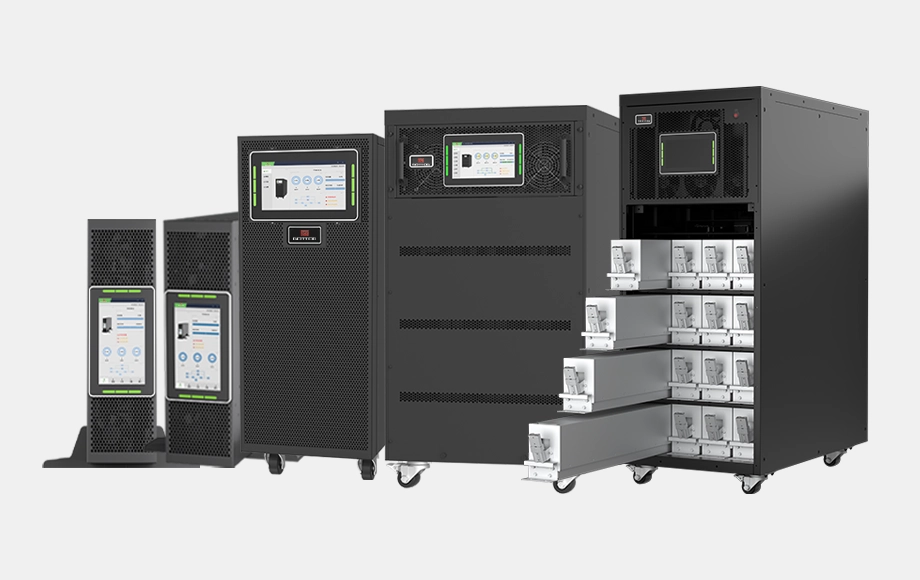
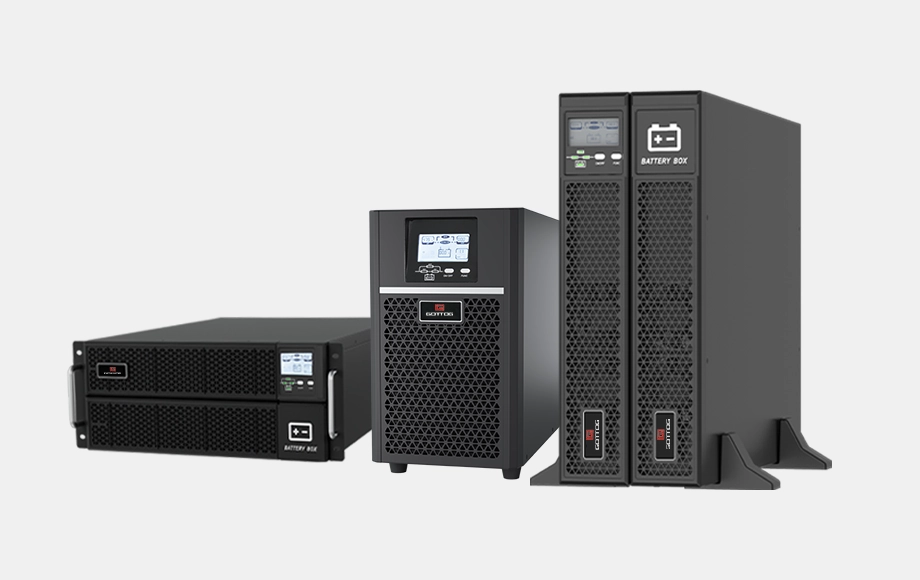
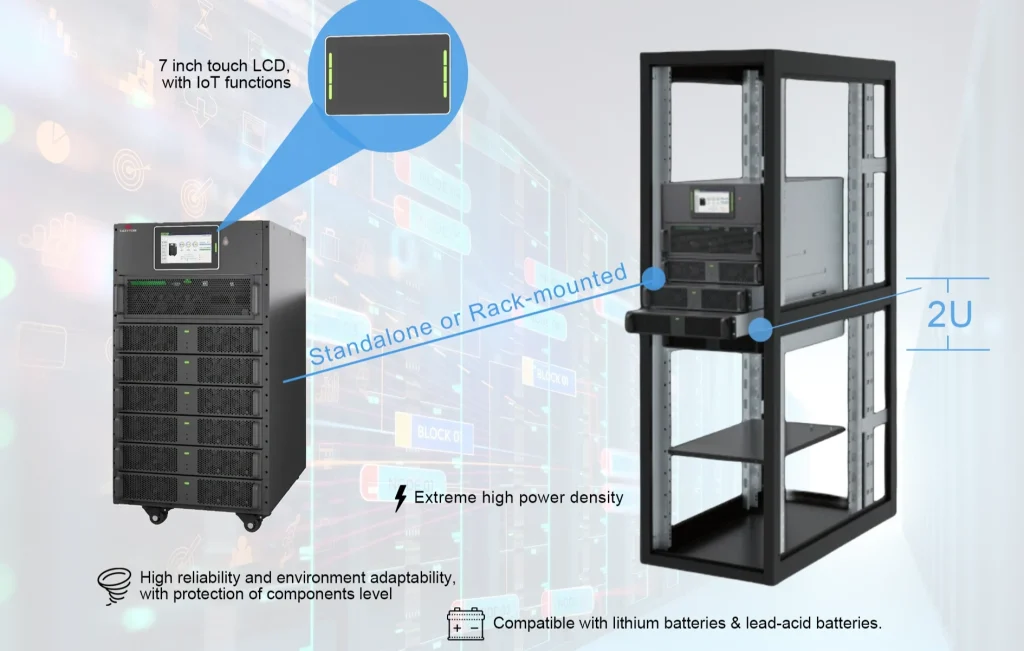
ИБП башенного типа — это напольный источник бесперебойного питания, предназначенный для автономной установки. Его конструкция напоминает вертикальный шкаф и не требует стандартной серверной стойки, что делает его подходящим для сред с ограниченной вместимостью стоек или устаревшей инфраструктурой.
Системы бесперебойного питания башенного типа широко используются в небольших и средних центрах обработки данных, серверных комнатах предприятий, системах промышленного управления, городских сетях связи и медицинских учреждениях. Они особенно подходят для случаев, когда требуется длительное время автономной работы от батарей, поскольку к ним легко можно подключить внешние батарейные шкафы.
С точки зрения эксплуатации, башенные системы бесперебойного питания (ИБП) предлагают просторное внутреннее пространство, упрощенный доступ для обслуживания и гибкую конфигурацию батарей. Эти характеристики делают их практичным выбором для предприятий, которые отдают приоритет простоте обслуживания и адаптивности.
Понимание работы стоечных систем бесперебойного питания
А Источник бесперебойного питания для установки в стойку Он разработан для установки в стандартные 19-дюймовые серверные стойки, что позволяет размещать его рядом с серверами, сетевым оборудованием и системами хранения данных. Такой форм-фактор хорошо соответствует современным принципам проектирования центров обработки данных, которые делают акцент на стандартизации и эффективности использования пространства.
Системы бесперебойного питания (ИБП) для установки в стойку широко используются в центрах обработки данных с высокой плотностью размещения оборудования, центрах облачных вычислений, центрах вычислений искусственного интеллекта и периферийных центрах обработки данных. В таких условиях крайне важны эффективное использование стоек, аккуратная прокладка кабелей и централизованное управление.
Благодаря прямой интеграции в серверные стойки, решения для бесперебойного питания (ИБП) в стоечном исполнении поддерживают модульные архитектуры центров обработки данных и стратегии распределенной защиты электропитания. Они особенно эффективны в средах, где требуется масштабируемость и унифицированное распределение электропитания на уровне стойки.
Вопросы использования пространства и масштабируемости
Экономия пространства — одно из наиболее существенных отличий между башенными и стоечными ИБП. Стоечные ИБП оптимизируют вертикальное пространство стойки и помогают поддерживать организованное размещение оборудования, что крайне важно для центров обработки данных с высокой плотностью размещения оборудования.
Системы бесперебойного питания башенного типа, с другой стороны, занимают место на полу и лучше подходят для помещений с достаточным пространством или существующей планировкой без стоек. Их автономная конструкция позволяет проще расширять емкость и устанавливать батареи без изменения конфигурации стоек.
Если приоритетом является масштабируемость в будущем, оба варианта могут быть эффективны в зависимости от архитектуры системы. Системы ИБП башенного типа обеспечивают простое масштабирование мощности и емкости батарей, в то время как системы ИБП стоечного монтажа легко интегрируются в модульные и масштабируемые конструкции центров обработки данных.
Перспективы надежности и технического обслуживания
С точки зрения защиты электропитания, как башенные, так и стоечные ИБП могут обеспечить высокую надежность при условии использования топологии ИБП с двойным онлайн-преобразованием, резервных конфигураций и надлежащих стратегий технического обслуживания.
Системы бесперебойного питания башенного типа часто предпочтительны в условиях частого технического обслуживания на месте и важной физической доступности. Однако системы бесперебойного питания стоечного типа лучше подходят для централизованного мониторинга, удаленного управления и крупномасштабных развертываний, где операционная эффективность имеет решающее значение.
Выбор подходящего ИБП для различных задач
Системы бесперебойного питания башенного типа идеально подходят для малых и средних центров обработки данных, промышленных предприятий, транспортных коммуникационных систем, а также мест, где требуется длительное время резервного питания и гибкая возможность расширения за счет батарей.
Системы бесперебойного питания для монтажа в стойку лучше подходят для современных центров обработки данных, облачной инфраструктуры, центров обработки данных для ИИ и сред, требующих высокой плотности размещения оборудования в стойках, стандартизированного развертывания и оптимизированного распределения электроэнергии.
В крупных проектах часто применяется гибридный подход. ИБП, устанавливаемые в стойку, защищают основные ИТ-нагрузки, а ИБП, устанавливаемые в башенных корпусах, поддерживают вспомогательные системы или независимые подсистемы, обеспечивая оптимальный баланс между стоимостью и надежностью.
Заключение: Выбор правильного форм-фактора ИБП имеет значение.
Выбор между ИБП башенного типа и ИБП для установки в стойку — это не выбор самого передового варианта, а выбор решения, которое наилучшим образом соответствует проектированию вашего центра обработки данных, эксплуатационным требованиям и планам будущего роста.
Грамотно подобранная архитектура ИБП обеспечивает стабильную основу электропитания для серверов, сетевого оборудования и критически важной инфраструктуры, гарантируя долговременную надежность и эффективную работу в современных центрах обработки данных.
Если вы рассматриваете варианты ИБП башенного или стоечного исполнения для вашего центра обработки данных, свяжитесь с нами. ГОТОВАЯ СИЛА. Мы предоставляем профессиональные консультации, индивидуальные конфигурации ИБП и надежные решения по электропитанию, адаптированные к различным условиям центров обработки данных.