



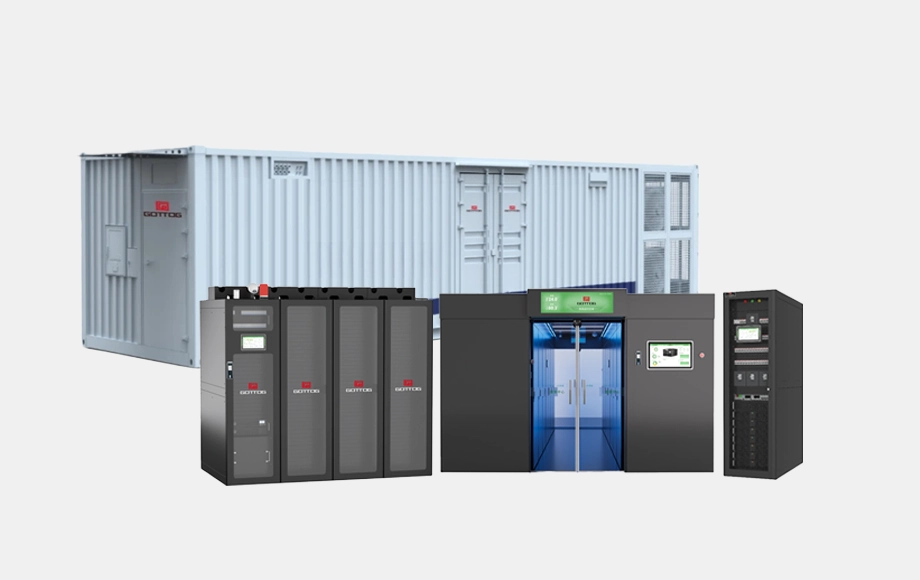
Com o rápido desenvolvimento da tecnologia de inteligência artificial (IA), a demanda por poder computacional está se tornando cada vez mais urgente, especialmente nas áreas de aprendizado profundo e análise de big data. Para atender a essas necessidades de computação de alta velocidade, é necessário otimizar... redes de data center é crucial. Ao lidar com processamento massivo de dados e tarefas computacionais complexas, melhorar a eficiência da transmissão de dados, garantir o fornecimento de energia e controlar a temperatura tornam-se críticos. Este artigo explorará como otimizar redes de data centers de IA para suportar demandas de computação de alta velocidade, sob a perspectiva de sistemas UPS (Uninterruptible Power Supply), ar condicionado de precisão e soluções gerais para data centers.
1. Sistema UPS: Garantindo um fornecimento de energia eficiente e estável
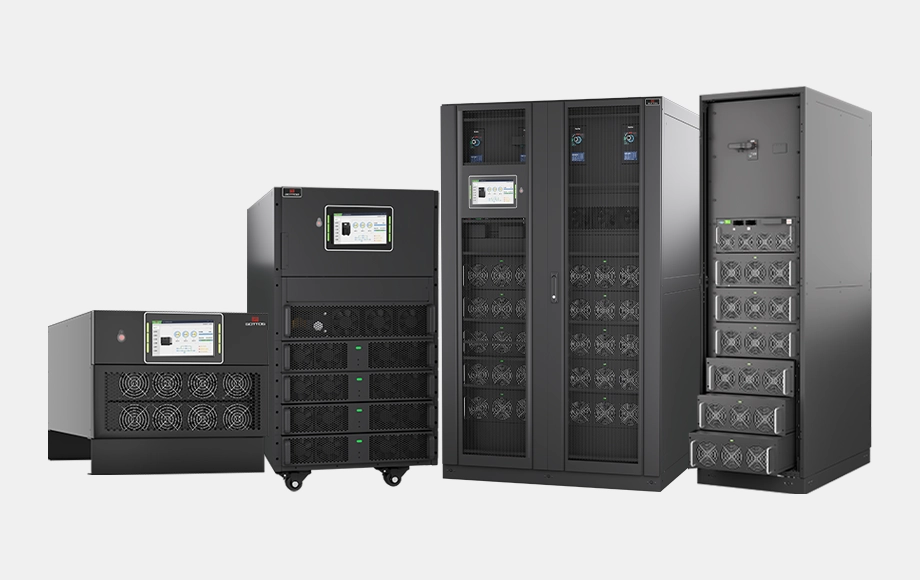
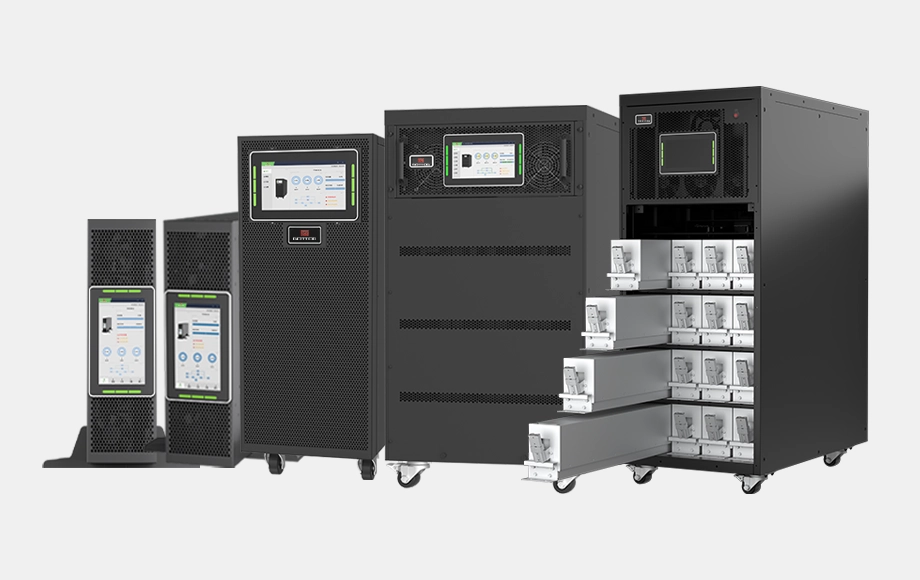
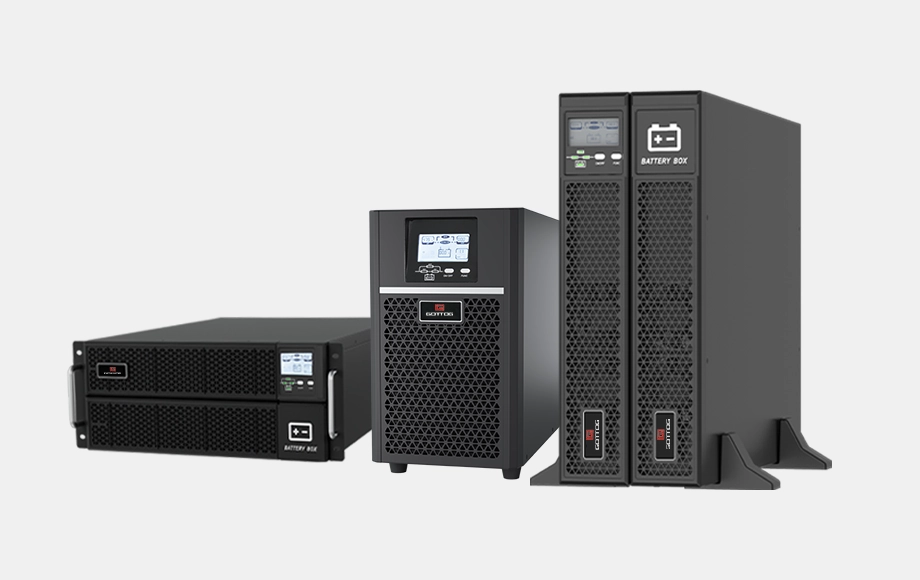
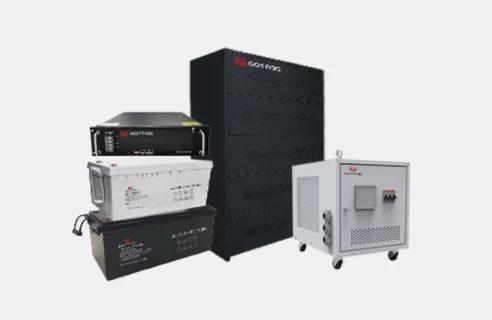
No contexto das aplicações de IA, os centros de dados não só enfrentam demandas computacionais cada vez maiores, como também devem garantir alta disponibilidade e estabilidade. Para assegurar o fornecimento ininterrupto de energia, o papel dos sistemas UPS (Uninterruptible Power Supply - Sistema de Alimentação Ininterrupta) é fundamental. As tarefas computacionais massivas em aplicações de IA normalmente exigem operação estável 24 horas por dia, 7 dias por semana. Portanto, os sistemas UPS precisam possuir as seguintes características:
Alta eficiência e alta confiabilidade: os data centers de IA possuem cargas elevadas em seus equipamentos. Os sistemas UPS devem ser capazes de fornecer backup instantâneo durante quedas de energia e garantir a operação estável de todo o hardware, evitando a perda de tarefas computacionais ou danos aos equipamentos devido a flutuações ou interrupções de energia.
Design modular: O design modular dos sistemas UPS permite maior flexibilidade de expansão, aumentando dinamicamente a capacidade de acordo com as necessidades do centro de dados para atender aos altos requisitos de energia da computação de IA.
Tecnologia verde e de economia de energia: Para reduzir o consumo de energia e os custos operacionais, os modernos sistemas UPS empregam tecnologias eficientes de conversão de energia e sistemas inteligentes de monitoramento e gerenciamento para ajustar o status operacional em tempo real, garantindo que o consumo de energia seja mantido no mínimo.
A otimização do sistema UPS não só garante um fornecimento de energia estável durante a computação de alta carga em centros de dados de IA, como também fornece uma garantia sólida para o funcionamento eficiente do centro de dados.
2. Ar condicionado de precisão: Controle de temperatura otimizado para suportar computação de alta velocidade.
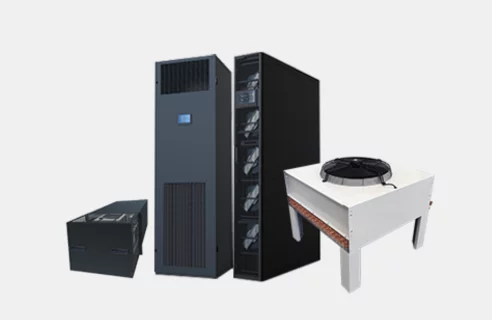
Com o crescimento contínuo da demanda por computação, o calor gerado por servidores e equipamentos de hardware em data centers também está aumentando significativamente. Especialmente em aplicações de IA, as altas demandas computacionais de tarefas como aprendizado profundo consomem enormes quantidades de recursos computacionais, exigindo sistemas precisos de controle de temperatura para gerenciar eficazmente o calor resultante. Ar condicionado de precisão desempenha um papel crucial nesse processo, principalmente das seguintes maneiras:
Controle Preciso de Temperatura: Os sistemas de ar condicionado de precisão controlam com exatidão a temperatura dentro do data center, garantindo que os servidores operem dentro da faixa de temperatura ideal. Temperaturas excessivas podem causar o superaquecimento dos equipamentos de computação, afetando o desempenho, a vida útil dos equipamentos e até mesmo levando a falhas de hardware. O ar condicionado de precisão monitora a temperatura ambiente em tempo real e se ajusta automaticamente conforme necessário, proporcionando um ambiente de trabalho adequado para tarefas de computação de IA.
Gestão Eficiente de Energia: Para reduzir o desperdício de energia, os sistemas de ar condicionado de precisão empregam tecnologias de alta eficiência, como controle de frequência variável e sistemas de refrigeração líquida, reduzindo o consumo de energia e mantendo a eficácia da refrigeração. Durante a computação de IA com alta carga, o sistema pode ajustar o fluxo de ar e a capacidade de refrigeração de forma flexível para atender aos requisitos de controle de temperatura de diferentes tarefas computacionais.

Sistema Inteligente de Controle de Temperatura: Os modernos sistemas de ar condicionado de precisão são equipados com sensores avançados e sistemas de monitoramento inteligentes que ajustam automaticamente as estratégias de controle de temperatura com base na carga térmica em tempo real do data center, alcançando otimização energética dinâmica e reduzindo o consumo geral de energia. Por meio de sistemas de controle de temperatura precisos, os data centers de IA podem operar de forma estável sob tarefas computacionais de alta carga, evitando falhas de equipamentos ou degradação de desempenho devido ao superaquecimento.
3. Otimização do Data Center: Aprimorando o Desempenho Geral da Computação
Os centros de dados de IA não dependem apenas de sistemas UPS e ar condicionado de precisão para fornecer energia estável e um ambiente com controle de temperatura, mas também exigem otimização de projeto geral para atender às demandas de computação de alta velocidade. A otimização de centros de dados inclui os seguintes aspectos:
Projeto de Arquitetura de Rede Eficiente: As tarefas de computação de IA exigem transmissão massiva de dados, portanto, as redes de data centers devem ser caracterizadas por alta velocidade, alta largura de banda e baixa latência. A adoção de tecnologias de rede eficientes pode melhorar a eficiência da transmissão de dados e reduzir gargalos no processo de computação.
Design modular e escalável: Os data centers devem adotar um design modular para facilitar a expansão e as atualizações conforme necessário. A crescente demanda por recursos de computação e armazenamento provenientes de aplicações de IA exige um design de data center que suporte expansão flexível e gerenciamento eficiente.
Integração estreita de armazenamento e processamento de dados: as aplicações de IA têm requisitos extremamente elevados em termos de armazenamento e capacidade de processamento de dados. O uso de tecnologias como a Interação Humano-Computador (IHC) e a computação de borda pode reduzir efetivamente a latência na transmissão de dados, melhorar a utilização dos recursos computacionais e aumentar a eficiência geral dos centros de dados.
4. Integração Global e Gestão Inteligente
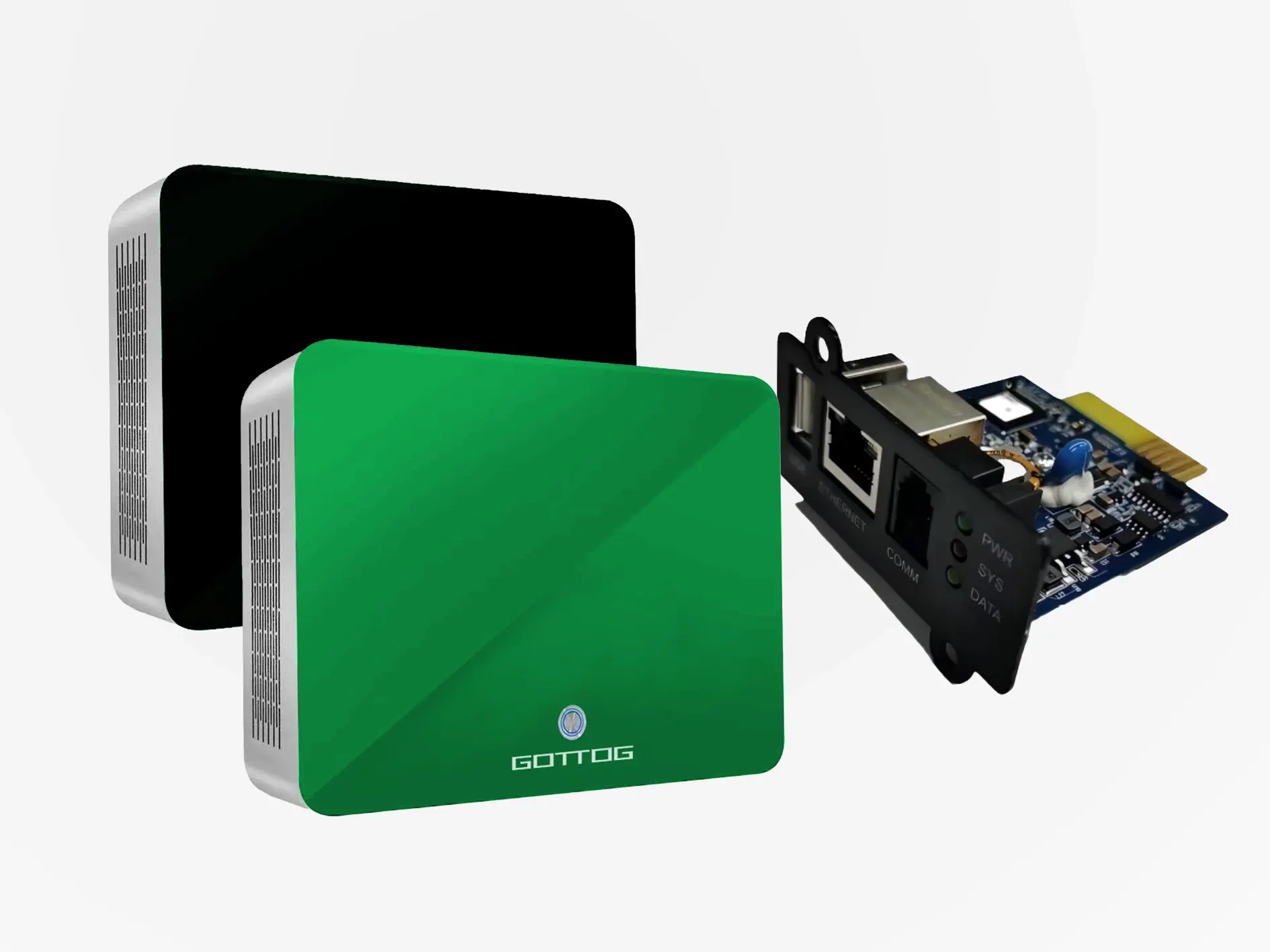
Com o desenvolvimento da inteligência artificial e das tecnologias da Internet das Coisas (IoT), operação de data center A gestão de data centers está gradualmente entrando em uma era de inteligência. Sistemas de gestão integrados podem monitorar o status operacional de diversos dispositivos, como UPS, ar-condicionado de precisão e carga de rede em tempo real, ajustando e otimizando automaticamente o desempenho de cada sistema para garantir que o data center mantenha uma operação eficiente e estável sob diversas cargas de trabalho.
Por meio de gerenciamento inteligente, os data centers podem ajustar dinamicamente o consumo de energia, as estratégias de controle de temperatura e a alocação de recursos computacionais com base em dados em tempo real e modelos de previsão de IA, garantindo a utilização eficiente de diversos recursos e aprimorando ainda mais o desempenho computacional de aplicações de inteligência artificial.
A otimização de redes de data centers com IA exige o ajuste fino de sistemas UPS, ar condicionado de precisão e o projeto arquitetônico geral do data center. Ao aprimorar a confiabilidade do fornecimento de energia, otimizar as estratégias de controle de temperatura e aumentar a eficiência da transmissão de dados, as demandas da computação de alta velocidade podem ser atendidas de forma eficaz. Com os avanços tecnológicos, essas soluções de otimização continuarão a ser aprimoradas, promovendo a popularização e a aplicação da tecnologia de IA em diversos setores. GOTTOGPOWER se dedica a fornecer soluções avançadas para ajudar os centros de dados a melhorar o desempenho e atender às crescentes demandas de computação.