



Índice
Introdução
A modular UPS (Fonte de alimentação ininterrupta) is a scalable power protection system designed for modern IT environments, especially data centers, where power availability, flexibility, and efficiency are critical. Unlike traditional monolithic UPS systems, a modular UPS is built using multiple independent power modules that can be added or removed based on load requirements. This architecture fundamentally changes how backup power systems are deployed and managed in high-density computing environments.
Modular UPS Architecture
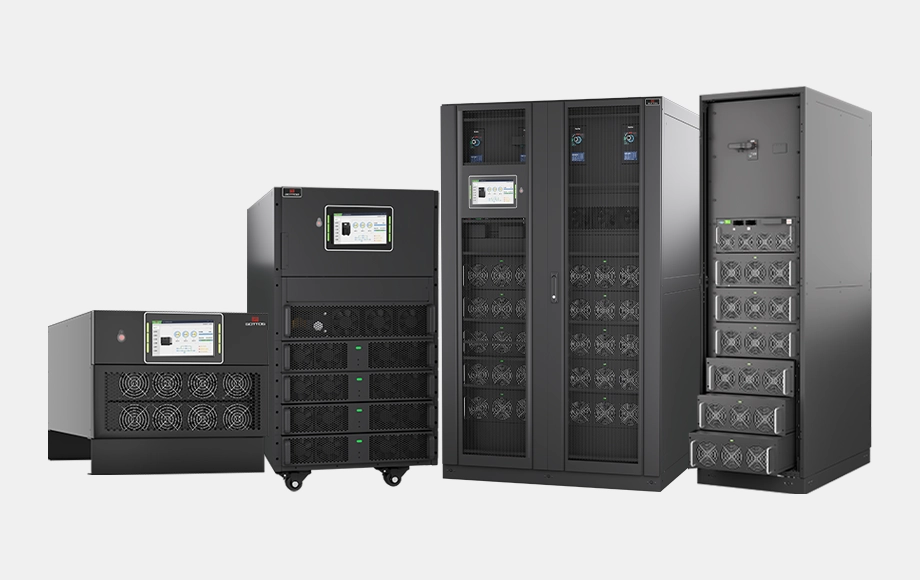
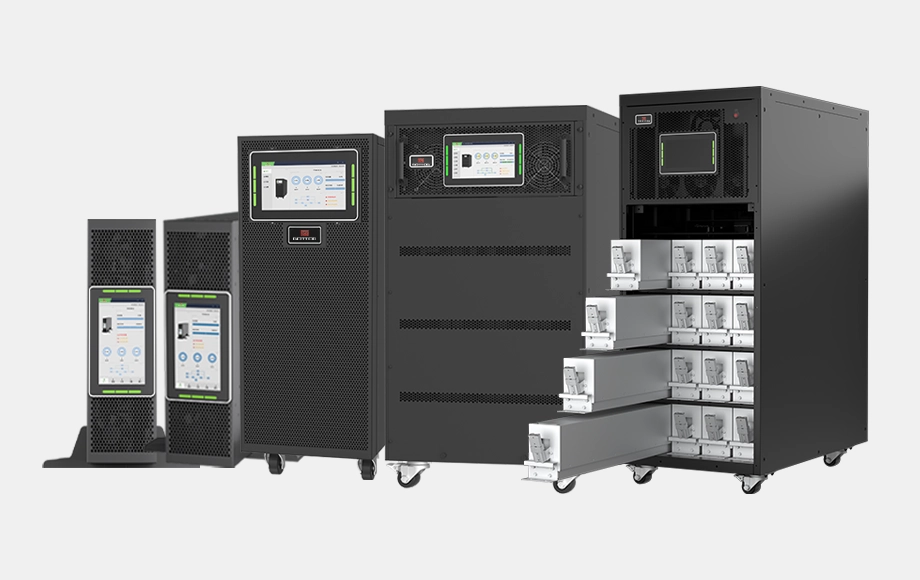
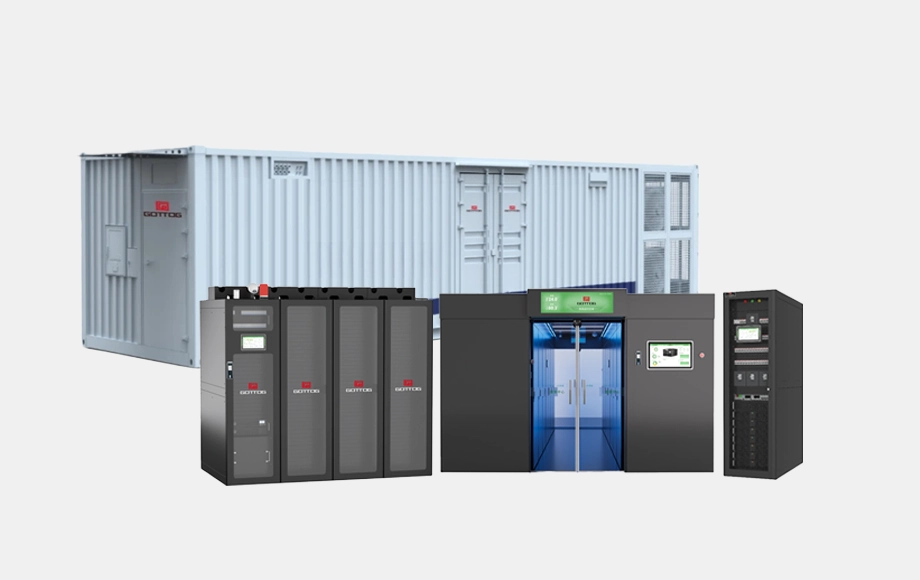
The core idea behind modular UPS architecture is functional separation and scalability. Instead of relying on a single large power block, the system is composed of smaller UPS power modules, battery modules, and a centralized control system.
Each power module operates independently but works in parallel with others inside a shared frame or cabinet. When load demand increases, additional modules can be inserted without shutting down the system. Similarly, faulty modules can be hot-swapped without interrupting output power.
At a system level, modular UPS architecture typically includes:
- Power modules (convert and regulate power)
- Static bypass module (ensures continuity during faults)
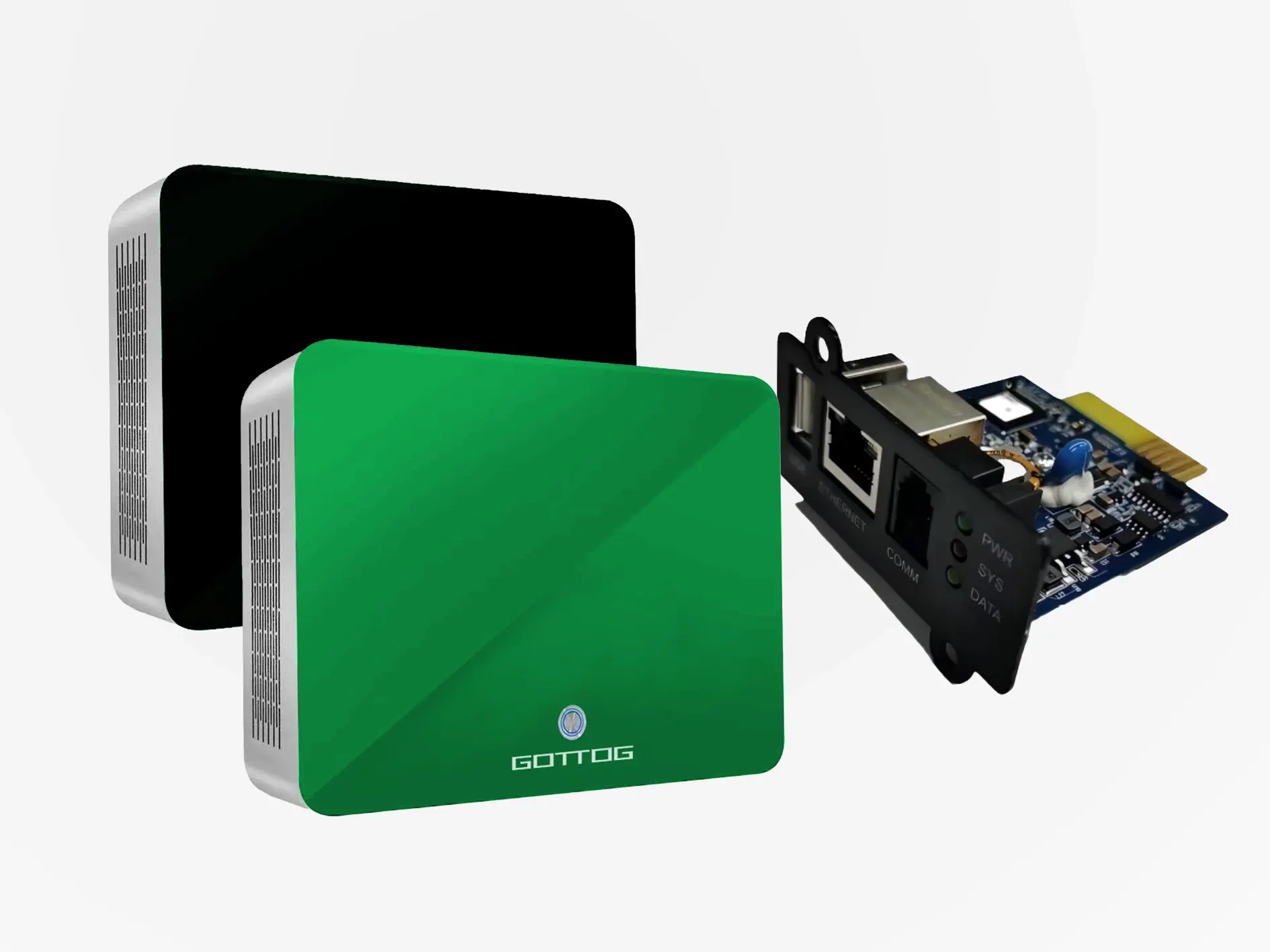
- Control and monitoring unit (manages load distribution and system health)
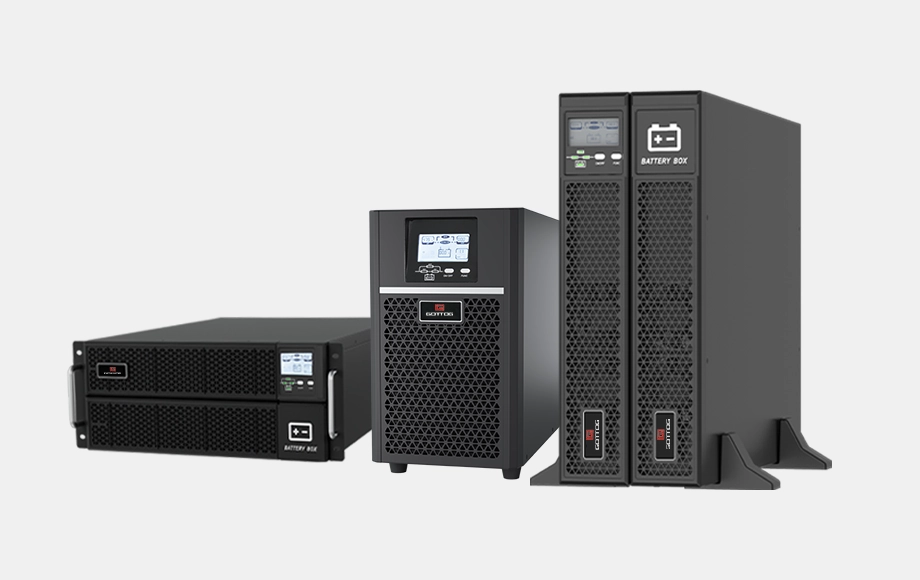
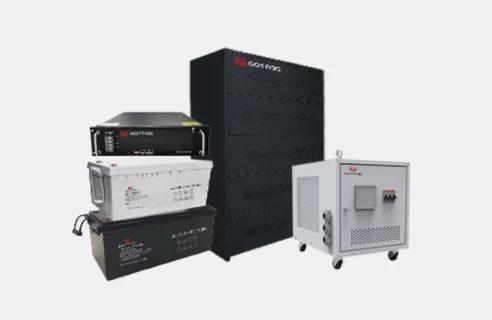
- Battery system (supports backup energy storage)
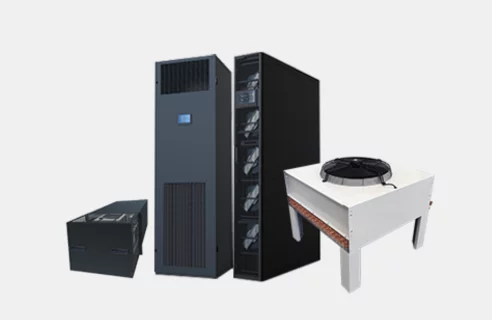
- Rack or cabinet structure (physical housing and airflow design)
This distributed design allows the system to scale incrementally, aligning capacity directly with actual load growth rather than over-provisioning upfront.
Key Benefits of Modular UPS Systems
1. Scalability and Flexible Expansion
One of the most significant advantages of modular UPS systems is scalability. Data centers can start with a smaller capacity and gradually expand by adding modules as demand increases. This avoids the high upfront investment typical of traditional UPS systems and reduces stranded capacity.
In environments like cloud computing or AI infrastructure, where load growth is unpredictable, this flexibility becomes a critical operational advantage.
2. Higher System Availability
Modular UPS systems are designed with redundancy at the module level. If one module fails, the remaining modules continue to support the load without interruption. This improves overall system reliability and supports configurations such as N+1 redundancy.
Hot-swappable modules further enhance uptime by allowing maintenance or replacement without system shutdown, which is essential for mission-critical environments like financial services, telecom networks, and hyperscale data centers.
3. Improved Energy Efficiency
Traditional UPS systems often operate inefficiently under partial load conditions. Modular UPS systems, however, allow operators to run only the required number of modules based on actual demand. This keeps each module operating closer to its optimal efficiency range.
As a result, modular UPS deployments typically achieve higher overall efficiency and lower energy waste, contributing to reduced operational costs and improved Power Usage Effectiveness (PUE) in data centers.
4. Reduced Maintenance Complexity
Maintenance in modular UPS systems is more granular. Instead of servicing a single large unit, technicians can isolate and replace individual modules. This reduces downtime risk and simplifies troubleshooting.
Advanced systems also include intelligent monitoring capabilities that provide real-time diagnostics, predictive maintenance alerts, and performance analytics, enabling proactive infrastructure management.
Data Center Applications of Modular UPS
Modular UPS systems are now widely adopted across multiple data center tiers due to their adaptability and operational advantages.
1. Hyperscale Data Centers
In hyperscale environments operated by large cloud providers, power demand can scale rapidly with workload expansion. Modular UPS systems support this growth model by allowing incremental capacity expansion without major infrastructure redesign.
2. Edge Data Centers
Edge computing facilities require compact, distributed, and reliable power systems. Modular UPS units are ideal for these environments because they can be deployed in smaller footprints while still supporting redundancy and scalability.
3. Enterprise and Colocation Data Centers
For enterprise IT and colocation providers, modular UPS systems offer a balance between cost efficiency and reliability. Businesses can align UPS capacity with tenant demand or internal IT growth, improving capital utilization.
4. AI and High-Density Computing Environments
AI workloads and GPU-intensive computing clusters introduce highly variable and dense power loads. Modular UPS systems help stabilize these environments by distributing load across multiple power modules and supporting rapid scaling as compute density increases.
Modular UPS vs Traditional UPS Systems
The fundamental difference lies in architecture philosophy.
Traditional UPS systems are centralized and fixed in capacity. Once installed, scaling often requires replacing or overbuilding the entire system.
Modular UPS systems, on the other hand, follow a distributed and scalable design approach. They enable incremental expansion, higher efficiency under variable loads, and improved fault tolerance.
This makes modular UPS systems significantly better suited for modern digital infrastructure, where flexibility and uptime are critical.
| Comparison Aspect | UPS modular | Traditional UPS |
| Arquitetura do sistema | Distributed, composed of multiple independent power modules within one system | Monolithic, single integrated unit |
| Escalabilidade | Highly scalable; capacity can be expanded by adding modules (pay-as-you-grow) | Limited scalability; requires adding another full UPS system |
| Initial Investment | Lower upfront cost; start with minimum required capacity | Higher upfront cost; often oversized to allow future growth |
| Redundancy Design | Built-in N+X redundancy at module level | Redundancy achieved through parallel systems (external configuration) |
| Manutenção | Hot-swappable modules; maintenance without downtime | Maintenance may require partial or full system shutdown |
| Confiabilidade | Higher availability due to distributed redundancy; failure isolated to a module | Single point of failure risk within the unit |
| Efficiency at Low Load | Higher efficiency in partial load conditions due to module optimization | Lower efficiency when operating below rated capacity |
| Pegada | Compact and space-saving | Larger footprint for equivalent capacity |
| Tempo de implantação | Faster installation and easier system expansion | Longer deployment and upgrade cycles |
| Lifecycle Cost (TCO) | Lower TCO due to energy savings, scalability, and reduced downtime | Higher TCO due to inefficiencies and upgrade complexity |
| Best Use Cases | Data centers, cloud computing, edge data centers, growing IT infrastructure | Industrial applications, legacy systems, stable load environments |
Conclusão
Modular UPS systems represent a major evolution in power protection technology for data centers and critical infrastructure. Their modular architecture provides scalability, redundancy, and efficiency that traditional UPS systems cannot easily match.
As data centers continue to evolve toward AI-driven workloads, edge computing, and higher power density environments, modular UPS solutions are becoming a foundational component of next-generation power architecture.
For organizations planning future-ready infrastructure, adopting modular UPS systems is no longer just an optimization—it is a strategic necessity for scalability and resilience.
If you’re looking to future-proof your power infrastructure, now is the time to evaluate modular UPS solutions. Contact GOTTOGPOWER to explore the right configuration for your data center and get a tailored recommendation based on your load, scalability, and redundancy requirements.