



Índice
Data centers are critical to the modern economy, powering everything from cloud computing to e-commerce, healthcare, and financial systems. As the need for data storage and processing capacity grows, maintaining continuous power becomes paramount. A high-power uninterruptible power supply (UPS) system is essential to ensuring that data centers can operate without interruptions. This article explores the deployment practices of high-power UPS systems, outlining why they are critical for data center reliability and the best strategies for implementing them.
What is a High-Power UPS System and Why is it Critical for Data Centers?
A high-power UPS system is designed to provide uninterrupted electrical power to a data center’s critical infrastructure. Unlike smaller UPS units that power individual devices or workstations, high-power UPS systems are intended to support the large-scale, power-hungry equipment found in data centers, such as servers, storage devices, networking hardware, and cooling systems. These systems typically have capacities ranging from 100 kVA to over 1000 kVA, making them suitable for handling the high load requirements of large data centers.
For a data center to function smoothly, power reliability is crucial. Even short power outages or disruptions can cause significant damage, including data loss, downtime, and harm to expensive hardware. High-power UPS systems ensure that data centers maintain a consistent power supply, protecting operations from potential interruptions. The high capacity of these UPS systems guarantees that they can handle peak power demands, delivering clean and stable electricity even during outages.
Why Data Centers Require High-Power UPS Systems
Data centers are the backbone of modern digital infrastructure, supporting everything from cloud-based applications to massive data processing needs. The equipment in a data center, including servers, routers, and storage systems, is essential to the ongoing operations of organizations, and any power disruption can lead to costly downtime and data loss. The following factors highlight why a high-power UPS system is indispensable for data centers:
- Continuous Power Supply: Data centers cannot afford any interruptions in power, even for a few minutes. A high-power UPS system acts as a backup to ensure continuous power, allowing operations to continue without interruption, even during power outages.
- Support for Heavy Loads: Data centers host high-performance servers and other equipment that require substantial power. High-power UPS systems are specifically designed to support these heavy loads, ensuring that each piece of equipment receives stable power to function optimally.
- Escalabilidade e Flexibilidade: As data center needs grow, so does the power demand. High-power UPS systems offer the flexibility to expand and scale, making it easier to add additional modules or capacity as required by the growing infrastructure.
- Power Quality Assurance: A high-power UPS system not only ensures that power remains uninterrupted but also provides clean and stable power. By filtering out surges, spikes, and other electrical anomalies, these systems protect sensitive equipment from potential damage due to poor-quality electricity.
Types of High-Power UPS Deployments in Data Centers
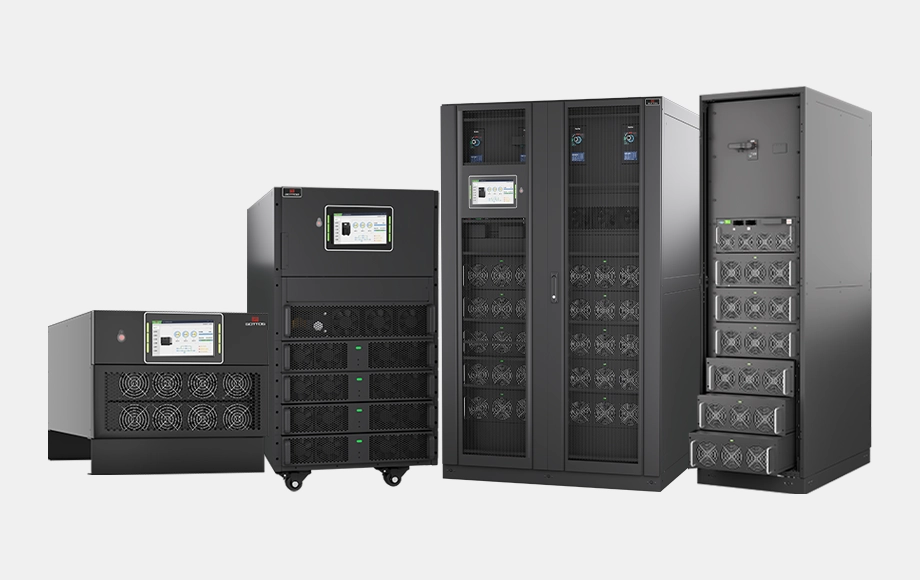
When deploying high-power UPS systems in data centers, enterprises need to choose from diverse deployment approaches. Modular UPS solutions are increasingly favored for their superior scalability and operational flexibility.
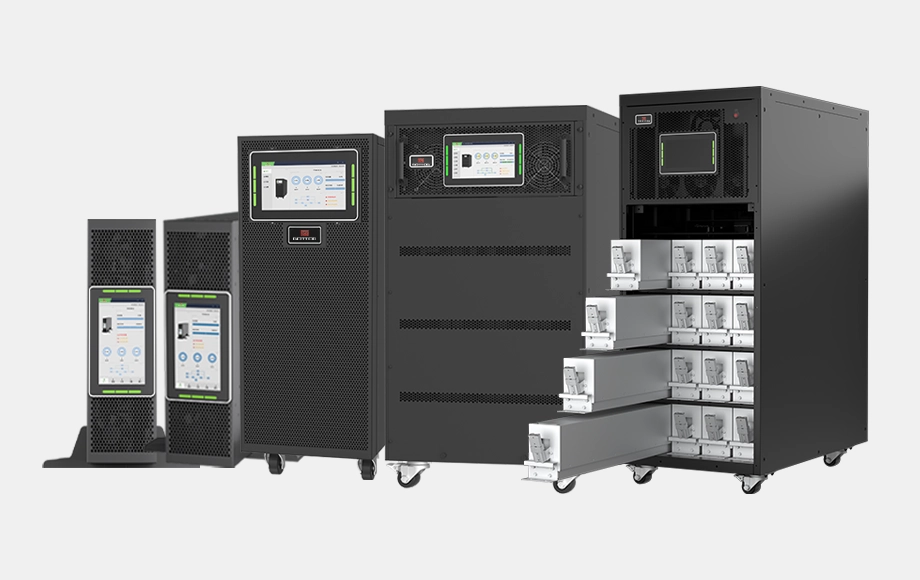
Modular UPS systems offer a highly flexible, scalable, and reliable power protection solution for modern data centers. Unlike centralized or distributed UPS systems, which often require substantial infrastructure changes to accommodate future growth, modular UPS systems allow data centers to scale their power capacity incrementally, as their needs evolve.
One of the standout features of modular UPS systems is their ability to easily expand capacity. These systems are designed with individual modules that can be added or removed based on the data center’s changing power requirements. This modularity eliminates the need for significant upfront investment in oversized systems and allows for cost-efficient growth. As the data center’s power demand increases, additional modules can be seamlessly integrated into the existing system without disrupting operations or requiring major changes to the facility’s infrastructure.
In addition to scalability, modular UPS systems are built for redundancy. Most modular UPS designs feature N+1 redundancy, meaning that the system includes one or more extra modules to take over in case of failure. This ensures that even if one module fails, the remaining modules continue to supply power, ensuring no interruption to critical operations. This redundancy design is crucial in data centers where uptime is paramount and even a brief power loss can have significant consequences.
Modular UPS systems also excel in ease of maintenance. With centralized systems, maintenance often requires shutting down the entire system, leading to potential downtime. However, with modular systems, individual modules can be serviced or replaced without affecting the overall power supply. This feature is vital for data centers that cannot afford even a short disruption in their operations. Moreover, the ability to replace modules without shutting down the system ensures that the UPS remains in peak operational condition, enhancing the long-term reliability of the data center’s power infrastructure.
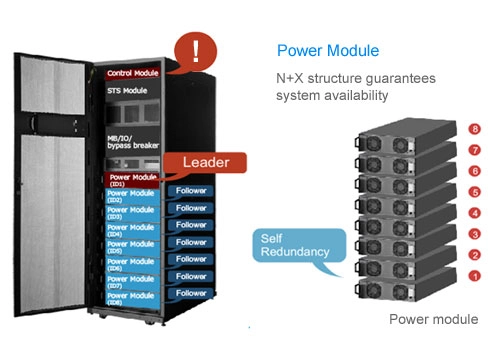
Compared to centralized UPS systems, which typically involve a single large unit that powers the entire data center, and distributed UPS systems, which require deploying multiple smaller units, modular UPS systems provide a balanced approach. They offer the redundancy and flexibility of distributed systems while minimizing the complexity and maintenance overhead. Additionally, the cost of upgrading a centralized system is often high, requiring a complete replacement or major overhaul, whereas a modular system allows for easy and cost-effective upgrades over time.
In summary, modular UPS systems provide an ideal solution for data centers looking for a scalable, reliable, and low-maintenance power protection system. Their flexibility and ease of expansion make them particularly well-suited for environments where power needs are continuously evolving, ensuring that data centers can maintain high availability without significant upfront or ongoing costs.
How to Choose the Right High-Power UPS for Your Data Center
When selecting a high-power UPS system for a data center, several important factors must be considered to ensure that the system will meet both current and future needs. Here are some of the key considerations:
1. Capacity Planning and Load Analysis
The first step in selecting a high-power UPS system is to conduct a load analysis to determine the power requirements of all critical equipment in the data center. This analysis should account for the peak power demand during high-traffic periods and include projections for future expansion. Choosing the right capacity is crucial; undersizing the system may result in power shortages, while oversizing can lead to unnecessary energy consumption and higher operational costs.
2. Choosing the Right Battery Technology
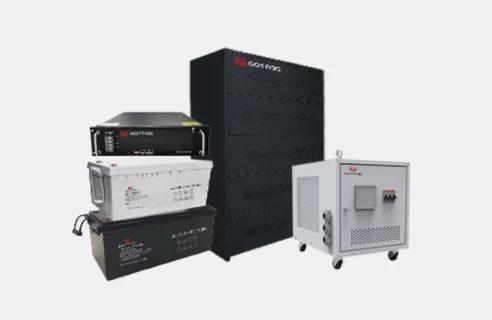
High-power UPS systems rely on batteries to provide backup power. The type of battery technology selected will impact the UPS system’s performance, reliability, and operational costs. The two most common battery technologies used in high-power UPS systems are lead-acid batteries and lithium-ion batteries.
- Lead-acid batteries are widely used due to their affordability, but they require more maintenance and have a shorter lifespan compared to lithium-ion batteries.
- Lithium-ion batteries are more expensive upfront but offer longer life cycles, lower maintenance, and higher efficiency, making them a better choice for data centers with high uptime requirements.
3. Energy Efficiency and Operational Cost
Energy efficiency is a key factor in minimizing the operational costs of a high-power UPS system. Choosing an energy-efficient UPS can significantly reduce electricity consumption and lower overall operating expenses. High-efficiency UPS systems with features like power factor correction and advanced cooling are ideal for large data centers where energy usage is a major concern.
4. Redundancy and Reliability
Redundancy is a critical requirement for any data center UPS deployment. High-power UPS systems should be configured to provide N+1 redundancy or higher, ensuring that a failure of one component does not result in a loss of power. Redundant configurations help maximize reliability and minimize the risk of downtime.
5. Maintenance and Monitoring
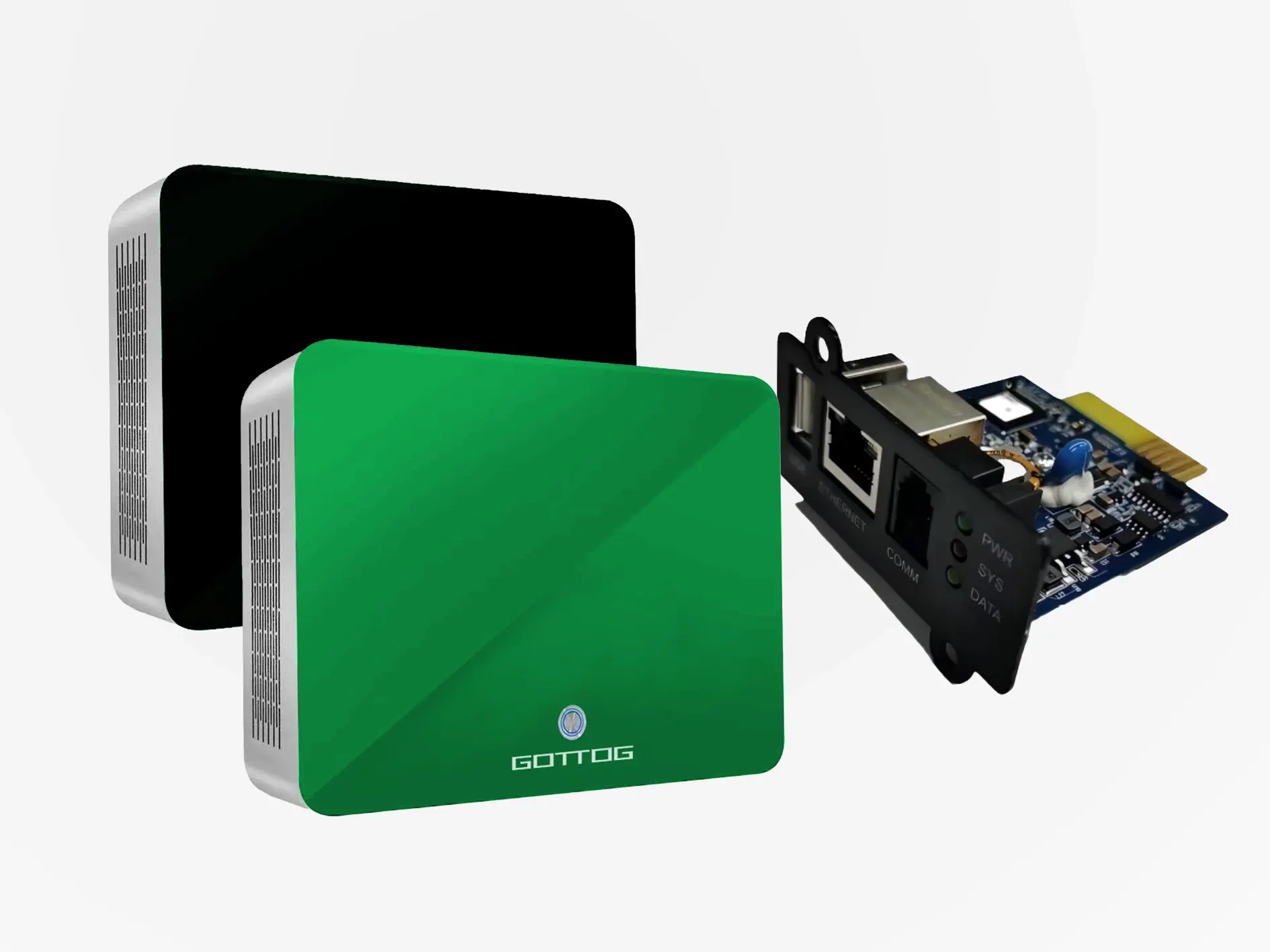
UPS systems require regular maintenance to ensure optimal performance. Many modern high-power UPS systems come with remote monitoring capabilities, allowing data center operators to monitor system performance in real time. Preventive maintenance programs can also help detect potential issues before they lead to system failures, ensuring that the UPS continues to operate smoothly and reliably.
Conclusion: The Role of High-Power UPS in Data Center Reliability
High-power UPS systems are a fundamental component of data center infrastructure, ensuring that operations continue without disruption even during power outages. Whether opting for a centralized, distributed, or modular UPS system, it is essential to select a system that meets the specific needs of the data center. Proper capacity planning, battery selection, and maintenance are critical to ensuring that the UPS system performs efficiently and reliably. With the growing demand for data and cloud services, investing in a robust high-power UPS system is essential for ensuring data center uptime and protecting the critical infrastructure that supports the digital economy.
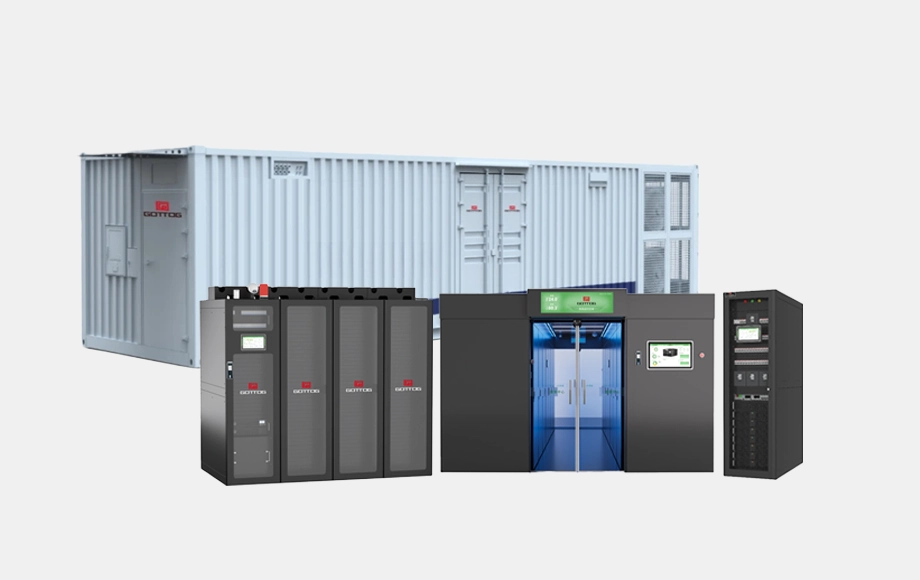
If you are planning to upgrade or deploy a high-power UPS system for your data center, choosing the right partner is just as important as choosing the right technology. GOTTOGPOWER provides advanced modular UPS solutions, designed to meet the demands of modern data centers. Our solutions combine high efficiency, intelligent monitoring, and reliable redundancy to ensure maximum uptime and long-term performance.
Explore more about GOTTOGPOWER’s high-power modular UPS solutions or contact our team to find the right configuration for your project.