



As industries around the world continue to push for greater energy efficiency and sustainability, traditional power solutions are being reevaluated. Uninterruptible Power Supplies (UPS) systems, critical for safeguarding data centers and critical infrastructure, are no exception. One of the most significant shifts in UPS technology is the rise of sodium-ion batteries as a viable alternative to conventional lithium-ion batteries. This emerging technology is not only more sustainable but also offers a range of benefits that could change the future of power protection systems.
Why Sodium-Ion Batteries Are Gaining Traction in UPS Systems
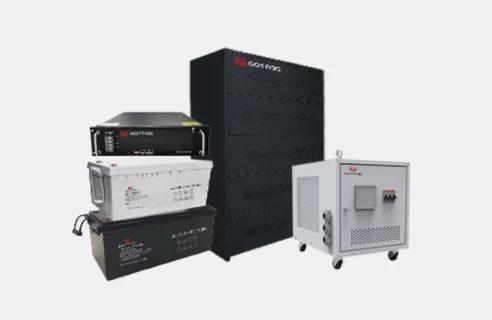
Sodium-ion batteries have long been seen as a promising alternative to lithium-ion batteries, and with recent advances, they are now poised to revolutionize the UPS industry. Here’s why sodium-ion technology is making waves in the world of UPS systems:
- Abundant and Affordable Materials
One of the primary advantages of sodium-ion batteries is the abundance of raw materials. Unlike lithium, which is a relatively scarce resource, sodium is widely available, particularly from seawater, making it far more cost-effective. This translates into lower battery costs for UPS systems, which can significantly reduce overall operational expenses. - Improved Sustainability
Sustainability is a growing priority in every industry, and the UPS sector is no different. Sodium-ion batteries have a much smaller environmental footprint compared to lithium-ion batteries. They are less dependent on scarce resources and are easier to recycle, contributing to a more sustainable and circular economy. - Better Performance in High Temperatures
Sodium-ion batteries perform better in high-temperature environments, making them an ideal choice for industrial applications and data centers. Traditional lithium-ion batteries can degrade faster when exposed to heat, reducing their lifespan and efficiency. Sodium-ion batteries, on the other hand, have a higher thermal stability, allowing them to maintain optimal performance in environments where temperature fluctuations are common. - Longer Cycle Life
Sodium-ion batteries typically offer a longer cycle life compared to their lithium-ion counterparts. This means that the battery will last longer, providing greater reliability and reducing the frequency of replacements. For UPS systems, this can translate into significant cost savings over time, particularly in environments where the UPS must operate continuously. - Higher Energy Density at Lower Cost
While sodium-ion batteries generally have lower energy density compared to lithium-ion, they are still capable of providing sufficient power for most UPS applications, especially when it comes to medium to large-scale deployments. Moreover, the reduced cost of sodium-ion batteries makes them a more affordable solution for long-term power protection.

Sodium-Ion Batteries in UPS Systems: Key Benefits for Data Centers
As data centers become more critical to the global economy, maintaining reliable power protection is more important than ever. The integration of sodium-ion batteries into UPS systems offers several key benefits:
- Mayor confiabilidad
Data centers cannot afford to experience downtime. Sodium-ion batteries enhance the reliability of UPS systems by offering a longer lifespan, better temperature tolerance, and improved stability. With these batteries in place, data centers can be confident that their power backup will remain functional, even under extreme conditions. - Escalabilidad y flexibilidad
As the need for data storage and processing power grows, so does the demand for more robust and scalable power solutions. Sodium-ion batteries, due to their lower cost and greater longevity, provide data centers with the flexibility to scale their power backup systems to meet future needs, all while keeping costs down. - Energy Efficiency and Sustainability
Data centers are notorious for their high energy consumption, but the shift toward more sustainable power solutions is gaining momentum. By incorporating sodium-ion batteries into their UPS systems, data centers can significantly reduce their carbon footprint. Sodium-ion batteries are more environmentally friendly than lithium-ion alternatives, and their lower production costs can make green energy initiatives more affordable for businesses.
Challenges and Considerations
While sodium-ion batteries offer significant benefits, there are still some challenges that need to be addressed before they can fully replace lithium-ion batteries in UPS systems:
- Lower Energy Density
Sodium-ion batteries, while cost-effective and durable, have a lower energy density compared to lithium-ion batteries. This means they require more physical space to store the same amount of energy. In high-power applications, this can limit the efficiency of sodium-ion batteries. However, ongoing research is focused on improving their energy density. - Maturity of the Technology
Although sodium-ion technology has made significant strides, it is still not as widely adopted or commercially available as lithium-ion. There may be limitations in terms of battery size, configuration, and energy output in certain applications. As the technology matures and production scales up, these issues are likely to diminish. - Compatibility with Existing Systems
Transitioning to sodium-ion batteries in an existing UPS setup may require adjustments in infrastructure. Data centers and other industries with established UPS systems may need to upgrade their components or alter their power management strategies to fully integrate sodium-ion technology.
The Future of UPS Systems with Sodium-Ion Batteries
As sodium-ion battery technology continues to advance, it is likely to become a more common feature in UPS systems, particularly for applications where cost-efficiency, sustainability, and reliable performance are key considerations. As more businesses and industries push for greener, more sustainable operations, sodium-ion batteries offer a compelling solution for those seeking to minimize their environmental impact while ensuring reliable power protection.
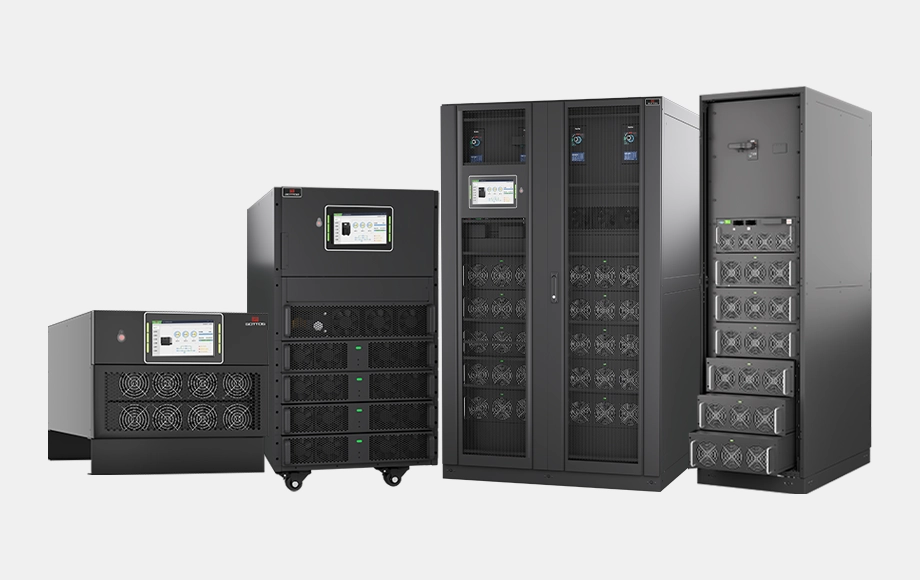
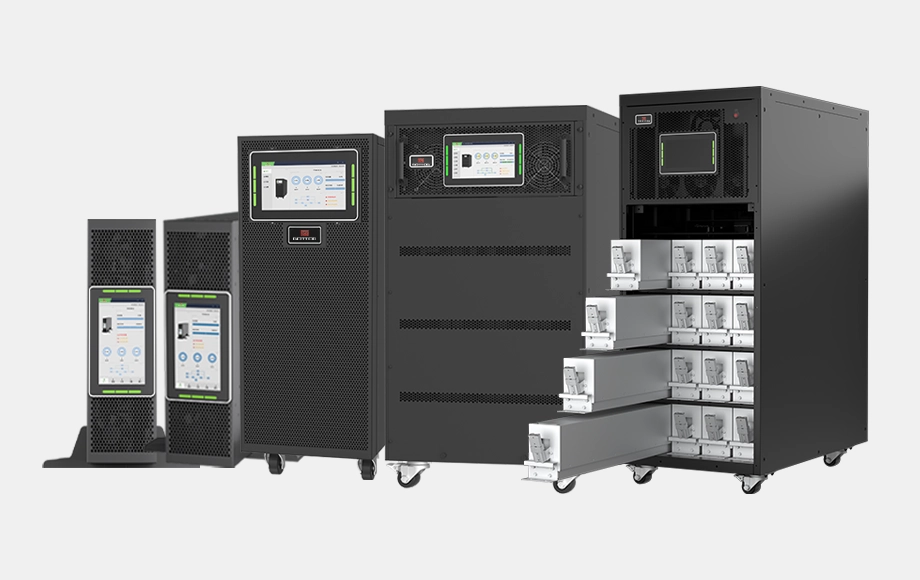
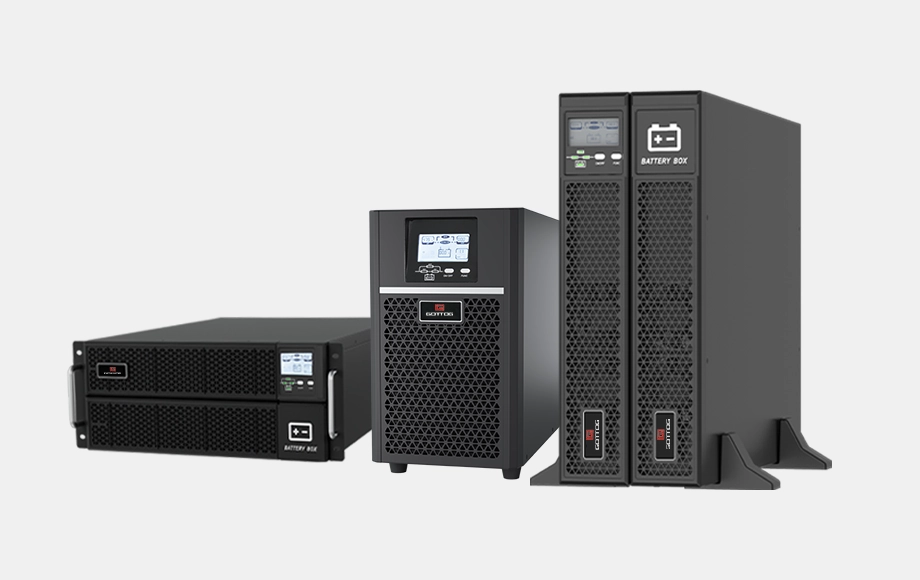
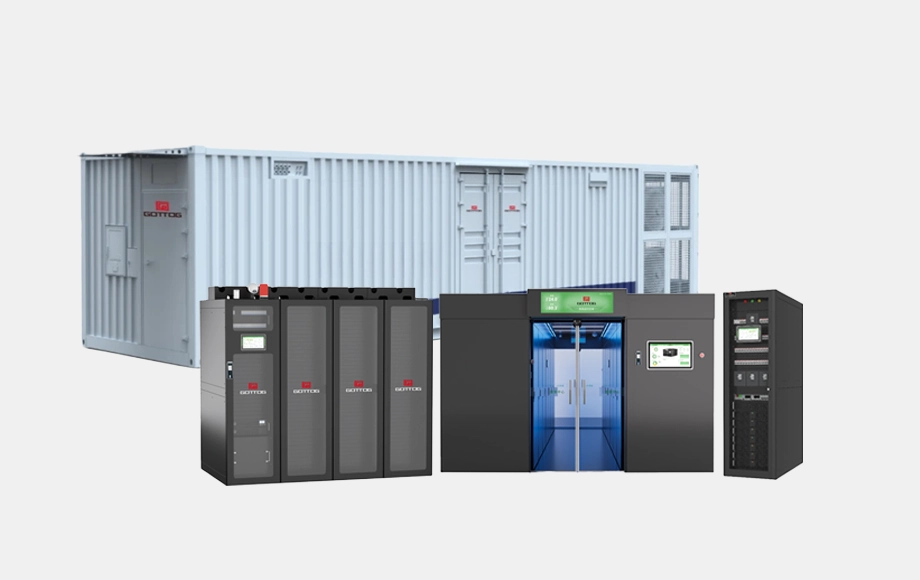
Tengo poder is already embracing this shift in energy storage solutions. Our GTM-10 Series UPS modulares en línea, designed with flexibility in mind, supports the integration of sodium-ion batteries, providing customers with an efficient, reliable, and sustainable power solution. By adopting sodium-ion battery technology, Gottogpower UPS systems can deliver uninterrupted power while also contributing to a greener future.
Conclusión
The rise of sodium-ion batteries presents an exciting opportunity for the UPS industry. As businesses and data centers increasingly prioritize sustainability and energy efficiency, sodium-ion batteries provide a cost-effective, reliable, and eco-friendly solution. The future of power protection lies in adopting cutting-edge technologies like sodium-ion batteries, and companies like Gottogpower are leading the way in providing these innovative solutions.
If you’re interested in exploring how sodium-ion batteries can enhance your UPS system or need help selecting the right solution for your needs, feel free to Contáctenos at info@gottogpower.com or via WhatsApp at +86 18326071160 for personalized recommendations. Our engineers are ready to help you make the best choice for your business.