



Introducción
AI computing infrastructure has pushed data center power density to new extremes. High-density GPU racks now exceed 80 kW per cabinet, and conventional valve-regulated lead-acid (VRLA) battery systems are struggling to keep pace. Lithium iron phosphate (LFP) batteries have become the leading alternative — but are they the right fit for every deployment? This article breaks down the key considerations for AI data centers and modular data center (MDC) environments.
Why Are VRLA Batteries Falling Short in AI Data Centers?
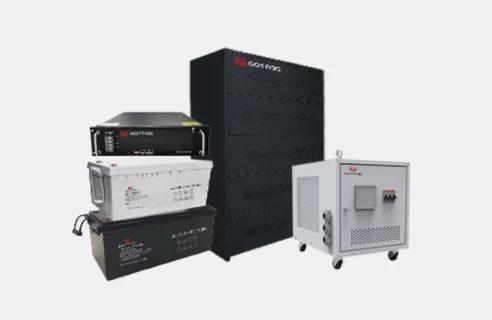
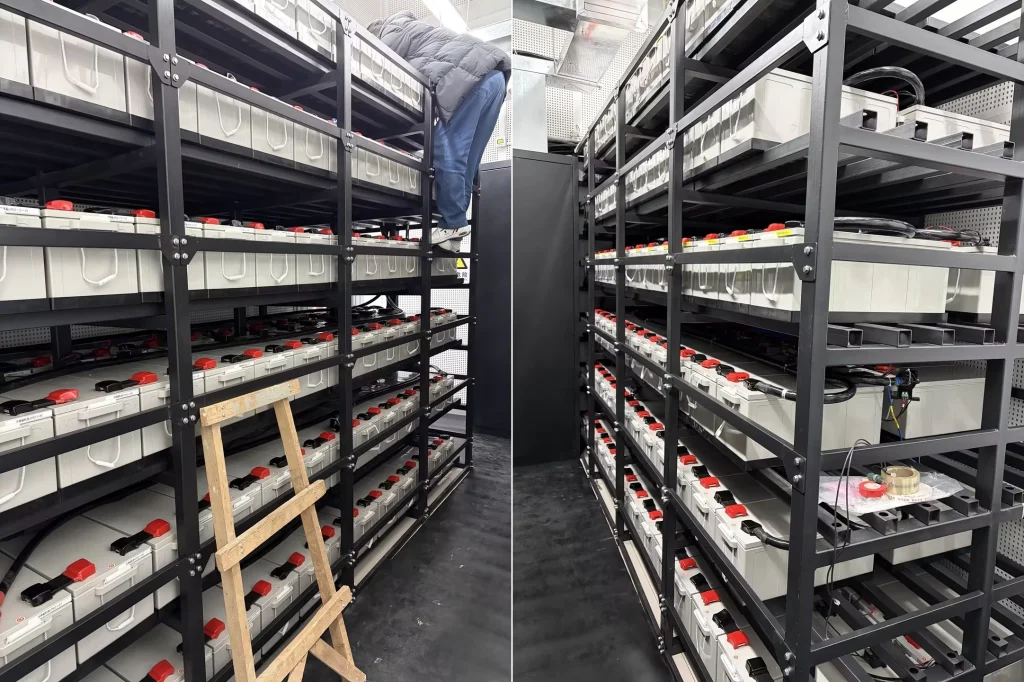
VRLA batteries face three core limitations in high-density AI environments. Their low energy density requires a large physical footprint — reducing usable floor space for IT equipment. Their sensitivity to elevated temperatures means service life drops significantly in heat-dense AI facilities, forcing more frequent replacements. And with only 300 to 500 full charge cycles over their lifetime, VRLA systems typically need full replacement every three to five years, driving up both capital and operational costs.
What Technical Advantages Do LFP Batteries Offer for Data Center UPS?
LFP batteries deliver volumetric energy density of 200 to 350 Wh/L — two to three times that of VRLA — cutting battery footprint by up to 65% for equivalent backup capacity. Their cycle life of 3,000 to 6,000 full cycles at 80% depth of discharge translates to 10 to 15 years of operational life, eliminating mid-project replacement cycles. Sub-millisecond discharge response protects AI training workloads from power interruptions that would force costly checkpoint restarts. LFP chemistry also maintains stable performance at higher ambient temperatures, making it well-suited to the thermal environment of dense GPU deployments. Over a 10-year horizon, facilities switching from VRLA to LFP typically report total cost of ownership reductions of 30% to 45%.
How Do Lithium Battery Systems Integrate with Modular Data Center Architecture?
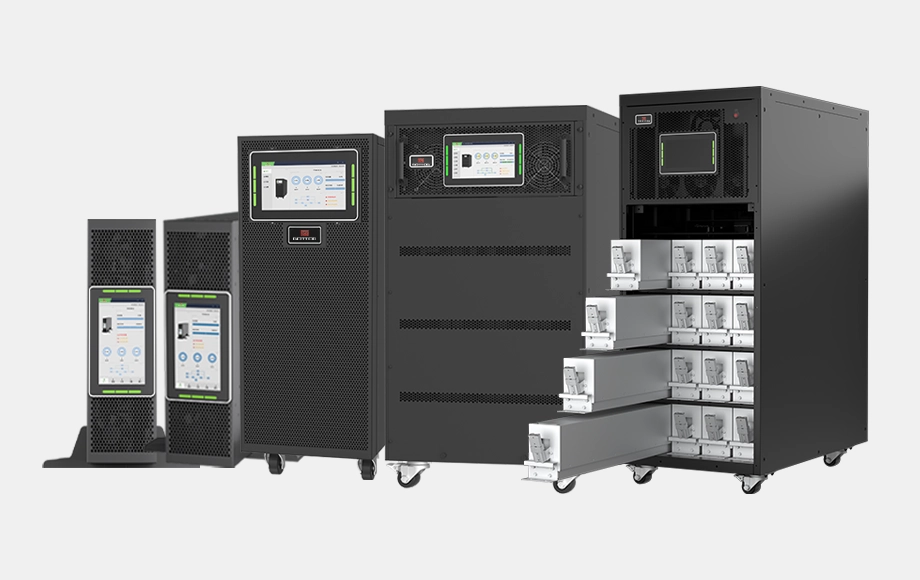
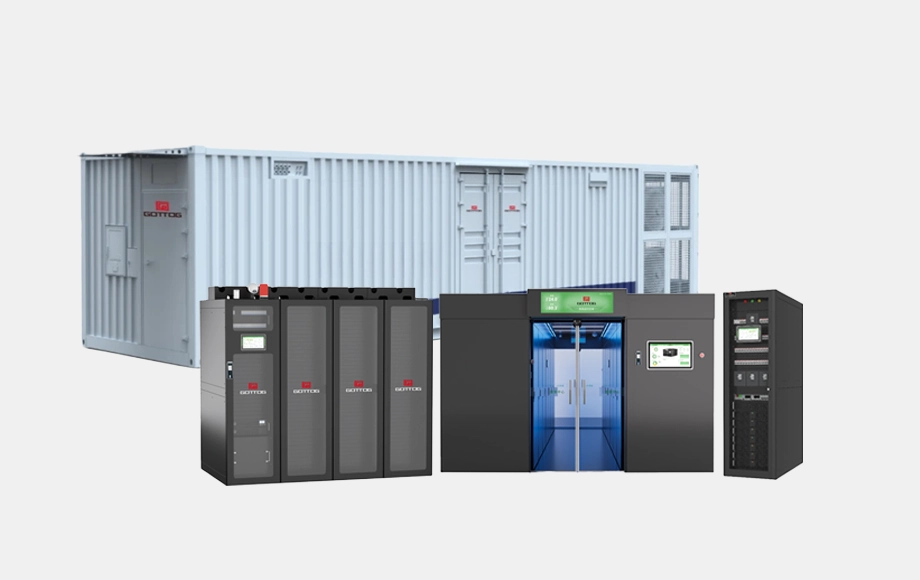
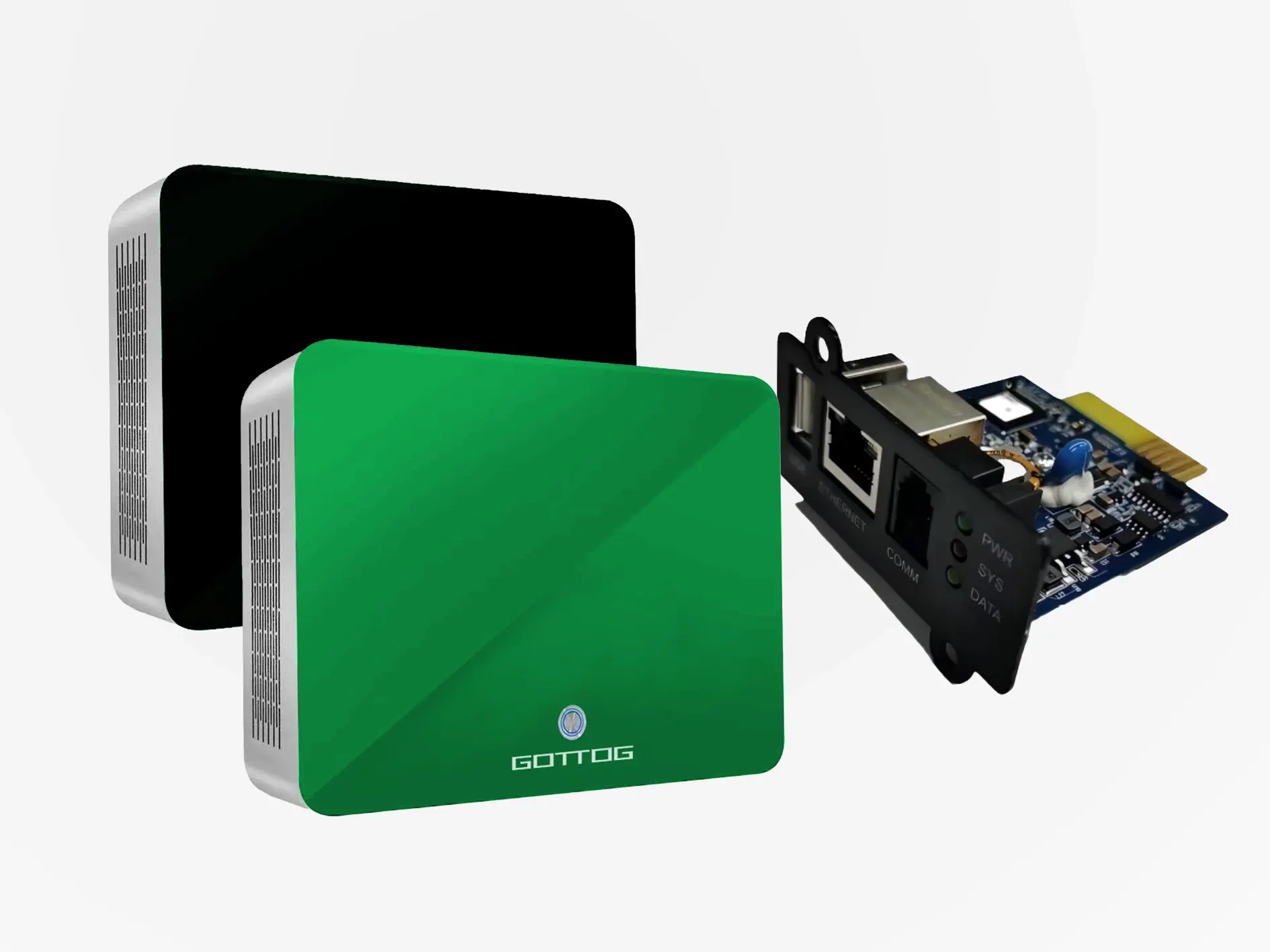
LFP battery modules are built for incremental scaling. Initial deployments can be sized to current load and expanded as GPU clusters grow, avoiding the over-provisioning typical of VRLA installations. Advanced battery management systems (BMS) expose real-time cell-level data — SOC, SOH, temperature, voltage — via Modbus, SNMP, and BACnet, enabling full integration with DCIM platforms for predictive maintenance. Leading vendors including Vertiv, Schneider Electric, Huawei Digital Power, and Kehua offer 19-inch rack-mount LFP modules that install directly into standard MDC cabinet infrastructure, eliminating the need for a dedicated battery room.
Which Deployments Should Prioritize LFP Battery Solutions?
New-build AI computing facilities and modular data center projects are the strongest candidates for LFP adoption, as they can optimize power architecture for lithium from the outset. Space-constrained environments — colocation facilities, edge AI deployments, campus data centers — also see outsized returns from LFP’s energy density advantage. For facilities with functioning VRLA systems, the recommended approach is to align the LFP transition with the next scheduled UPS refresh cycle, maximizing the return on existing infrastructure before switching.
The Bottom Line
LFP battery technology addresses the specific power infrastructure demands of AI data centers and modular deployments — on space efficiency, operational lifespan, response performance, and scalability. For organizations planning new AI facilities or approaching a UPS refresh cycle, standardizing on LFP now builds a power foundation capable of supporting AI workload growth over the next decade.