



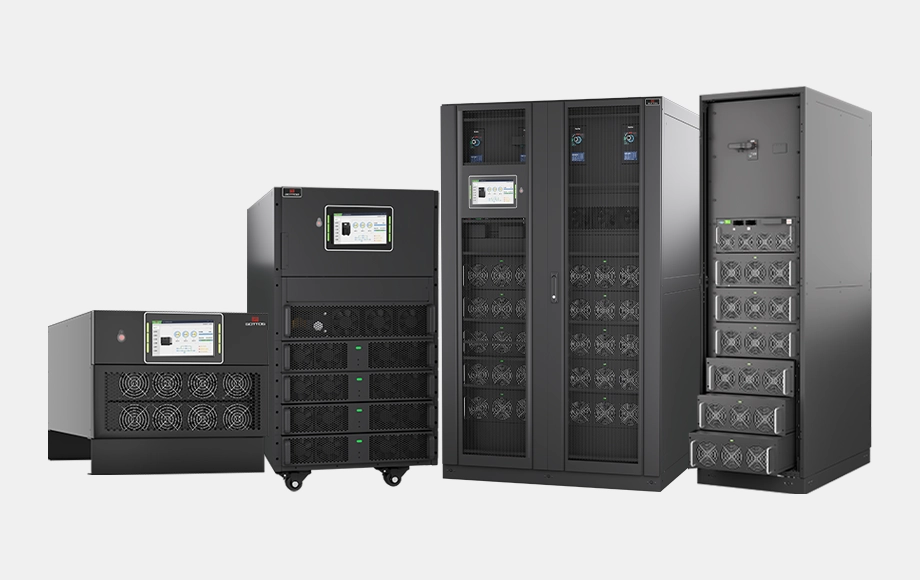
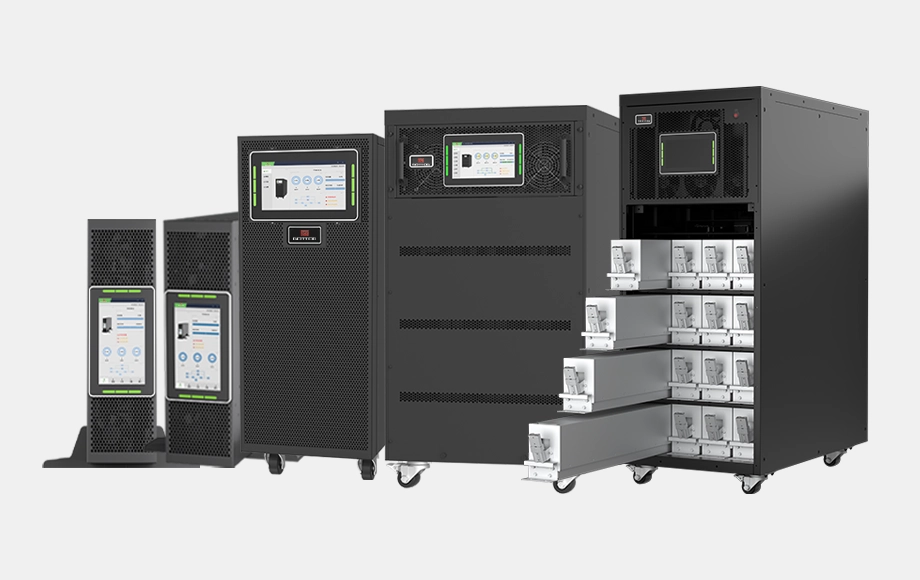
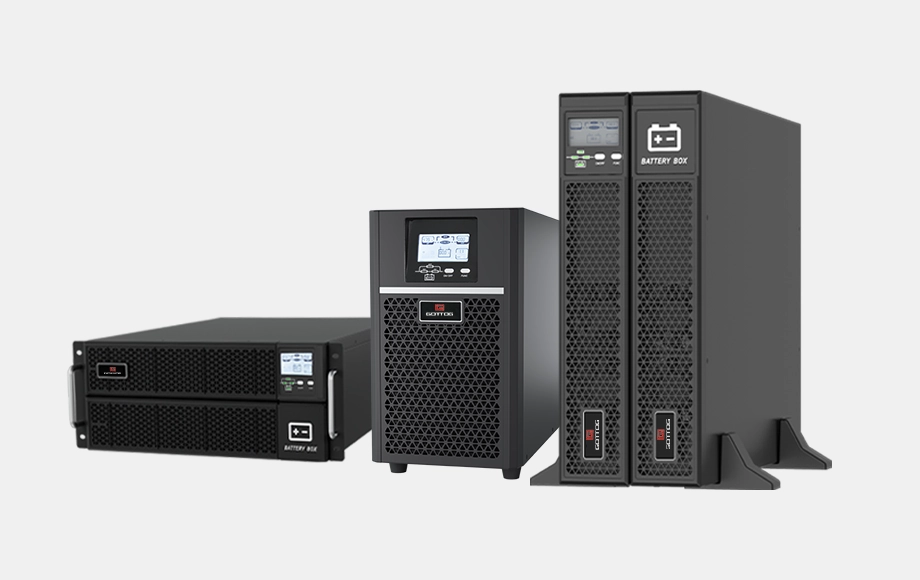
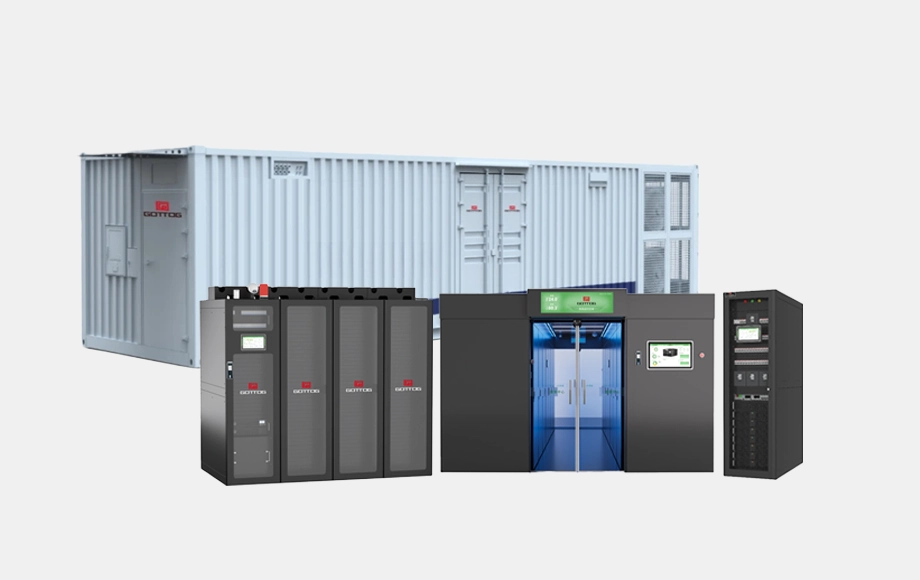
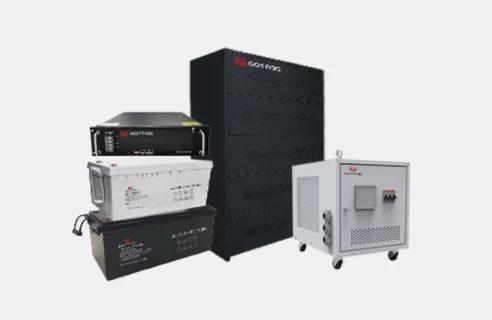
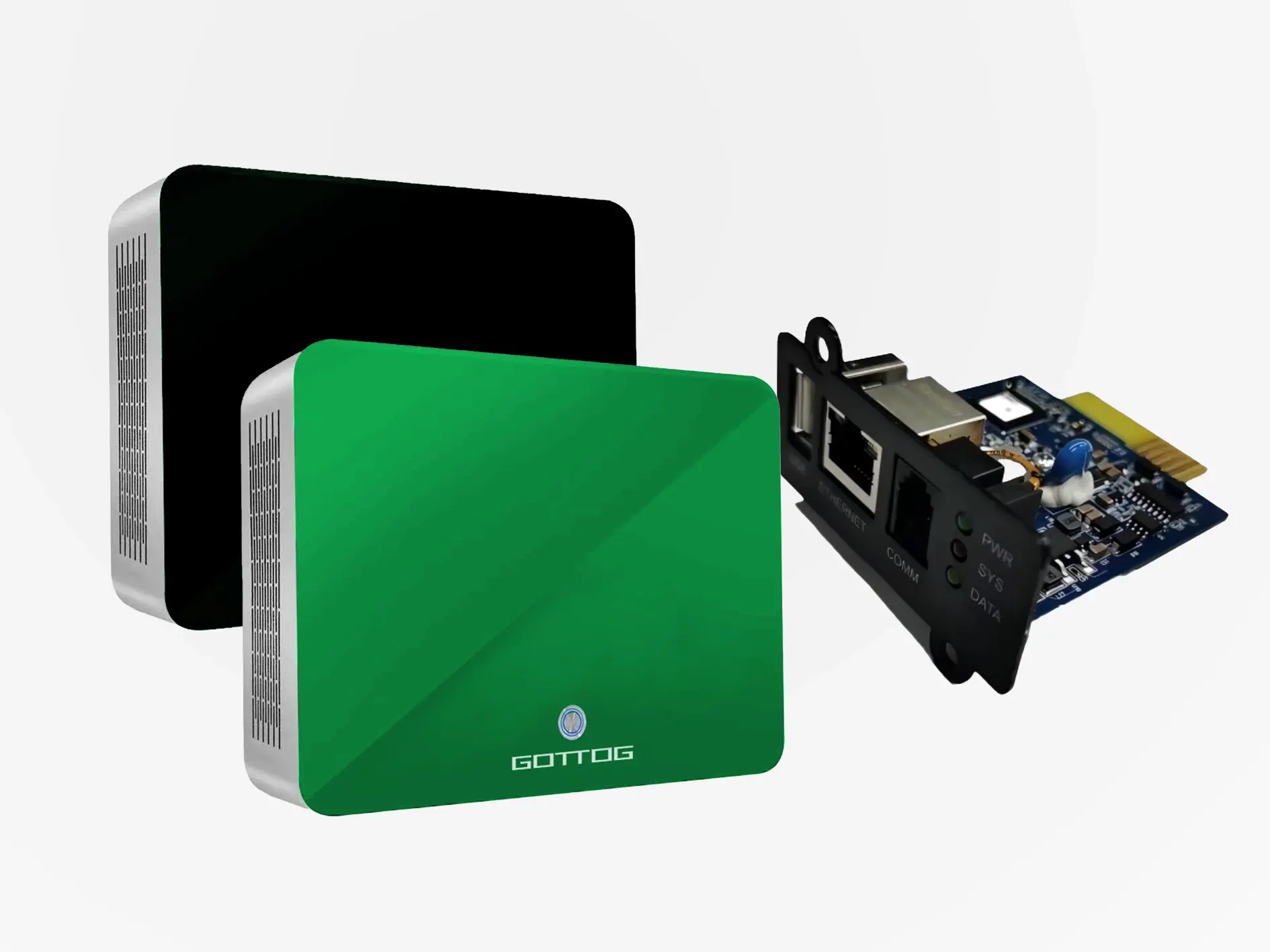
Tower UPS systems continue to play an important role in modern power protection strategies. While modular UPS architectures are widely adopted in hyperscale and AI data centers, tower-type UPS solutions remain highly relevant across a wide range of data center, industrial, and infrastructure scenarios.
Selecting the right UPS topology depends on load characteristics, scalability requirements, physical constraints, and long-term operational goals. In many cases, tower UPS systems provide a stable, efficient, and cost-effective solution.
Understanding Tower UPS Systems
A tower UPS is a standalone uninterruptible power supply, typically based on online double conversion technology. It is designed to deliver continuous, high-quality power to critical loads while isolating equipment from grid disturbances such as outages, voltage fluctuations, harmonics, and frequency instability.
Tower UPS systems are usually deployed as complete cabinets, integrating power electronics, control logic, and battery interfaces into a single unit. This integrated design simplifies installation and operation, making tower UPS systems suitable for projects with clear power requirements and limited infrastructure flexibility.

Data Center Scenarios Suitable for Tower UPS
- Small and Medium-Sized Data Centers
In enterprise data centers, regional colocation facilities, and private server rooms, IT loads are generally predictable and grow at a controlled pace. These environments prioritize power stability, straightforward deployment, and manageable investment costs.
Tower UPS systems meet these needs by providing reliable power protection without the complexity associated with large-scale modular systems. For facilities that do not require frequent capacity expansion, tower UPS solutions offer a balanced combination of reliability and efficiency.
- Edge Data Centers and Distributed IT Nodes
Edge data centers and distributed IT deployments often operate in locations with limited space and tight construction schedules. Power systems in these environments must be compact, fast to deploy, and easy to integrate with existing electrical infrastructure.
Tower UPS systems are well suited for edge applications, where localized power protection is required close to the load. Their standalone structure allows operators to build resilient power units without relying on centralized UPS rooms.
Industrial and Infrastructure Applications
- Industrial Control Rooms and Automation Systems
Manufacturing plants, energy facilities, and industrial process environments rely heavily on continuous power for automation platforms, monitoring systems, and control networks. Any power interruption can result in production losses, safety risks, or system instability.
Tower UPS systems are widely adopted in industrial settings due to their robustness, clear operational logic, and strong tolerance for complex power conditions. In higher-availability designs, multiple tower UPS units can be configured in parallel to achieve redundancy and load sharing.
- Transportation and Public Infrastructure
Transportation systems such as metro networks, rail control centers, and traffic management facilities depend on reliable communication and control infrastructure. Power continuity is essential to maintain safe and uninterrupted operation.
Tower UPS systems are commonly deployed in these environments because they can be customized to fit specific site conditions and integrated with AC power distribution and monitoring systems. Their flexibility makes them suitable for both central control rooms and distributed station-level deployments.
Tower UPS in Retrofit and Upgrade Projects
Many existing data centers and infrastructure facilities were built before modern modular UPS systems became mainstream. Structural limitations, electrical layouts, and space constraints often restrict the ability to deploy new power architectures.
Tower UPS systems provide a practical solution for retrofit projects. They can be installed as replacements for legacy equipment or added in parallel to improve capacity and reliability, often without major construction work or extended downtime.
Tower UPS vs Modular UPS: Practical Considerations
Tower UPS systems and modular UPS systems are designed for different operational priorities. Tower UPS solutions are most effective when load requirements are well defined, expansion expectations are limited, and simplicity is valued.
Modular UPS systems are typically better suited for rapidly growing data centers and AI computing environments where scalability and flexible capacity planning are critical. In contrast, tower UPS systems offer predictable performance and lower system complexity in stable operating environments.
خاتمة
Tower UPS systems remain a reliable and proven power protection solution across data centers, industrial facilities, and critical infrastructure projects. When applied in the right scenarios, they deliver long-term stability, operational efficiency, and strong investment value.
Choosing a tower UPS is not a compromise. It is a strategic decision based on real operational needs, physical constraints, and lifecycle considerations.
Gottogpower has delivered customized tower UPS solutions for data centers, transportation systems, and industrial facilities, including multiple sets of UPS systems, AC power distribution cabinets, and power network monitoring platforms. These solutions have been deployed across multiple major cities, with stable operation and positive customer feedback.
If you would like to learn more about these projects or discuss a tower UPS solution tailored to your application, feel free to contact the حصلت على القوة team for detailed case studies and technical consultation.