



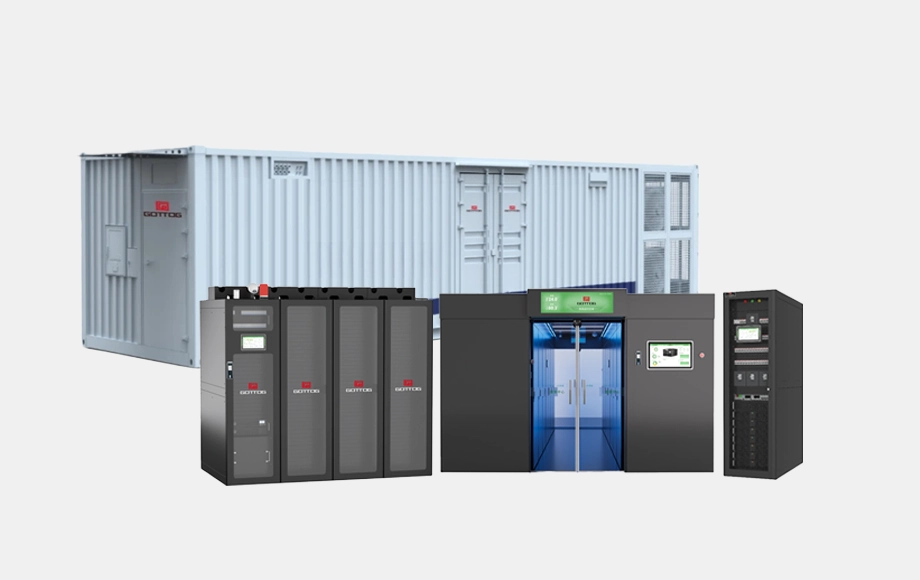
As data center demand continues to shift toward edge computing scenarios, more enterprises are rethinking how infrastructure should be deployed. Traditional data centers, while mature and reliable in terms of stability, are increasingly limited by long construction cycles, restricted scalability, and insufficient adaptability to complex environments. Against this backdrop, containerized prefabricated data centers are gradually evolving from a supplementary option into a preferred choice for many projects.
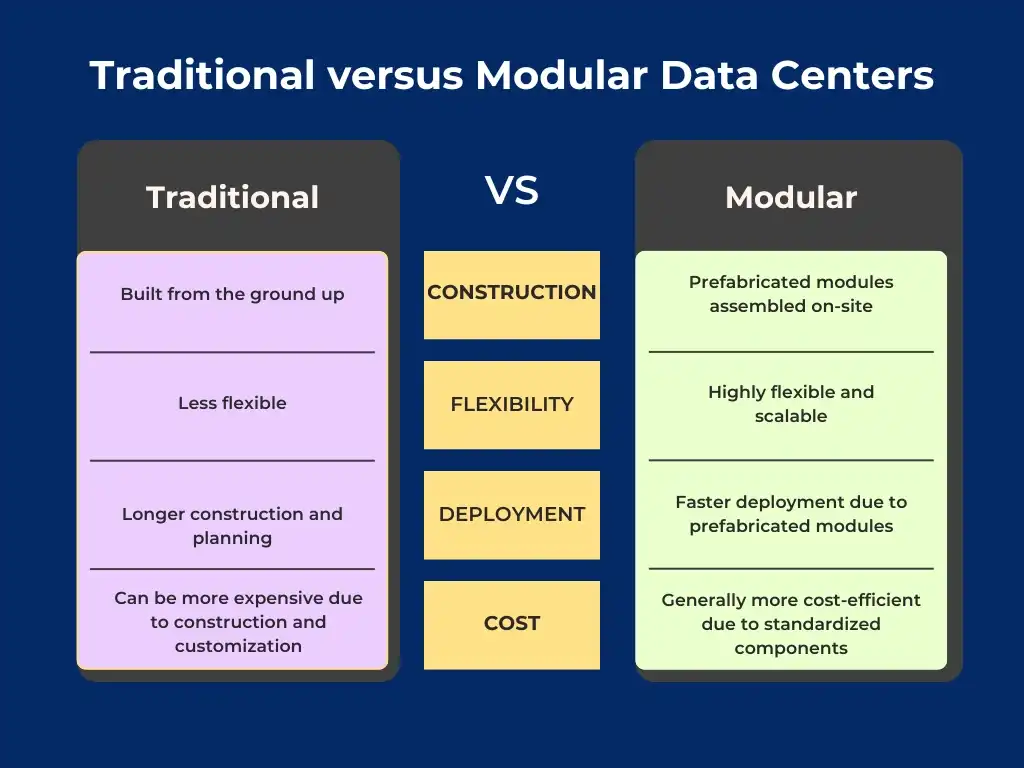
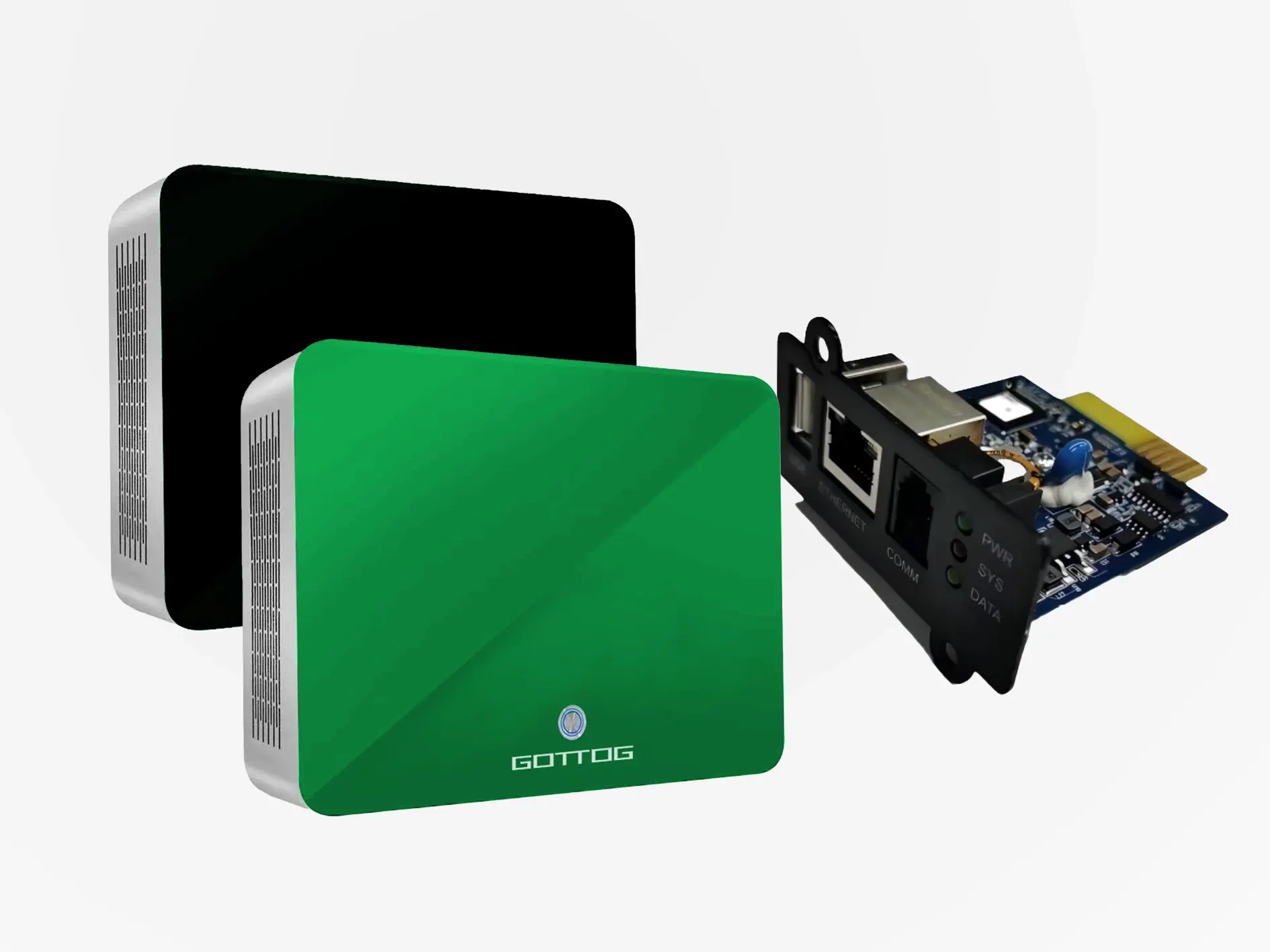
At its core, this type of solution is built on the principle of “front-loaded integration.” Instead of performing most construction work on-site, power distribution systems, cooling systems, IT racks, and monitoring systems are fully integrated and tested in a factory environment. Once delivered to the site, only basic connections are required before the system can be put into operation. This approach not only significantly shortens deployment time but also improves overall delivery predictability, making it particularly suitable for projects with strict time-to-market requirements.
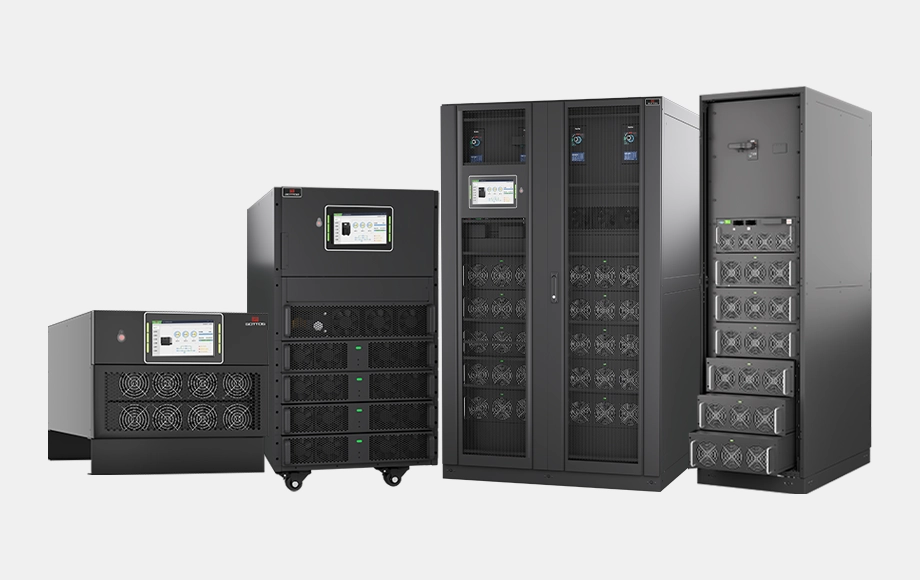
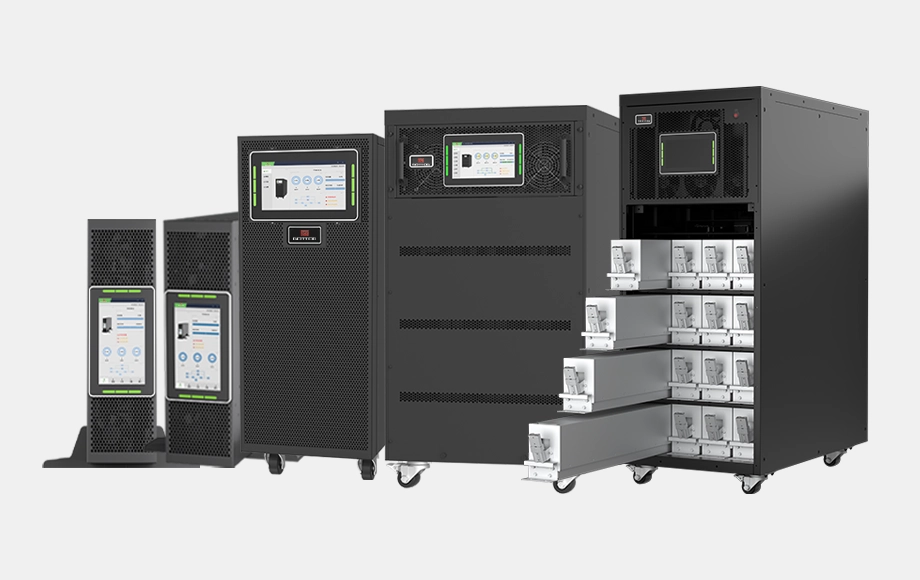
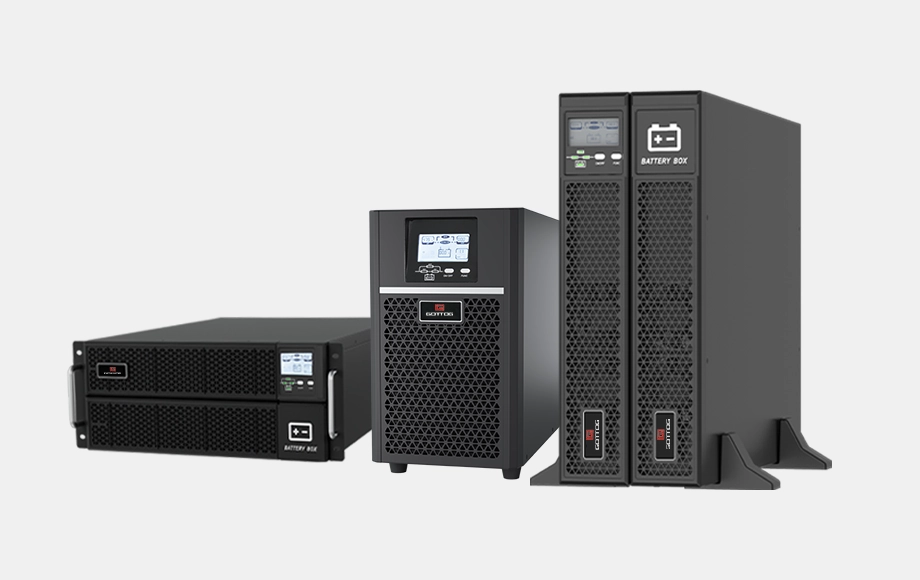
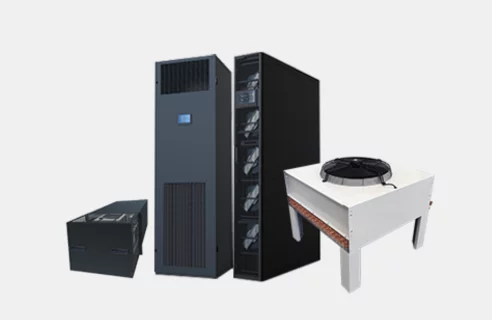
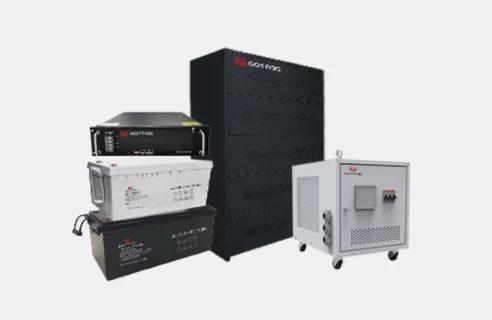
However, what truly determines the reliability of a containerized data center is not its external form, but the coordination between internal systems. In a relatively constrained space, the design of power and thermal management becomes especially critical. The UPS system must ensure stable output and redundancy within limited space, while the cooling system must be carefully engineered to optimize airflow and prevent localized overheating. In practice, systems that appear similar at the initial stage often diverge significantly over time in terms of stability and efficiency, which is largely driven by differences in engineering capability and system design quality.
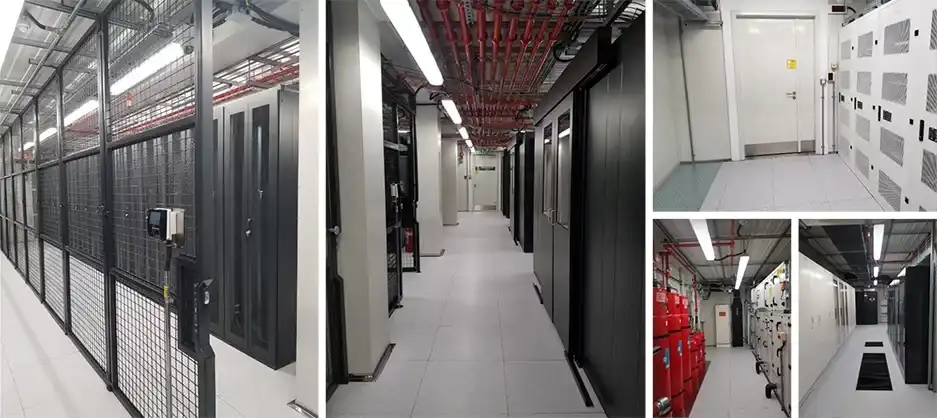
For this reason, an increasing number of users are shifting their focus from individual equipment specifications to overall solution evaluation during the selection process. Compared with standalone parameters, system integration capability, project experience, and solution adaptability have become far more important. A mature solution typically integrates power, cooling, and structural design from the earliest stage rather than assembling them later, which directly impacts long-term operational stability and maintenance efficiency.
From an application perspective, the use cases for containerized prefabricated data centers continue to expand. Whether in telecommunications network nodes, edge computing deployments, or data processing requirements in energy and industrial environments, this type of solution demonstrates strong adaptability. Its flexibility becomes particularly evident in scenarios requiring rapid deployment or phased capacity expansion.
Of course, no solution is universally optimal. The final choice always depends on specific project requirements. For large-scale projects with sufficient timelines, traditional data centers still hold strong value. However, when deployment speed, scalability, and environmental adaptability are key priorities, prefabricated solutions often become the more practical option. As a result, thorough comparison and careful alignment with business needs remain essential in the decision-making process.
From an industry perspective, as computing demand continues to grow and energy efficiency requirements become increasingly strict, containerized prefabricated data centers are evolving toward higher density, improved efficiency, and greater intelligence. In the future, solutions that can continuously enhance system integration, energy optimization, and operational management capabilities will gain a stronger competitive advantage.
If you are evaluating or planning a related project, it is worth exploring specialized providers in this field to gain more detailed solution insights and real-world project references as part of your decision-making process. In this context, حصلت على القوة provides containerized modular data center solutions designed to support fast deployment, system integration, and scalable infrastructure requirements.