



جدول المحتويات
في مراكز البيانات الحديثة، لم يعد نظام الطاقة غير المنقطعة (UPS) مجرد حل احتياطي، بل أصبح جزءًا أساسيًا من بنية الطاقة الشاملة التي تؤثر بشكل مباشر على التوافر وقابلية التوسع وتكلفة التشغيل على المدى الطويل.
ومع ذلك، فإن العديد من حالات انقطاع التيار الكهربائي في مراكز البيانات لا تحدث بسبب عيوب في أجهزة UPS، ولكن بسبب أخطاء في التصميم والتكوين تم ارتكابها أثناء مرحلة التخطيط.
مع تطور مراكز البيانات نحو كثافة طاقة أعلى، وأحمال عمل الذكاء الاصطناعي، والنشر المعياري، تزداد تكلفة هذه الأخطاء. لذا، يُعد فهم أخطاء تكوين أنظمة الإمداد بالطاقة غير المنقطعة (UPS) الأكثر شيوعًا أمرًا بالغ الأهمية لبناء استراتيجية فعّالة لأنظمة الإمداد بالطاقة غير المنقطعة في مراكز البيانات.
تخطيط سعة نظام UPS يعتمد فقط على الحمل الحالي
من أكثر الأخطاء شيوعاً في تصميم أنظمة الإمداد بالطاقة غير المنقطعة (UPS) في مراكز البيانات هو تحديد حجم النظام بناءً على الحمل الحالي لتكنولوجيا المعلومات فقط. في الواقع، تتوسع معظم مراكز البيانات على مراحل. تُضاف رفوف جديدة وخوادم ذات كثافة أعلى ومسرعات الذكاء الاصطناعي بمرور الوقت، وغالباً ما يكون ذلك بوتيرة أسرع من المتوقع.
عندما يتم تصميم نظام UPS بالقرب من أقصى سعته، تنخفض الكفاءة، وتتقلص هوامش التكرار، ويصبح التوسع المستقبلي معقدًا ومكلفًا.
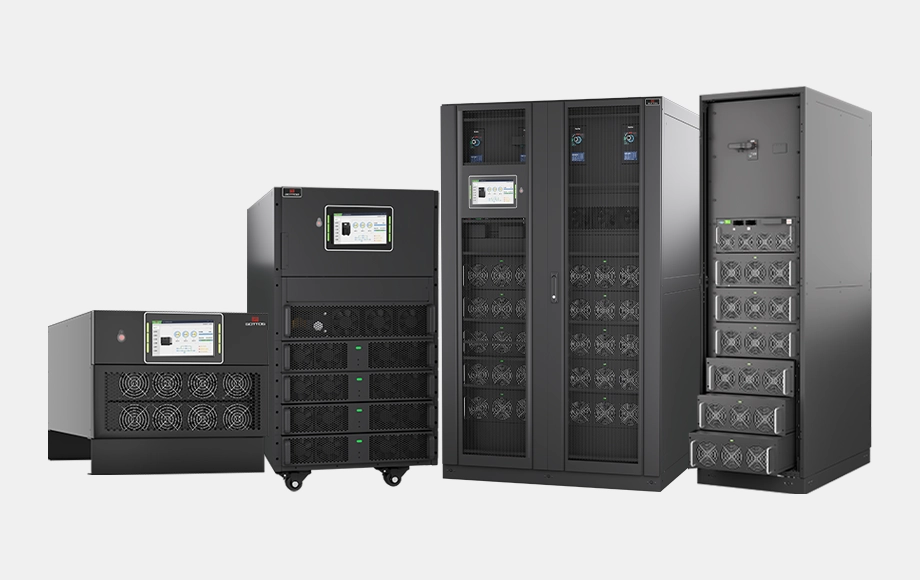
تسمح بنية UPS القابلة للتطوير، وخاصة أنظمة UPS المعيارية، بنمو السعة بما يتماشى مع طلب الأعمال مع الحفاظ على الكفاءة المثلى.
الاعتماد المفرط على بنية UPS المركزية
كانت أنظمة الطاقة غير المنقطعة المركزية التقليدية شائعة الاستخدام في مراكز البيانات من الجيل الأول. ورغم موثوقيتها، إلا أنها غالباً ما تُشكّل نقطة ضعف واحدة. فإذا تعطل نظام الطاقة غير المنقطعة المركزي، فقد يمتد تأثير ذلك ليشمل المنشأة بأكملها.
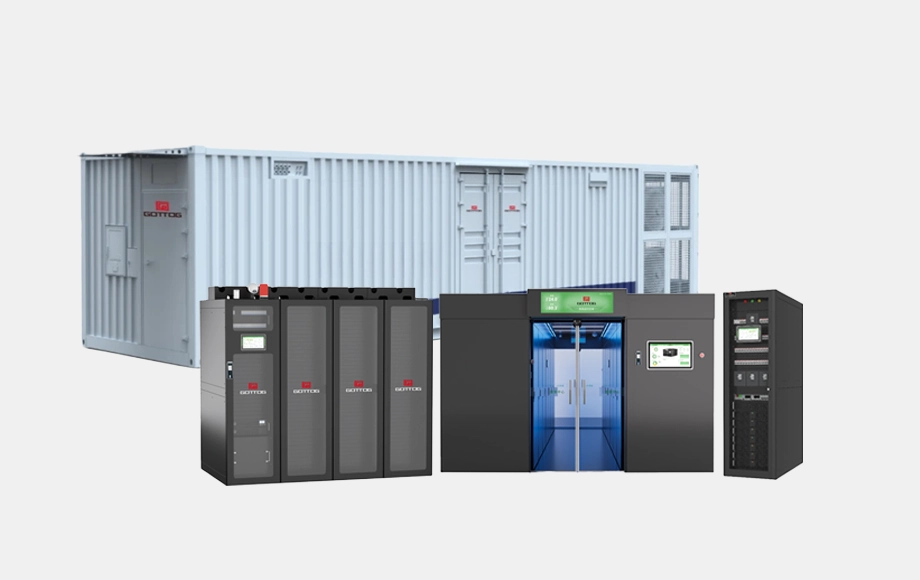
تعتمد مراكز البيانات الحديثة بشكل متزايد على تصميمات أنظمة الطاقة غير المنقطعة الموزعة أو المعيارية. ومن خلال تقسيم حماية الطاقة بالقرب من الحمل، يتم عزل المخاطر، وتصبح الصيانة أسهل، ويتحسن توافر النظام بشكل عام.
يُعد هذا النهج مهماً بشكل خاص لمراكز بيانات الذكاء الاصطناعي ومرافق الحافة حيث تكون متطلبات وقت التشغيل عالية للغاية.
تجاهل كفاءة وحدة الإمداد بالطاقة غير المنقطعة عند الحمل الجزئي
غالبًا ما تُقيّم كفاءة أنظمة الإمداد بالطاقة غير المنقطعة (UPS) عند التحميل الكامل، ولكن في عمليات مراكز البيانات الفعلية، تعمل هذه الأنظمة عادةً بنسبة تحميل تتراوح بين 30 و60 بالمئة. إذا كان أداء نظام UPS ضعيفًا في هذا النطاق، فإن فقد الطاقة على المدى الطويل وزيادة الطلب على التبريد سيزدادان بشكل ملحوظ.
تم تصميم حلول UPS المعيارية عالية الكفاءة للحفاظ على أداء قوي حتى في حالة الحمل الجزئي، مما يساهم بشكل مباشر في انخفاض مؤشر فعالية استخدام الطاقة (PUE) وتقليل نفقات التشغيل.
بالنسبة لمراكز البيانات الكبيرة، يمكن أن يترجم هذا الاختلاف إلى وفورات كبيرة في الطاقة على مدار دورة حياة النظام.
تم تصميم التكرار على الورق فقط
تدّعي العديد من مراكز البيانات استيفاء متطلبات التكرار N+1 أو 2N، ولكن في الواقع، قد يقتصر التكرار على مستوى وحدة الإمداد بالطاقة غير المنقطعة (UPS). إذا لم تكن مسارات الطاقة أو دوائر التجاوز أو التوزيع في اتجاه التيار متماثلة في مستوى التكرار، فقد يتسبب عطل واحد في توقف الخدمة.
يجب أن يكون التكرار الحقيقي شاملاً من البداية إلى النهاية، بحيث يغطي مدخلات المرافق ووحدات UPS وتوزيع الطاقة وأنظمة المراقبة.
إن حلول UPS المصممة بشكل صحيح لمراكز البيانات تتعامل مع التكرار كمفهوم على مستوى النظام بدلاً من كونه مجرد خانة اختيار.

التقليل من شأن تعقيد الصيانة والتوسعة
غالباً ما تُبنى قرارات تكوين أنظمة الطاقة غير المنقطعة (UPS) على تكلفة الشراء الأولية، بينما يُستهان بتكاليف الصيانة والتوسع على المدى الطويل. قد تتطلب أنظمة UPS التقليدية فترات توقف مُخططة أو إجراءات تجاوز معقدة للصيانة، وهو ما يتعارض مع طبيعة مراكز البيانات الحديثة التي تعمل باستمرار.
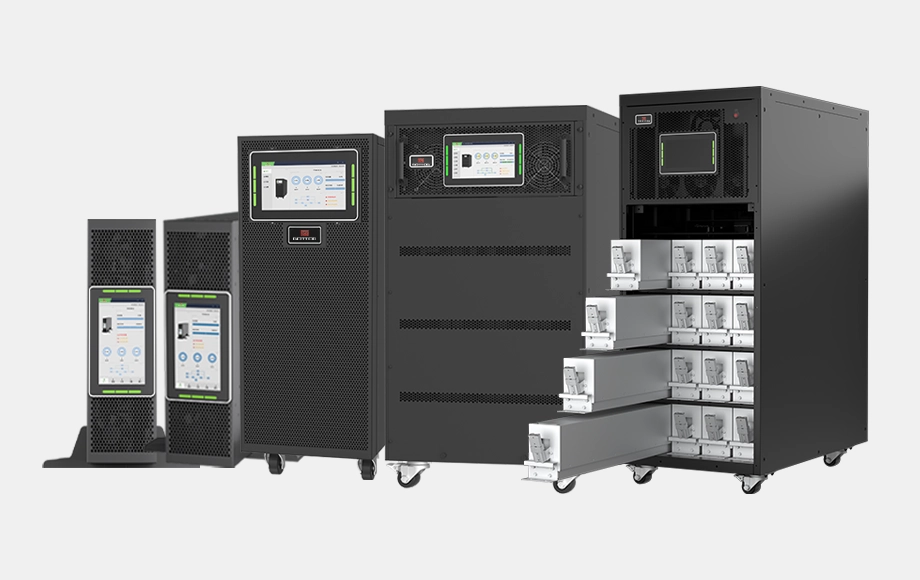
UPS وحدات تتيح هذه البنى إمكانية استبدال الوحدات أثناء التشغيل، والصيانة عبر الإنترنت، والتوسع التدريجي. وهذا يقلل بشكل كبير من المخاطر التشغيلية ويتماشى بشكل أفضل مع نماذج نمو مراكز البيانات.
عدم التكامل مع البنية التحتية العامة للطاقة
لا تعمل وحدة تزويد الطاقة غير المنقطعة (UPS) في مركز البيانات بمعزل عن غيرها. فضعف التنسيق مع المولدات ووحدات توزيع الطاقة ومنصات المراقبة قد يؤدي إلى مشاكل في التوافق، أو تشغيل غير فعال، أو أعطال غير متوقعة.
يأخذ تصميم نظام UPS الفعال في الاعتبار عامل القدرة، وأداء التوافقيات، وتوافق المولد، والمراقبة المركزية منذ البداية.
تعمل خطة الطاقة المتكاملة على تحسين الاستقرار وتبسيط العمليات طويلة الأجل.
منظور هندسي من مشاريع مراكز البيانات الحقيقية
في عمليات نشر مراكز البيانات في العالم الحقيقي، لا يتطلب تجنب هذه الأخطاء اختيار المعدات المناسبة فحسب، بل يتطلب أيضًا خبرة هندسية عملية.
حصلت على القوة شاركت في العديد من مشاريع مراكز البيانات والبنية التحتية الحيوية، حيث قدمت أنظمة UPS معيارية، وتوزيع طاقة مخصص، وحلول إدارة طاقة متكاملة مصممة خصيصًا لملفات تعريف الأحمال المختلفة واستراتيجيات التوسع.
يساعد هذا النهج القائم على المشاريع على ضمان تطور نظام UPS جنبًا إلى جنب مع مركز البيانات، بدلاً من أن يصبح عائقًا مع تغير المتطلبات.
خاتمة
نادراً ما تتسبب أخطاء تكوين نظام الطاقة غير المنقطعة (UPS) في مشاكل فورية، لكن تأثيرها يتزايد مع توسع مراكز البيانات، وزيادة الأحمال، وتزايد متطلبات استمرارية التشغيل. لا يقتصر نظام الطاقة غير المنقطعة المصمم جيداً لمركز البيانات على توفير الطاقة الاحتياطية فحسب، بل يشمل أيضاً قابلية التوسع، والكفاءة، وسهولة الصيانة، والموثوقية على المدى الطويل.
من خلال تجنب أخطاء التصميم الشائعة واعتماد بنى أنظمة الطاقة غير المنقطعة المرنة والوحداتية، يمكن لمشغلي مراكز البيانات بناء أساس طاقة يدعم النمو المستقبلي بثقة.