



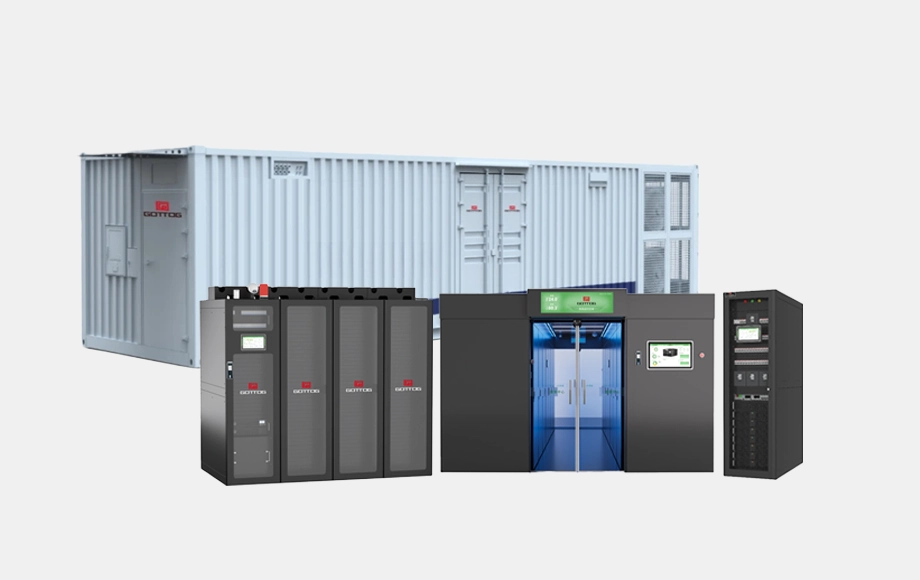
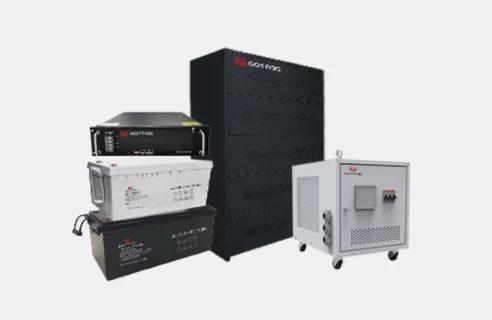
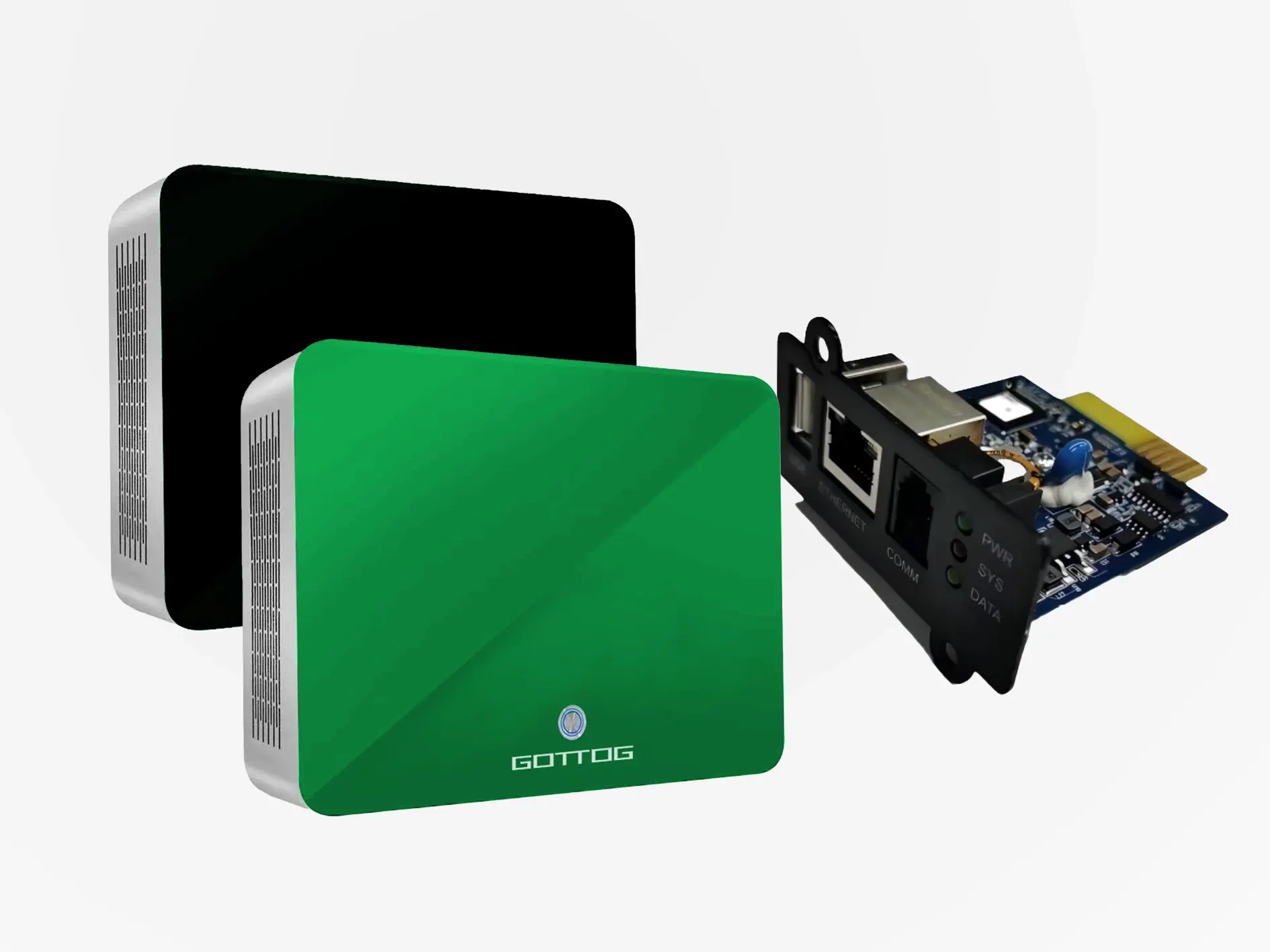
في عالم مراكز البيانات المتطور باستمرار، تُعدّ أنظمة الطاقة الاحتياطية الموثوقة ضرورةً حتمية. ومع ازدياد استخدام الحوسبة السحابية والذكاء الاصطناعي والبيانات الضخمة، لم يسبق أن كان الطلب على حلول طاقة عالية الأداء ومستمرة بهذا القدر. ولتلبية هذه الاحتياجات المتزايدة، تحتاج مراكز البيانات إلى أنظمة طاقة احتياطية قادرة على توفير حلول طاقة مستقرة وفعّالة وطويلة الأمد.
لطالما كانت تقنيات البطاريات أساسية في حلول الطاقة الاحتياطية هذه. تقليديًا، كانت بطاريات الرصاص الحمضية هي الخيار المفضل لـ مصدر الطاقة غير المنقطع أنظمة الطاقة غير المنقطعة (UPS). ومع ذلك، مع تقدم التكنولوجيا وتزايد الحاجة إلى أنظمة طاقة احتياطية أكثر كفاءة وموثوقية واستدامة، تظهر تقنيات أحدث مثل بطاريات الليثيوم أيون (Li-ion) و أيون الصوديوم تحتل بطاريات أيونات الصوديوم مكانة بارزة. في هذه المدونة، سنستكشف تطور تقنيات هذه البطاريات وكيف تُعيد تشكيل مشهد الطاقة الاحتياطية لمراكز البيانات الحديثة.
صعود بطاريات الليثيوم أيون في أنظمة الطاقة الاحتياطية لمراكز البيانات
أصبحت بطاريات الليثيوم أيون (Li-ion) التقنية السائدة في سوق أنظمة الطاقة غير المنقطعة (UPS) خلال السنوات الأخيرة. وقد أحدثت هذه البطاريات ثورة في أنظمة الطاقة الاحتياطية لمراكز البيانات بفضل أدائها المتميز، وعمرها الطويل، وكفاءتها العالية في استهلاك الطاقة.
1. عمر أطول
من أهم مزايا بطاريات الليثيوم أيون عمرها الطويل مقارنةً ببطاريات الرصاص الحمضية التقليدية. فبينما تدوم بطاريات الرصاص الحمضية عادةً من 3 إلى 5 سنوات، يمكن أن تدوم بطاريات الليثيوم أيون من 8 إلى 12 سنة، مما يقلل بشكل كبير من الحاجة إلى استبدالها بشكل متكرر. وهذا لا يقلل تكاليف الصيانة فحسب، بل يضمن أيضاً موثوقية طويلة الأمد لمراكز البيانات التي تعتمد على التشغيل المستمر.
2. كثافة طاقة أعلى
تتميز بطاريات الليثيوم أيون بكثافة طاقة أعلى، مما يعني قدرتها على تخزين طاقة أكبر في مساحة أصغر وأكثر إحكامًا. وهذا أمر بالغ الأهمية لمراكز البيانات، إذ يتيح حلولًا أكثر كفاءة في استخدام المساحة لتوفير الطاقة الاحتياطية، وهو أمر ضروري في المنشآت ذات المساحة المحدودة للبنية التحتية.
3. شحن أسرع وكفاءة أعلى
تتميز بطاريات الليثيوم أيون بسرعة شحنها مقارنةً بتقنيات البطاريات التقليدية، إذ يُمكن إعادة شحنها في غضون ساعات قليلة، على عكس بطاريات الرصاص الحمضية التي تستغرق وقتًا أطول بكثير لإعادة شحنها بالكامل. وهذا يُتيح لأنظمة الطاقة غير المنقطعة (UPS) التي تعمل ببطاريات الليثيوم أيون استئناف دورها الوقائي بسرعة، مما يضمن عدم انقطاع عمليات مراكز البيانات بسبب انقطاعات التيار الكهربائي المطولة.
4. تحسين إدارة الحرارة
من المزايا الهامة الأخرى لبطاريات الليثيوم أيون نظامها الحراري المتفوق. فهي تولد حرارة أقل أثناء التشغيل مقارنةً ببطاريات الرصاص الحمضية، مما يعني الحاجة إلى تبريد أقل. وهذا بدوره يقلل من استهلاك الطاقة الإجمالي، ويجعل بطاريات الليثيوم أيون خيارًا أكثر استدامة لمراكز البيانات التي تسعى إلى تقليل أثرها البيئي.

بطاريات أيونات الصوديوم: منافس جديد في مجال الطاقة الاحتياطية لمراكز البيانات
رغم هيمنة بطاريات الليثيوم أيون حاليًا على سوق أنظمة الطاقة غير المنقطعة (UPS)، تبرز بطاريات الصوديوم أيون كبديل واعد لتوفير الطاقة الاحتياطية لمراكز البيانات. تعمل أنظمة الطاقة غير المنقطعة التي تعمل ببطاريات الصوديوم أيون وفق مبادئ مشابهة لتلك التي تعمل ببطاريات الليثيوم أيون، ولكنها تستخدم أيونات الصوديوم بدلًا من أيونات الليثيوم، مما يوفر العديد من المزايا المحتملة.
1. فعالية التكلفة
من أهم مزايا بطاريات أيونات الصوديوم فعاليتها من حيث التكلفة. فالصوديوم أكثر وفرة وأقل تكلفة من الليثيوم، مما يجعل بطاريات أيونات الصوديوم خيارًا أكثر جدوى لتطبيقات مراكز البيانات واسعة النطاق. ومع تزايد الطلب على تخزين الطاقة، قد يُسهم انخفاض تكلفة بطاريات أيونات الصوديوم في جعلها حلاً أكثر سهولة لمراكز البيانات التي تسعى إلى خفض تكاليف التشغيل.
2. الاستدامة البيئية
تُبشّر بطاريات أيونات الصوديوم بمستقبل واعد من حيث الاستدامة البيئية. فعلى عكس بطاريات أيونات الليثيوم التي تتطلب معادن أرضية نادرة، يُمكن تصنيع بطاريات أيونات الصوديوم باستخدام مواد وفيرة وغير سامة. وهذا ما يجعلها خيارًا أكثر ملاءمة للبيئة، بما يتماشى مع الطلب المتزايد على حلول الطاقة النظيفة والمستدامة في قطاعي التكنولوجيا ومراكز البيانات.
3. أداء عالٍ في درجات الحرارة القصوى
تتمتع بطاريات أيونات الصوديوم بقدرة عالية على الأداء في درجات الحرارة القصوى. فبينما تتأثر بطاريات أيونات الليثيوم سلبًا بارتفاع درجات الحرارة وتتدهور بشكل أسرع في مثل هذه الظروف، تحافظ بطاريات أيونات الصوديوم على أداء مستقر حتى في البيئات القاسية. وهذا ما يجعلها خيارًا مثاليًا للاستخدام في مراكز البيانات الواقعة في مناطق ذات مناخ متقلب أو قاسٍ.
4. مستقبل بطاريات أيونات الصوديوم في مراكز البيانات
على الرغم من أن تقنية أيونات الصوديوم لا تزال في مراحلها الأولى مقارنةً بتقنية أيونات الليثيوم، إلا أنها تحمل في طياتها آفاقاً واعدة لمستقبل تخزين الطاقة. ومع استمرار تطور هذه التقنية، من المرجح أن تصبح بطاريات أيونات الصوديوم جزءاً أساسياً من حلول الطاقة في مراكز البيانات، مقدمةً بديلاً يوازن بين التكلفة والاستدامة والأداء.
لماذا تتجه مراكز البيانات نحو تقنيات البطاريات المتقدمة؟
يعود التحول من بطاريات الرصاص الحمضية التقليدية إلى تقنيات أيونات الليثيوم وأيونات الصوديوم في مراكز البيانات إلى عدة عوامل رئيسية:

1. تزايد الطلب على وقت التشغيل والموثوقية
مع استمرار مراكز البيانات في دعم تطبيقات بالغة التعقيد مثل الخدمات السحابية والذكاء الاصطناعي وتحليلات البيانات الضخمة، يتزايد الطلب على طاقة موثوقة ومستمرة. توفر بطاريات الليثيوم أيون والصوديوم أيون كفاءة أعلى، وشحنًا أسرع، وعمرًا أطول مقارنةً ببطاريات الرصاص الحمضية التقليدية، مما يضمن استمرارية عمل مراكز البيانات دون انقطاع.
2. كفاءة الطاقة والاستدامة
تُعدّ مراكز البيانات من أكبر مستهلكي الكهرباء على مستوى العالم، ويمكن أن يكون لعملياتها تأثير كبير على البيئة. من خلال التحوّل إلى بطاريات الليثيوم أيون أو الصوديوم أيون، تستطيع مراكز البيانات تقليل انبعاثاتها الكربونية وتحسين كفاءة الطاقة. تُعتبر هذه التقنيات المتطورة للبطاريات أكثر صداقةً للبيئة من سابقاتها، وتُعدّ بطاريات الصوديوم أيون جذابةً بشكل خاص نظرًا لاستخدامها مواد وفيرة وغير سامة.
3. اعتبارات التكلفة
على الرغم من أن بطاريات الليثيوم أيون تميل إلى أن تكون ذات تكلفة أولية أعلى، إلا أن عمرها الأطول وكثافة طاقتها العالية ومتطلبات صيانتها المنخفضة تُترجم إلى انخفاض إجمالي تكلفة الملكية على المدى الطويل. وتُقدم بطاريات الصوديوم أيون بديلاً أكثر اقتصادية، مما يجعلها خيارًا جذابًا لمراكز البيانات التي تسعى إلى تحقيق التوازن بين الأداء والتكلفة.
الخلاصة: مستقبل تقنيات البطاريات في مراكز البيانات
يُساهم تطور تقنيات البطاريات في تشكيل مستقبل أنظمة الطاقة الاحتياطية لمراكز البيانات. ومع تزايد الطلب على حلول طاقة أكثر كفاءة وموثوقية واستدامة، تتصدر بطاريات الليثيوم أيون والصوديوم أيون المشهد. وبينما رسخت بطاريات الليثيوم أيون مكانتها كمعيار صناعي، تُبشر بطاريات الصوديوم أيون بمستقبل واعد كبديل اقتصادي وصديق للبيئة.
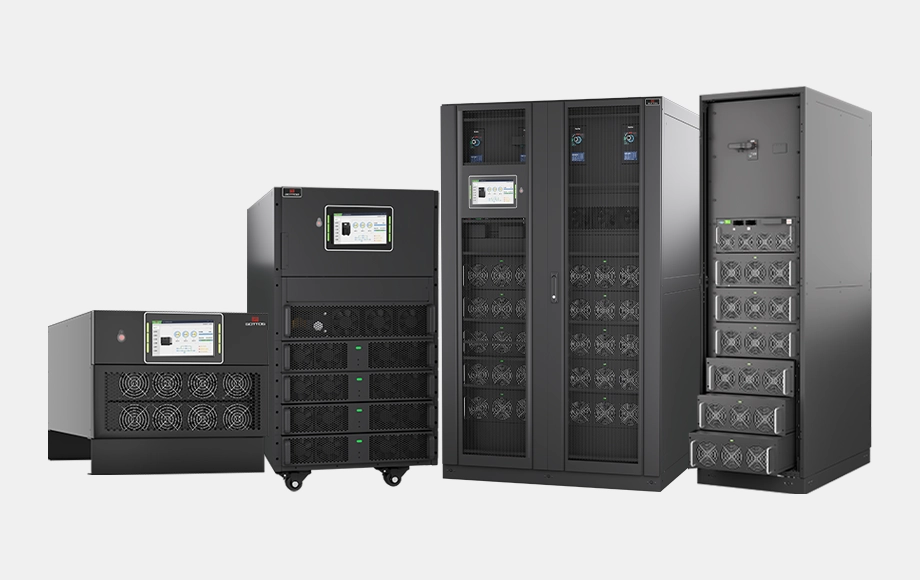
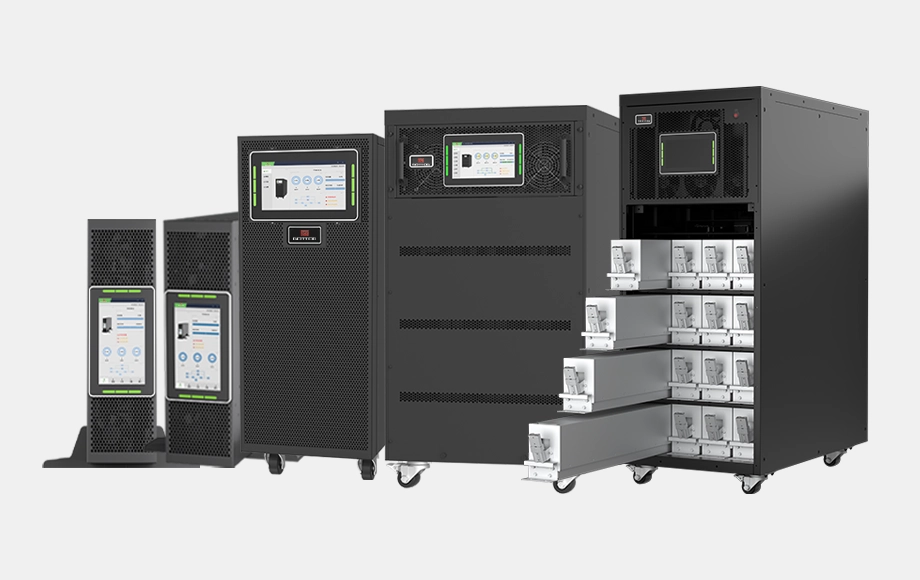
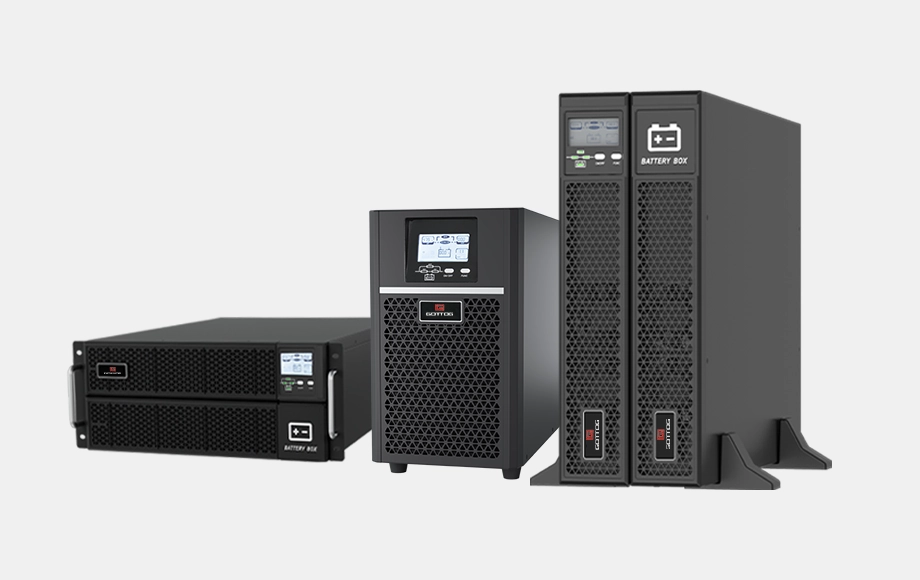
في حصلت على القوة, ندرك الأهمية البالغة لحلول الطاقة الموثوقة في قطاع مراكز البيانات. أنظمة UPS المتطورة لدينا متوافقة مع بطاريات الليثيوم أيون والصوديوم أيون، مما يوفر طاقة احتياطية مرنة وقابلة للتوسع وموفرة للطاقة لمراكز البيانات بجميع أحجامها.
اتصل بنا اليوم لمعرفة المزيد حول كيف يمكن لأنظمة UPS الخاصة بنا تلبية احتياجات الطاقة المتطورة لمركز البيانات الخاص بك وضمان عمليات سلسة وغير منقطعة.